No products in the cart.
Guide to Sri Lankan Seasonal Fruits and Vegetables | NunuFresh
Embracing the Bounty: Why Seasonal Eating Matters in Sri Lanka
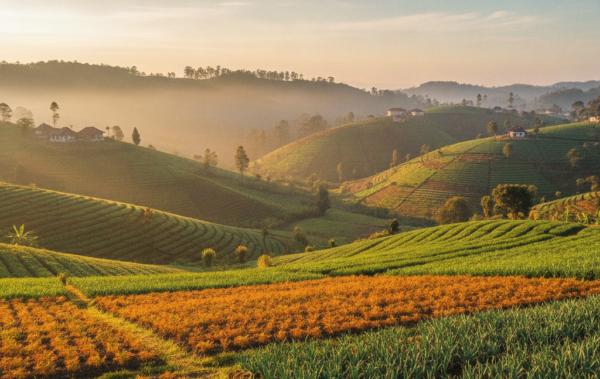
Sri Lanka, often referred to as the ‘Pearl of the Indian Ocean,’ is blessed with a diverse climate that allows for a staggering variety of produce. From the mist-covered mountains of Nuwara Eliya to the sun-drenched plains of the dry zone, our island is a year-round garden. However, as modern consumers, we often forget that nature has its own rhythm. Eating seasonally isn’t just a traditional practice; it is a way to ensure you are consuming food at its nutritional peak, supporting local farmers, and enjoying the most vibrant flavors possible.
When you choose seasonal produce, you are getting vegetables and fruits that haven’t been stored for months or transported across vast distances using heavy preservatives. For Sri Lankan families, returning to a seasonal diet means reconnecting with the land. Whether it is the crunch of a fresh carrot from the Nuwara Eliya hills or the honey-like sweetness of a Jaffna mango, seasonal eating is a celebration of our country’s agricultural heritage.
Understanding the Sri Lankan Agricultural Calendar: Yala and Maha
Agriculture in Sri Lanka is primarily governed by two main monsoon seasons, which dictate the planting and harvesting cycles of our staple crops. Understanding these seasons is the first step to becoming a savvy, healthy shopper.
The Maha Season (September to March)
The Maha season is the main cultivation period, powered by the North-East monsoon. This season brings significant rainfall to the dry zone and the eastern parts of the island. During this time, you will see an abundance of rice harvest and a variety of ‘low-country’ vegetables. It is also the time when many ‘up-country’ vegetables thrive due to the consistent water supply in the central highlands.
The Yala Season (May to August)
The Yala season coincides with the South-West monsoon. While it brings rain to the wet zone and the hill country, the dry zone remains relatively parched, leading to a different variety of crops. This period is famous for the ‘fruit season’ in Sri Lanka, where the markets are flooded with tropical delights like Rambutan and Mangosteen.
The Nuwara Eliya Advantage: Year-Round Freshness
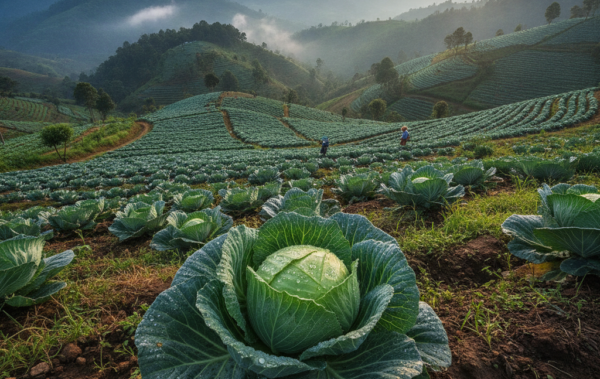
Nuwara Eliya, with its unique cool climate and high altitude, serves as the vegetable capital of Sri Lanka. Unlike the lowlands, the temperate conditions here allow for the cultivation of ‘Exotic’ or ‘Up-country’ vegetables that wouldn’t survive the tropical heat elsewhere. This is where NunuFresh sources its premium produce, ensuring that the crispness of the mountain air is delivered directly to your doorstep.
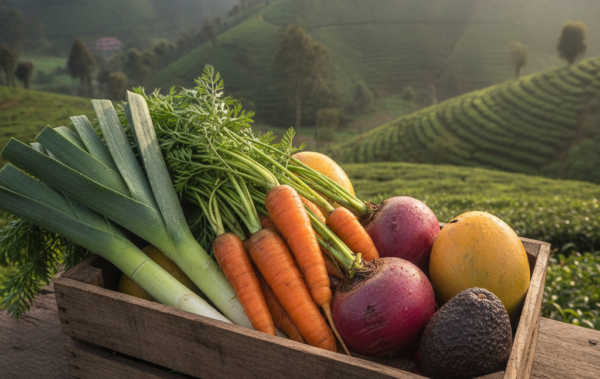
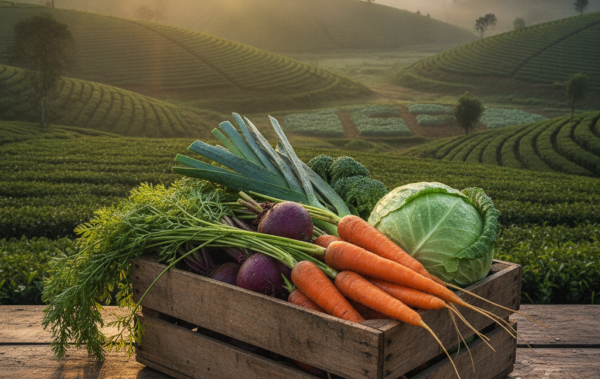
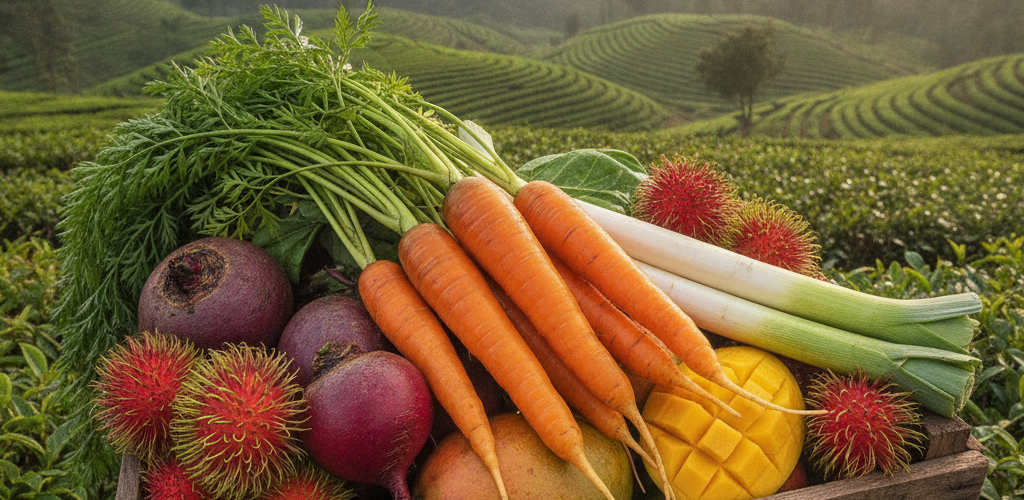
Vegetables such as Leeks, Carrots, Beetroot, and Cabbage are grown almost year-round in Nuwara Eliya, but they reach their peak quality during the cooler months. Organic farming practices are also seeing a resurgence in this region, as farmers realize the long-term benefits of soil health and chemical-free produce for the health of Sri Lankan consumers.
A Guide to Seasonal Vegetables in Sri Lanka
To help you plan your meals, here is a breakdown of when certain vegetables are at their best:
1. Up-Country Staples (Available Year-Round, Peak Dec-Feb)
- Carrots: Rich in beta-carotene and fiber. Look for firm, bright orange roots without cracks.
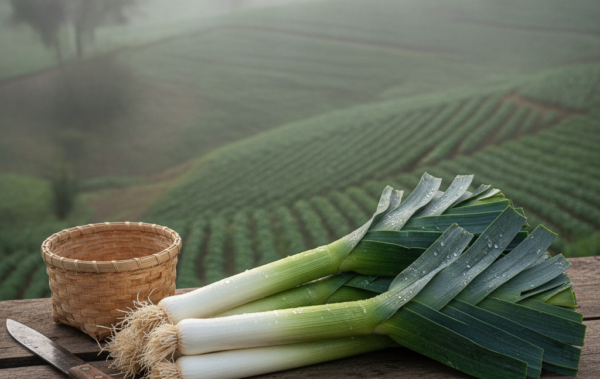
- Leeks: Essential for soups and Sri Lankan ‘devilled’ dishes. They are most tender during the rainy months.
- Beetroot: Known for its blood-purifying properties, Nuwara Eliya beets are prized for their deep earthy flavor and vibrant color.
- Broccoli and Cauliflower: These thrive in the mist of the highlands and are packed with antioxidants.
2. Low-Country Favorites
- Okra (Bandakka): Best from February to May. It is a fantastic source of folate and vitamin K.
- Brinjal (Wambatu): Available most of the year but exceptionally good during the Yala season.
- Snake Gourd (Pathola) and Ridge Gourd (Watakolu): These hydrating vegetables are perfect for the hot months of March and April.
- Pumpkin (Wattakka): Usually harvested in large quantities after the Maha season (February/March), providing a rich source of Vitamin A through the drier months.
The Tropical Fruit Calendar: Nature’s Candy
One of the greatest joys of living in Sri Lanka is the fruit seasons. Unlike vegetables, fruits are highly seasonal and their appearance in the market is a cause for celebration.
The Mid-Year Explosion (June – August)
This is arguably the most exciting time for fruit lovers in Sri Lanka. The ‘Big Three’ take over the streets:
- Rambutan: Primarily from the Malwana region, these hairy red fruits are a seasonal delicacy that peaks in July.
- Mangosteen: Known as the ‘Queen of Fruits,’ its white, tangy segments are available for a very short window during the South-West monsoon.
- Durian: Love it or hate it, the ‘King of Fruits’ is at its creamiest during these months.
Mango Season (April – June and November – December)
Sri Lanka boasts over 30 varieties of mangoes. The ‘Karthakolomban’ and ‘Vellai Colomban’ are best enjoyed during the inter-monsoon periods when the sun is bright and the heat concentrates the sugars in the fruit.
Avocados (May – September)
While some varieties appear at other times, the bulk of the buttery Sri Lankan avocado crop comes from the hill country and wet zone mid-year. Avocados are a powerhouse of healthy fats and are a favorite for breakfast bowls and juices.
Why Choose Organic Seasonal Produce?
In recent years, there has been a significant shift toward organic farming in Sri Lanka. Organic produce is grown without synthetic pesticides or fertilizers, which is crucial for maintaining the delicate ecosystem of the central hills. When you buy organic, you are not just protecting your family from harmful chemicals; you are also supporting a farming model that keeps the soil fertile for future generations.
Sourcing your produce from a trusted provider like NunuFresh ensures that you are getting the best of Nuwara Eliya. By shortening the supply chain from the farm to your table, the produce retains more of its vitamins and minerals compared to vegetables that sit in wholesale markets for days.
Tips for Buying Fresh Produce
- Check the Color: Vegetables should be vibrant. Faded colors often mean the produce has been sitting in the sun or is past its prime.
- Feel the Weight: Fruits like oranges and limes should feel heavy for their size, indicating they are full of juice.
- Smell the Aroma: This is especially true for fruits like Mangoes and Pineapple. A sweet fragrance at the stem usually means the fruit is ripe and ready.
- Buy Local, Buy Seasonal: If you see a vegetable that is unusually cheap and abundant, it is likely in peak season!
Conclusion: Taste the Season with NunuFresh
Eating with the seasons is a journey of flavor, health, and sustainability. By choosing Sri Lankan seasonal fruits and vegetables, you are nourishing your body with what it needs at the right time. From the cooling gourds of the dry season to the hearty root vegetables of the Nuwara Eliya highlands, there is always something delicious to discover.
Ready to bring the freshest flavors of the hills into your kitchen? At NunuFresh, we take pride in delivering hand-picked, organic, and seasonal produce directly from the farms of Nuwara Eliya to your doorstep. Explore our wide selection of fresh vegetables and fruits today and experience the difference that farm-to-table quality makes.
Visit NunuFresh.lk today and shop our latest harvest!