No products in the cart.
Seasonal Leeks: Best Time to Buy and How to Keep Them Fresh
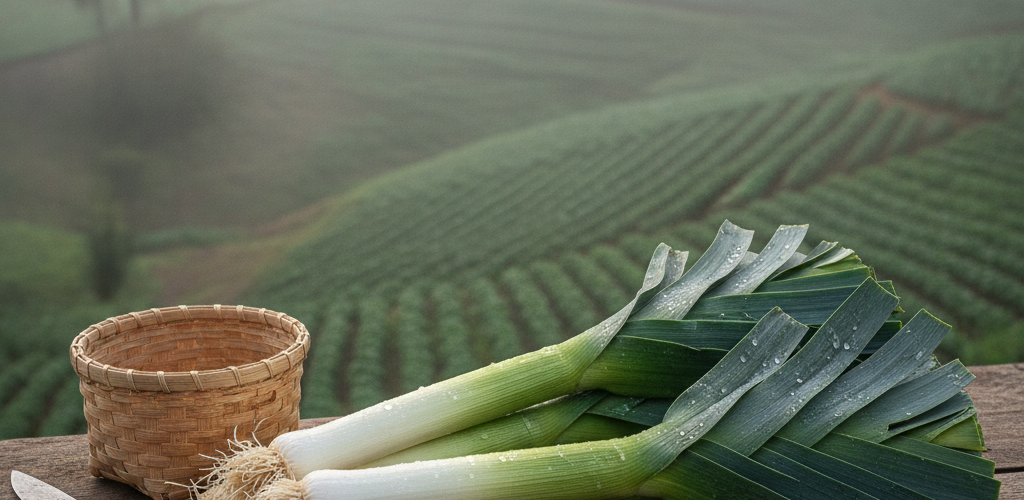
The Magic of Nuwara Eliya Leeks: A Sri Lankan Kitchen Staple
In the mist-covered hills of Nuwara Eliya, where the air is crisp and the soil is rich with minerals, grows one of Sri Lanka’s most versatile and beloved vegetables: the leek. Often overshadowed by its cousins, the onion and garlic, the leek is a culinary powerhouse that brings a subtle, sweet complexity to any dish. Whether you are preparing a hearty vegetable soup for a rainy evening in Colombo or a quick tempered stir-fry for a family lunch, understanding the seasonality and storage of leeks is key to elevating your home cooking.
For Sri Lankan families, sourcing fresh produce is more than just a chore; it is an act of love. We look for that specific crunch, that vibrant green hue, and that earthy aroma that only comes from vegetables harvested just hours before they reach our kitchens. In this guide, we will explore everything you need to know about seasonal leeks in Sri Lanka, how to pick the best ones, and the secrets to keeping them fresh for longer.
When is the Best Time to Buy Leeks in Sri Lanka?
In many parts of the world, leeks are strictly a winter vegetable. However, thanks to the unique microclimate of the Sri Lankan hill country, particularly in regions like Nuwara Eliya, Welimada, and Badulla, leeks are available almost year-round. But while they are always present at the market, there are specific times when the quality is at its peak.
The Impact of the Monsoons
Leeks thrive in cool, moist conditions with well-drained soil. In Nuwara Eliya, the primary growing seasons are influenced by the North-East and South-West monsoons. Typically, the best quality leeks are harvested during the cooler months from October to January. During this period, the temperature drop in the central highlands allows the leeks to grow slowly, developing a thicker white stalk (the most tender part) and a more concentrated, sweet flavor.
Why Nuwara Eliya Produce Stands Out
The high altitude of Nuwara Eliya (over 1,800 meters above sea level) provides a temperate environment that mimics the native growing conditions of European alliums. This is why leeks from this region are often larger, crunchier, and more flavorful than those grown in lower elevations. When you buy organic produce sourced directly from these farms, such as the selection available through NunuFresh, you are getting vegetables that haven’t spent days wilting in high-heat transport trucks.
The Nutritional Powerhouse: Why Your Family Needs Leeks
Leeks are not just a flavor base; they are packed with essential nutrients that support a healthy lifestyle. For Sri Lankan households focused on wellness, incorporating more leeks into the diet is a smart move.
- Rich in Kaempferol: This is a natural flavonol and antioxidant that helps protect the linings of blood vessels and may reduce the risk of chronic diseases.
- High in Vitamin K: Essential for bone health and blood clotting, a single serving of leeks provides a significant portion of your daily requirement.
- Excellent Source of Folate: Particularly important for pregnant women and heart health, folate is abundant in the green parts of the leek.
- Digestive Health: Leeks contain prebiotic fiber, which feeds the good bacteria in your gut, aiding digestion and boosting immunity.
How to Choose the Freshest Leeks at the Market
When you are shopping for leeks, whether at a local fair or browsing an online marketplace, keep these quality indicators in mind to ensure you are getting the best value for your money:
1. Look at the Colors
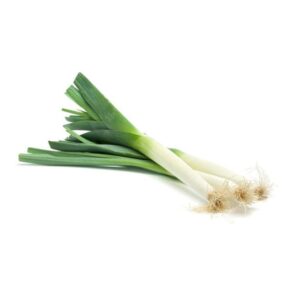
The base of the leek should be a brilliant, clean white, transitioning into a pale, creamy green, and finally ending in dark, vibrant green leaves. Avoid leeks that show signs of yellowing or browning on the outer leaves, as this indicates they are past their prime.
2. Check the Firmness
Gently squeeze the white stalk. It should feel firm and solid. If it feels soft, hollow, or “squishy,” the leek may be starting to rot from the inside or has been stored poorly. The dark green tops should be crisp, not wilted or slimy.
3. Size Matters (But Not the Way You Think)
While giant leeks might look impressive, they can sometimes be tough and fibrous. Medium-sized leeks (about 1 to 1.5 inches in diameter) are usually the sweetest and most tender. If you are planning to grill or roast them whole, smaller “baby” leeks are an excellent choice.
The Art of Storing Leeks to Maintain Freshness
Nothing is more disappointing than buying beautiful organic produce only to have it turn into a wilted mess in the fridge three days later. Because leeks have a high water content, they require specific storage conditions to stay crisp.
Short-Term Storage (Up to 2 Weeks)
Do not wash your leeks before storing them. Moisture is the enemy of longevity in the refrigerator. Instead, wrap the unwashed leeks loosely in a damp paper towel and place them inside a perforated plastic bag or a reusable produce bag. Store them in the crisper drawer of your refrigerator. The paper towel maintains just enough humidity to keep them from drying out, while the bag prevents them from absorbing odors from other foods.
Long-Term Storage: Freezing Leeks
If you have a surplus of seasonal leeks, freezing is a fantastic option. While they will lose their crunch (making them unsuitable for salads), they remain perfect for soups, stews, and curries. To freeze:
- Clean and slice the leeks into rounds.
- Blanch them in boiling water for 1-2 minutes, then immediately plunge them into ice water.
- Pat them completely dry.
- Spread them on a baking sheet to freeze individually (this prevents clumping).
- Transfer to an airtight freezer bag. They will stay good for up to 3 months.
Cleaning Leeks: The Step Most People Miss
Leeks grow in sandy soil, and as they grow upward, dirt often gets trapped between the tightly wrapped layers. Simply rinsing the outside is never enough. To clean them properly:
- Trim the roots and the very dark, tough tops (save the tops for making vegetable stock!).
- Slice the white and light green parts as desired.
- Place the sliced leeks in a large bowl of cold water and swish them around vigorously. The dirt and sand will sink to the bottom, while the leeks will float.
- Lift the leeks out of the water (don’t pour the water out through a colander, or you’ll pour the dirt back onto the leeks) and give them one final rinse.
Bringing the Farm to Your Table with NunuFresh
In the busy urban centers of Sri Lanka, finding the time to source high-quality, farm-fresh vegetables can be a challenge. This is where NunuFresh steps in. By bridging the gap between the hardworking farmers of Nuwara Eliya and your kitchen, NunuFresh ensures that you receive organic, pesticide-free produce that is harvested to order. When you choose organic leeks, you aren’t just getting better flavor; you are supporting sustainable agricultural practices that protect our beautiful island’s soil and water.
Conclusion: Seasonal Cooking for a Healthier Home
Leeks are a testament to the richness of Sri Lankan agriculture. By choosing them during their peak season and storing them with care, you can enjoy their delicate flavor and incredible health benefits all year round. From a simple leek and potato white curry to a sophisticated sauté, this vegetable deserves a permanent spot in your pantry.
Ready to experience the difference that fresh-from-the-farm produce makes? Explore the wide range of organic vegetables, including our premium Nuwara Eliya leeks, at NunuFresh. We deliver the best of the hill country directly to your doorstep, ensuring your family enjoys the highest quality nutrition every single day.
Visit NunuFresh today and start your journey toward a fresher, healthier lifestyle!
Shop Fresh from NunuFresh
These products mentioned in this article are available for delivery: