No products in the cart.
How to Choose the Freshest Potato: A Sri Lankan Guide
The Staple of the Sri Lankan Kitchen: Why Quality Matters
In almost every Sri Lankan household, the potato is more than just a vegetable; it is a culinary cornerstone. Whether it is a spicy Ala Theldala (tempered potatoes) served with red rice, a creamy potato curry enriched with coconut milk, or the crispy golden fries we love to snack on, the humble potato plays a vital role in our daily nutrition. However, not all potatoes are created equal. The difference between a dish that is mediocre and one that is truly spectacular often lies in the quality of the raw produce.
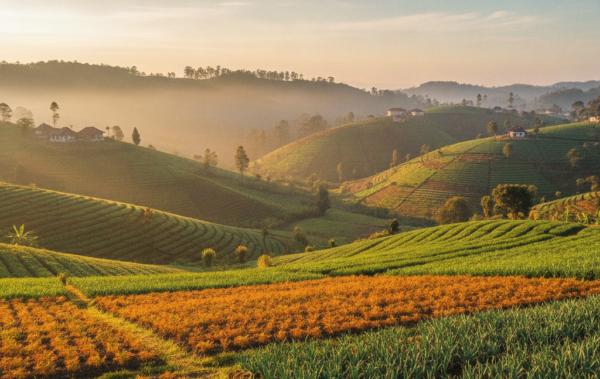
Choosing the right potato can be a challenge, especially in a market where imported varieties often sit alongside local ones. Sri Lanka’s upcountry region, particularly Nuwara Eliya, is world-renowned for producing some of the most flavorful and nutrient-dense potatoes due to its unique microclimate and rich, volcanic soil. Knowing how to spot the freshest pick ensures that you are getting the best value for your money and the healthiest ingredients for your family. In this guide, we will dive deep into the science and art of selecting the perfect potato.
1. The Visual Inspection: Skin, Color, and Surface
The first step in choosing a fresh potato is a thorough visual check. While a bit of dirt is natural—and often a sign of a farm-fresh harvest—the underlying skin should tell a story of health and freshness.
Check the Skin Texture
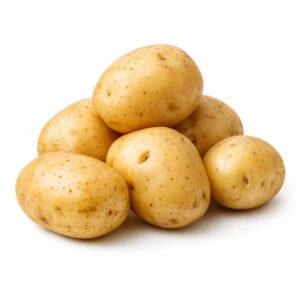
A fresh potato should have relatively smooth, tight skin. If the skin appears wrinkled, shriveled, or loose, it is a clear sign that the potato has been sitting in storage for too long and has lost its moisture content. While these potatoes might still be edible, they will be starchy, less flavorful, and will have a tougher texture when cooked.
Avoid the ‘Green’ Glow
One of the most important things to look for is a green tint on the skin. This green color is caused by exposure to light, which triggers the production of chlorophyll. However, along with chlorophyll, the potato also produces a glycoalkaloid called solanine. Solanine is a natural toxin that can cause digestive issues, headaches, and a bitter taste if consumed in large quantities. If a potato has small green spots, you can peel them away deeply, but if the greening is extensive, it is best to discard the potato entirely.
The Sprout Factor
Sprouting is a sign that the potato is trying to grow. When a potato sprouts, it converts its internal starches into sugars to fuel the growth of the ‘eyes.’ This process makes the potato soft and significantly reduces its nutritional value. Always look for potatoes with smooth surfaces and no visible sprouts or deep ‘eyes’ that look like they are about to bud.
2. The Feel Test: Firmness and Weight
Once you’ve looked at the potatoes, it’s time to pick them up. A potato’s weight and firmness are reliable indicators of its internal quality.
Firmness is Key
Gently squeeze the potato. It should feel firm and solid, almost like a rock. If the potato feels soft, spongy, or gives way under slight pressure, it has started to decay internally or has lost too much moisture. Freshly harvested potatoes from regions like Nuwara Eliya are exceptionally firm because they haven’t spent weeks in cold storage or shipping containers.
Heavy for Its Size
A fresh potato should feel heavy for its size. This weight indicates a high water and starch content, which translates to a better texture when cooked. If a potato feels surprisingly light, it is likely old and dehydrated. When you buy through a trusted source like NunuFresh, the potatoes are often delivered shortly after harvest, ensuring they retain that characteristic weight and freshness.
3. Understanding Sri Lankan Potato Varieties
In Sri Lanka, we generally encounter two types of potatoes: local and imported. Understanding the difference is crucial for both taste and health.
The Nuwara Eliya Difference
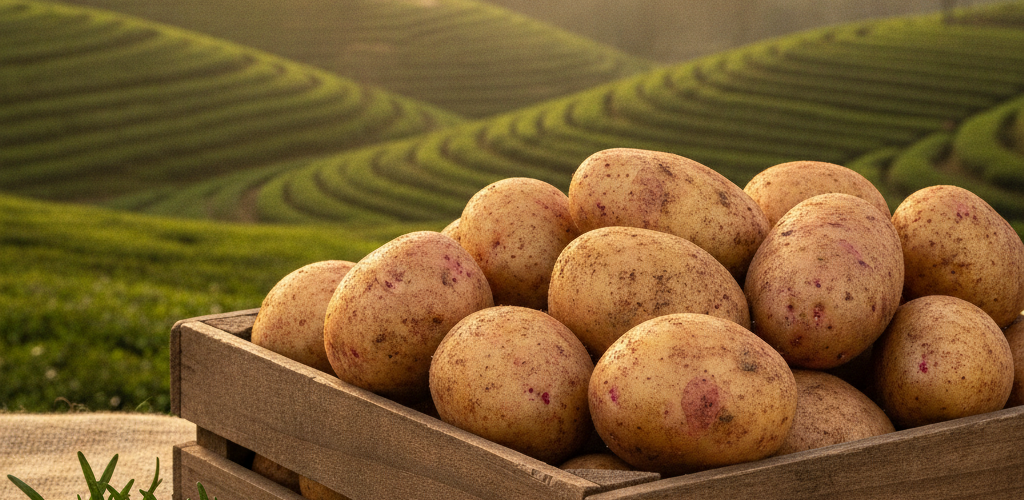
Nuwara Eliya potatoes are widely considered the gold standard in Sri Lanka. They are often smaller to medium-sized, with a thin, light-colored skin and a creamy internal texture. Because they are grown in the cool, misty highlands, they have a unique sweetness and a ‘waxy’ quality that makes them perfect for curries, as they hold their shape well. Furthermore, local potatoes often have a lower chemical residue compared to bulk-imported varieties that require long-term preservatives for sea travel.
Imported Varieties
Imported potatoes (often from countries like Pakistan or India) are usually larger and have a thicker, darker skin. While they are often cheaper, they are generally high in starch and can become ‘fluffy’ or ‘mealy’ when cooked. These are better suited for mashing or making chips but may lack the depth of flavor found in a fresh Nuwara Eliya harvest.
4. The Importance of Organic and Sustainably Grown Produce
In recent years, the move towards organic farming in Sri Lanka has highlighted the health risks associated with heavy pesticide use in traditional agriculture. Potatoes are root vegetables, meaning they grow directly in the soil and can absorb chemicals more readily than some other crops.
Choosing organic potatoes means you are consuming produce grown without synthetic fertilizers or harmful pesticides. Organic farming practices also focus on soil health, which directly impacts the mineral content of the potato. When you choose organic, you aren’t just getting a cleaner vegetable; you’re getting one that is richer in potassium, Vitamin C, and Vitamin B6. Supporting marketplaces like NunuFresh helps sustain these small-scale organic farmers in Nuwara Eliya who prioritize quality over mass production.
5. How to Store Your Potatoes for Lasting Freshness
Your job isn’t over once you leave the market. Proper storage is essential to keep those fresh potatoes from spoiling or turning green.
- Keep it Dark: Store potatoes in a dark place to prevent solanine (greening) production. A pantry or a kitchen cupboard away from windows is ideal.
- Keep it Cool (but not cold): While potatoes like cool temperatures, you should never store them in the refrigerator. Cold temperatures convert the potato’s starch into sugar, which changes the taste and can lead to the formation of harmful substances like acrylamide when fried.
- Allow for Airflow: Never store potatoes in a sealed plastic bag. Use a mesh bag, a wicker basket, or a paper bag to allow the potatoes to ‘breathe.’
- Separate from Onions: This is a common mistake! Onions release ethylene gas, which causes potatoes to sprout and spoil much faster. Keep them in separate bins.
6. Conclusion: Making the Best Choice for Your Family
Choosing the freshest potato is a simple skill that pays dividends in the kitchen. By looking for firm, sprout-free tubers with no green tint, and by prioritizing local Nuwara Eliya varieties, you ensure that every meal you cook is packed with flavor and nutrition. Remember that the journey of your food matters; the shorter the time from the farm to your table, the better the quality.
Next time you are planning a special Sunday lunch or a simple weeknight curry, take a moment to inspect your produce. Better yet, let the experts handle the selection for you by sourcing directly from the source.
Experience the Nuwara Eliya Freshness Today
Tired of searching for the perfect potato at the local market? At NunuFresh, we bring the best of Nuwara Eliya’s organic farms directly to your doorstep. Our potatoes are hand-selected, sustainably grown, and delivered fresh to ensure you get the peak of nutrition and taste. Explore our range of organic vegetables and taste the difference of farm-to-table quality today.
Shop Fresh from NunuFresh
These products mentioned in this article are available for delivery: