No products in the cart.
How Sri Lankan Highland Farmers Grow Organic Cabbage
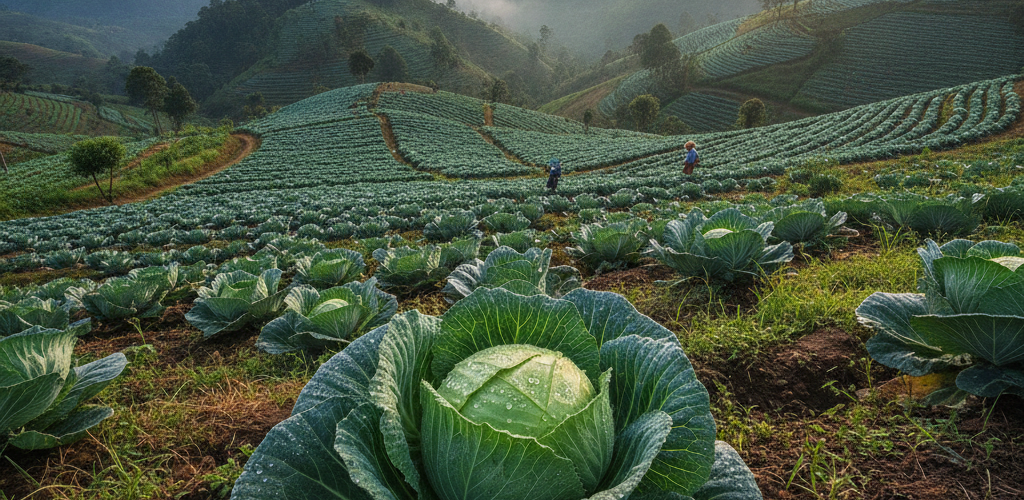
The Green Heart of Sri Lanka: Organic Cabbage in Nuwara Eliya
Tucked away amidst the misty peaks and rolling tea estates of Sri Lanka’s central highlands lies Nuwara Eliya, often referred to as “Little England.” While the region is globally famous for its tea, it is also the lifeblood of Sri Lanka’s vegetable production. Among the patchwork of emerald-green fields, one vegetable stands out for its versatility and nutritional punch: the cabbage. In recent years, a growing movement of dedicated highland farmers has pivoted back to traditional, organic methods, ensuring that the cabbage on your dinner table is as healthy as the mountain air it grew in.
Growing organic cabbage in the highlands is not just about avoiding chemicals; it is a labor of love that involves understanding the delicate balance of the ecosystem. For the farmers who partner with NunuFresh, this process is a blend of ancestral wisdom and modern sustainability. In this article, we take a deep dive into the journey of a cabbage head, from a tiny seed in the cold Nuwara Eliya soil to the crisp, nutrient-dense vegetable delivered to your doorstep.
The Perfect Climate: Why Nuwara Eliya is Ideal
Cabbage (Brassica oleracea) is a cool-weather crop that thrives in temperatures between 15°C and 20°C. The high altitude of Nuwara Eliya, sitting at approximately 1,868 meters above sea level, provides the perfect microclimate. The frequent mist, high humidity, and well-distributed rainfall throughout the year create a natural greenhouse effect that cabbage loves.
Soil: The Foundation of Organic Farming
Organic farming starts with the soil. In the highlands, the soil is naturally rich in organic matter, but years of conventional farming can deplete it. Organic farmers in the region focus on “feeding the soil to feed the plant.” They use a combination of:
- Composted Animal Manure: Primarily from local dairy cows and poultry.
- Green Manure: Incorporating leguminous plants back into the soil to boost nitrogen levels.
- Kitchen Waste and Crop Residue: Ensuring nothing goes to waste and nutrients are recycled.
By maintaining a high level of microbial activity in the soil, farmers ensure that the cabbage plants have access to a steady stream of nutrients, resulting in heads that are heavier, crispier, and more flavorful than those grown with synthetic fertilizers.
The Organic Growing Process: Step-by-Step
1. Seedling Care and Nursery Management
The journey begins in a protected nursery. Organic farmers often use heirloom seeds or high-quality organic varieties suited for the highland climate. The seeds are sown in trays filled with a mix of coco-peat and organic compost. This stage is crucial for protecting young plants from harsh winds and heavy rains. After about 4 to 5 weeks, once the seedlings have developed 4-6 true leaves, they are ready for the big move to the main field.
2. Land Preparation and Transplanting
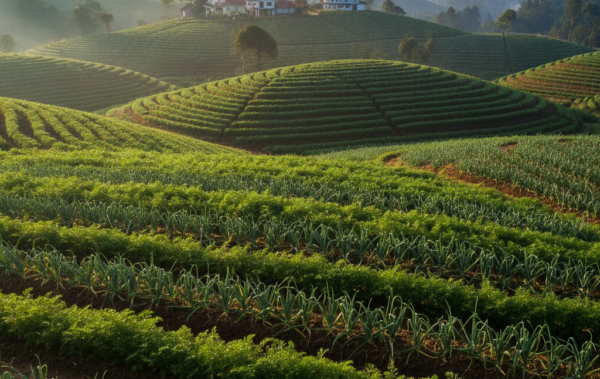
Highland farming is synonymous with terracing. To prevent soil erosion on the steep slopes of Nuwara Eliya, farmers meticulously maintain stone-walled terraces. Before transplanting, the soil is loosened and enriched with organic compost. Seedlings are usually planted in the late afternoon to reduce transplant shock, with careful spacing of about 40-50 cm to allow for proper air circulation—a key factor in preventing fungal diseases in the humid highlands.
3. Natural Pest and Disease Management
One of the biggest challenges in organic cabbage farming is the Diamondback Moth and various caterpillars that love to munch on leafy greens. Without chemical pesticides, how do Sri Lankan farmers cope? They use a multi-pronged approach known as Integrated Pest Management (IPM):
- Neem Oil Sprays: A natural repellent that disrupts the life cycle of pests.
- Garlic and Chili Infusions: A traditional Sri Lankan remedy used to deter insects through strong scents and heat.
- Companion Planting: Planting marigolds or mustard greens alongside cabbage to attract beneficial insects or act as “trap crops.”
- Hand-picking: In smaller organic plots, farmers often manually remove pests during their daily morning rounds.
4. Irrigation from Mountain Springs
Water quality matters just as much as soil quality. Most organic farms in Nuwara Eliya utilize the natural gravity-fed water systems from mountain springs. This water is pristine, free from the industrial pollutants often found in lowland rivers. During the dry spells, farmers use manual watering or drip irrigation to keep the soil consistently moist, which prevents the cabbage heads from cracking.
The Harvest: From Farm to NunuFresh
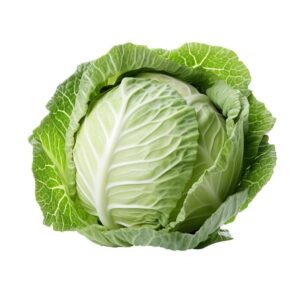
A cabbage head is ready for harvest when it feels firm and solid to the touch. In the highlands, this typically takes 90 to 120 days from transplanting. Farmers hand-harvest each head, leaving a few outer leaves attached to protect the tender inner heart during transport. This is where the speed of the supply chain becomes vital.
Because organic produce lacks the synthetic preservatives found in commercial crops, it must reach the consumer quickly. This is where NunuFresh plays a pivotal role. By bridging the gap between the Nuwara Eliya farms and households across Sri Lanka, NunuFresh ensures that the cabbage you receive still retains the crispness and nutritional integrity it had the moment it was cut from the field.
Nutritional Benefits of Highland Organic Cabbage
Why choose organic cabbage from the highlands? Research suggests that vegetables grown in nutrient-rich organic soil often contain higher levels of antioxidants and vitamins. Sri Lankan cabbage is a powerhouse of:
- Vitamin C: Essential for immune support and skin health.
- Vitamin K: Crucial for bone health and blood clotting.
- Dietary Fiber: Promotes healthy digestion and a feeling of fullness.
- Anthocyanins: Especially high in red cabbage varieties, these help reduce inflammation.
Furthermore, because these cabbages are grown without systemic pesticides, you can consume the leaves with peace of mind, knowing your family is not being exposed to harmful chemical residues.
Supporting the Highland Farming Community
Choosing organic isn’t just a health choice; it’s an ethical one. Organic farming is more labor-intensive than conventional farming. By purchasing organic cabbage, you are directly supporting the livelihoods of small-scale farmers in Nuwara Eliya who are committed to preserving the environment. These farmers act as stewards of the land, protecting the highland watersheds that provide water for much of the island.
Conclusion: Bring the Freshness of Nuwara Eliya to Your Kitchen
The journey of an organic cabbage head is a testament to the resilience and skill of Sri Lanka’s highland farmers. From the careful enrichment of the soil to the natural protection against pests, every step is taken with the health of the consumer and the planet in mind. The result is a vegetable that is not only delicious but also a symbol of sustainable agriculture in Sri Lanka.
Ready to taste the difference? You can find the finest selection of farm-fresh, organic produce sourced directly from the heart of Nuwara Eliya at NunuFresh. Explore our range today and bring the crisp, healthy goodness of the highlands to your family meals.
Explore our organic vegetable collection: Shop NunuFresh Now
Shop Fresh from NunuFresh
These products mentioned in this article are available for delivery: