No products in the cart.
Nuwara Eliya: The Vegetable Garden of Sri Lanka
The Emerald Heart of Sri Lankan Agriculture
Perched high in the central highlands of Sri Lanka, shrouded in a veil of mist and kissed by the cool mountain air, lies Nuwara Eliya. Often referred to as ‘Little England’ due to its colonial architecture and temperate climate, this region is far more than just a scenic tourist destination. It is the lifeblood of the nation’s food supply, rightfully earning its title as the ‘Vegetable Garden of Sri Lanka.’
For generations, the fertile soil and unique microclimate of Nuwara Eliya have provided the perfect conditions for growing a variety of crops that simply cannot thrive in the tropical heat of the lowlands. From the crisp snap of a fresh carrot to the earthy richness of a highland potato, the produce from this region is a staple in every Sri Lankan household. In this article, we explore why Nuwara Eliya is so vital to our agriculture, the science behind its productivity, and how the shift toward organic farming is reshaping the way we eat.
The Magic of the Highland Climate
What makes Nuwara Eliya so special for farming? The answer lies in its geography. Situated at an elevation of approximately 1,868 meters (6,128 feet) above sea level, the region enjoys an average annual temperature of around 16°C. While the rest of Sri Lanka experiences tropical heat, Nuwara Eliya offers a cool, temperate environment similar to Northern Europe.
The Role of Rainfall and Soil
Nuwara Eliya receives ample rainfall throughout the year, particularly during the monsoon seasons. This consistent hydration, combined with the region’s well-drained, humic-rich soil, creates an ideal environment for ‘Up-Country’ vegetables. The soil in this region is naturally rich in organic matter, which provides the essential nutrients needed for high-quality produce. This unique combination of high altitude, low temperature, and rich soil is why vegetables grown here often have a superior taste, texture, and nutritional profile compared to those grown elsewhere.
The Staples of the Garden: What Grows in Nuwara Eliya?
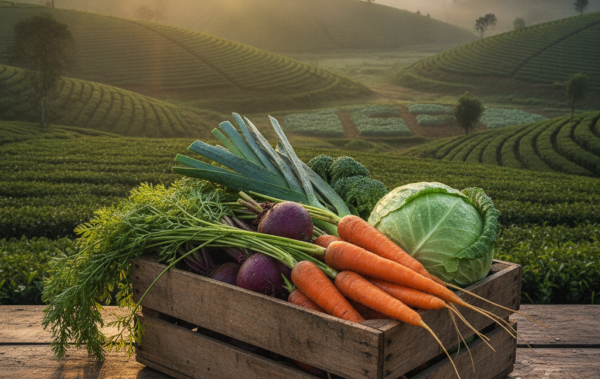
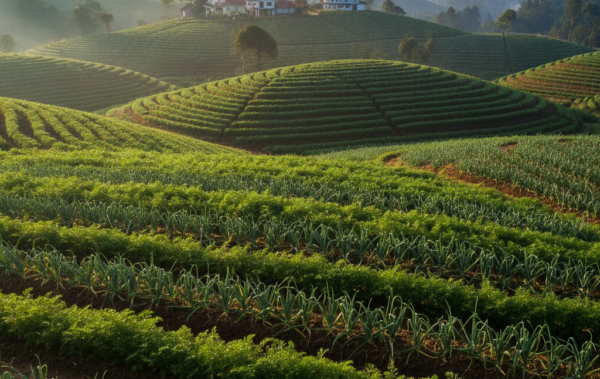
When you walk through the terraced fields of Nuwara Eliya, you see a vibrant tapestry of colors. The region is famous for producing a wide range of temperate vegetables that are essential to the Sri Lankan diet. Let’s take a closer look at some of the most prominent crops:
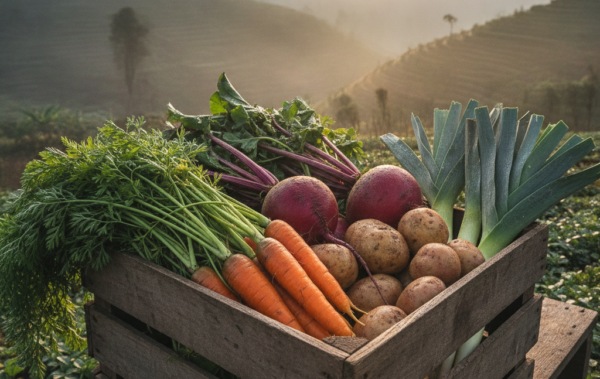
- Nuwara Eliya Potatoes: Renowned for their creamy texture and thin skin, these potatoes are highly sought after in local markets. They are distinct from imported varieties and are a favorite for traditional Sri Lankan curries.
- Carrots: The carrots from this region are known for being exceptionally sweet and crunchy. Their bright orange hue is a testament to the nutrient-rich soil in which they grow.
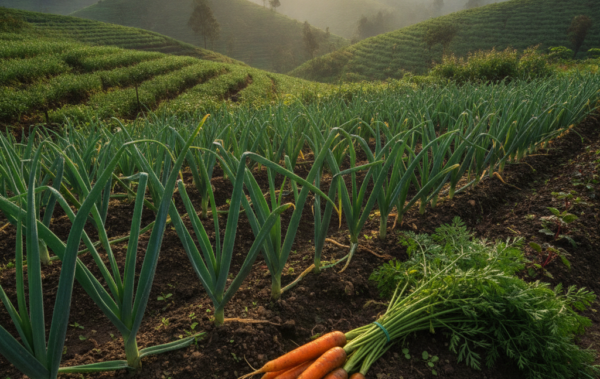
- Leeks and Spring Onions: These are the aromatic foundations of many dishes. The cool climate allows leeks to grow thick and flavorful, adding a unique depth to soups and stir-fries.
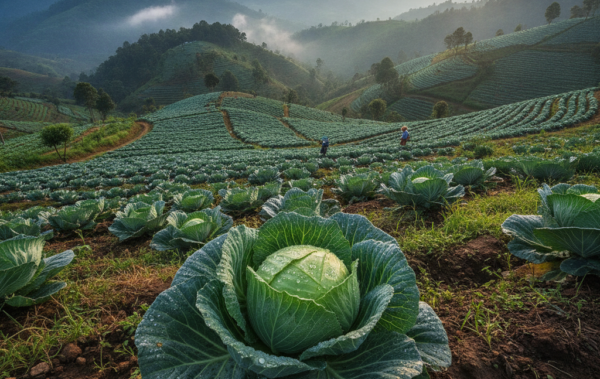
- Cabbage and Cauliflower: These cruciferous vegetables thrive in the cool air, growing large, dense, and packed with vitamins.
- Beetroot: The deep purple beetroots of Nuwara Eliya are prized for their earthy sweetness and high iron content.
- Exotic Produce: Beyond the staples, Nuwara Eliya is also the home of Sri Lanka’s strawberry industry, as well as bell peppers, broccoli, and various types of lettuce.
By sourcing directly from these farms, platforms like NunuFresh ensure that the natural goodness of these vegetables reaches your kitchen without the long delays that lead to nutrient loss.
The Art of Terrace Farming
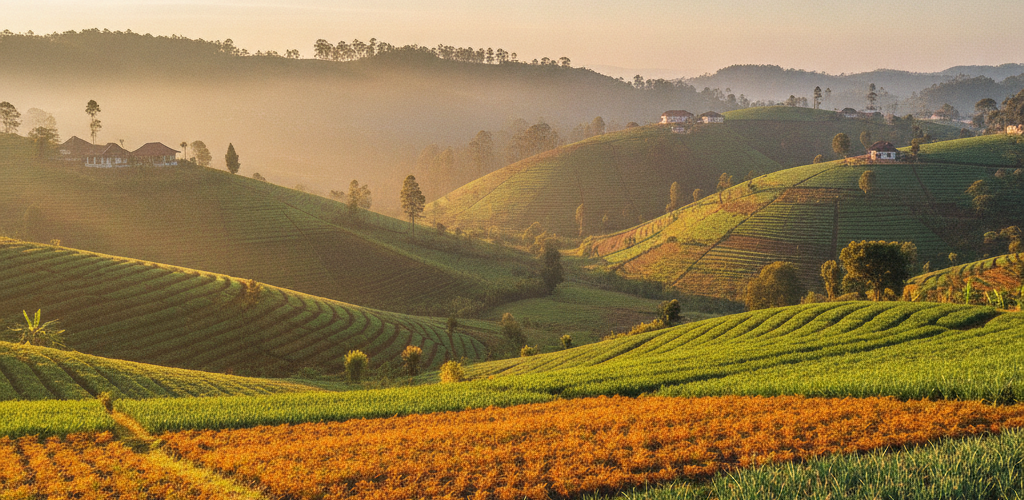
One of the most striking sights in Nuwara Eliya is the intricate system of terrace farming. Because much of the land is mountainous, farmers have adapted by carving steps into the hillsides. This ancient technique is not just beautiful to look at; it is a masterclass in sustainable agriculture. Terracing helps prevent soil erosion by slowing down the flow of rainwater and allows farmers to utilize land that would otherwise be unfarmable.
The labor-intensive nature of this farming means that much of the produce is tended to by hand. Farmers in Nuwara Eliya possess a deep, generational knowledge of the land, knowing exactly when to plant and harvest based on the subtle shifts in the mountain mist.
The Shift Toward Organic and Sustainable Practices
In recent years, there has been a significant movement within the Nuwara Eliya farming community toward organic and sustainable agriculture. Sri Lankan consumers are becoming increasingly health-conscious, seeking produce that is free from harmful chemical pesticides and synthetic fertilizers.
Why Organic Matters in the Highlands
Organic farming in Nuwara Eliya isn’t just about health; it’s about preserving the delicate mountain ecosystem. By using natural compost and traditional pest control methods, farmers are protecting the groundwater and ensuring the soil remains fertile for future generations. Organic ‘Up-Country’ vegetables are often richer in antioxidants and have a more robust flavor, making them a preferred choice for families who prioritize wellness.
As an online marketplace dedicated to quality, NunuFresh works closely with farmers who prioritize these sustainable methods, bridging the gap between the highland farms and the urban consumer who demands the best for their family.
Economic Impact and Food Security
Nuwara Eliya’s contribution to the Sri Lankan economy cannot be overstated. The district is a major contributor to the national agricultural GDP. Thousands of families in the region depend directly on vegetable cultivation for their livelihoods. Furthermore, the produce from these hills is transported daily to major economic centers like the Manning Market in Colombo and the Dambulla Dedicated Economic Centre, from where it is distributed across the entire island.
Maintaining a healthy agricultural output in Nuwara Eliya is vital for Sri Lanka’s food security. When the highlands thrive, the nation eats well. However, the industry faces challenges such as fluctuating market prices and the impacts of climate change, which is why supporting direct-to-consumer platforms is becoming increasingly important for the stability of local farmers.
Bringing the Garden to Your Table
For many years, the only way to get truly fresh Nuwara Eliya produce was to visit the region yourself or buy from local vendors who had just received a shipment. Today, technology has changed the game. The concept of ‘farm-to-table’ is no longer a luxury; it is a reality for many Sri Lankan households.
When vegetables are harvested in the cool morning air of Nuwara Eliya and delivered quickly to your doorstep, they retain their crispness and nutritional value. This efficiency reduces food waste and ensures that your family is getting the maximum health benefits from every meal.
Conclusion: Celebrating Our Agricultural Heritage
Nuwara Eliya is more than just a picturesque town; it is a testament to the resilience and hard work of the Sri Lankan farmer. It is a place where nature and human ingenuity work in harmony to provide the nourishment we need. By understanding the effort that goes into every carrot, potato, and leek, we can better appreciate the food on our plates and make more informed choices about where our groceries come from.
The next time you enjoy a fresh salad or a hearty vegetable curry, remember the mist-covered hills of the central highlands and the dedicated farmers who make it all possible. Let us continue to support our local agriculture and embrace the fresh, organic bounty that our island has to offer.
Ready to experience the true taste of the highlands? Explore the wide range of fresh, organic produce at NunuFresh and bring the goodness of Nuwara Eliya farms directly to your home today.
Shop Fresh from NunuFresh
These products mentioned in this article are available for delivery: