No products in the cart.
Seasonal Eating Guide: Best Fresh Produce in Sri Lanka
Embracing the Rhythms of Nature: Why Seasonal Eating Matters in Sri Lanka
In the lush, tropical landscape of Sri Lanka, we are blessed with a bounty of fruits and vegetables that change with the rhythm of the monsoons. For generations, Sri Lankan households have naturally followed a seasonal diet, eating what the land provided at its peak. However, in our modern world of supermarkets and global imports, we often lose touch with the natural calendar of our soil. Eating seasonally isn’t just a culinary trend; it is a way to ensure you are getting the most nutrient-dense, flavorful, and environmentally friendly produce available.
When you choose seasonal produce, you are consuming food that has been harvested at its peak ripeness. This means higher concentrations of vitamins, minerals, and antioxidants compared to produce that has been forced to grow out of season or transported across thousands of miles. In Sri Lanka, our two main cultivation seasons—Maha (the northeast monsoon from September to March) and Yala (the southwest monsoon from May to August)—dictate the abundance of our harvests. By understanding these cycles, we can make better choices for our health and our families.
The Up-Country Advantage: Nuwara Eliya’s Year-Round Bounty
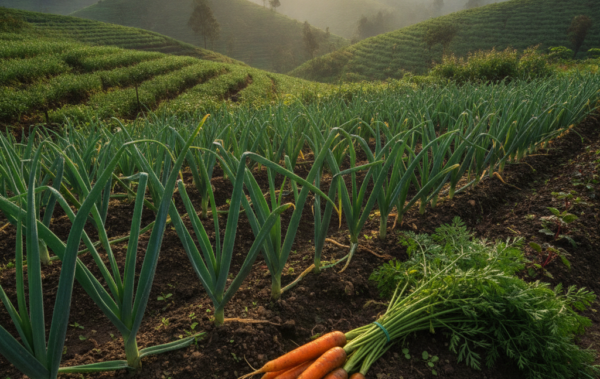
While much of Sri Lanka follows the monsoon cycles, the central highlands, particularly Nuwara Eliya, serve as the nation’s ‘Salad Bowl.’ The cool, temperate climate and high altitude allow for the cultivation of ‘English’ vegetables that struggle in the tropical heat of the lowlands. This region is vital to Sri Lanka’s food security, contributing significantly to the national supply of temperate produce.
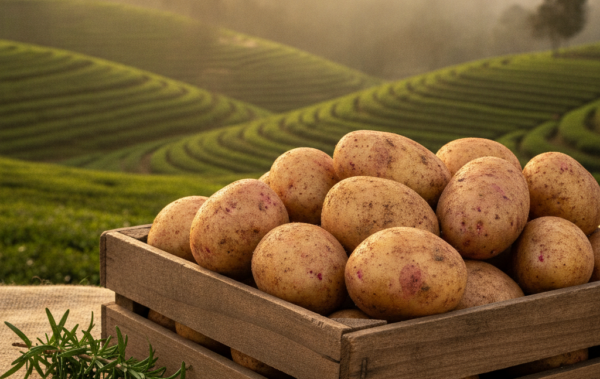
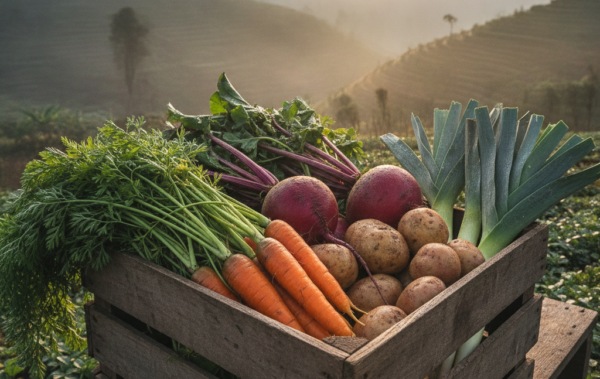
At NunuFresh, we work closely with these highland farmers to ensure that the transition from farm to your kitchen is as short as possible. Because Nuwara Eliya has a unique micro-climate, certain staples like carrots, leeks, and potatoes are available almost year-round, though their quality and yield still fluctuate based on the specific rainfall patterns of the central hills.
What’s in Season: A Quarterly Guide to Sri Lankan Produce
To help you navigate the local markets and understand what to look for, here is a breakdown of what typically thrives during different periods of the year in Sri Lanka.
January to March: The Peak of the Maha Harvest
This period marks the end of the Maha season, and the markets are often flooded with a variety of fresh vegetables. It is a time of abundance before the traditional Sinhala and Tamil New Year.
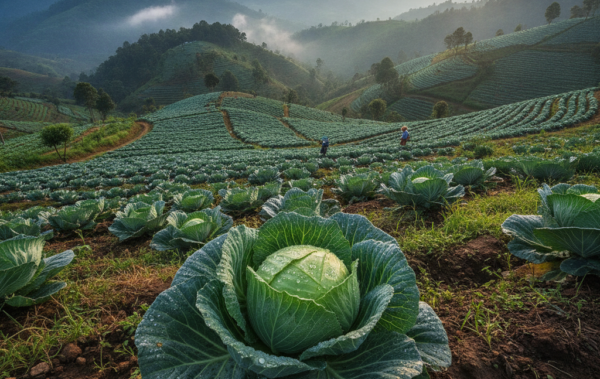
- Vegetables: This is the prime time for Knol Khol (Kohlrabi), Cabbage, and Beetroot. The cooler weather in the early part of the year ensures these vegetables are crisp and sweet. You will also find an abundance of Beans and Winged Beans (Dambala).
- Fruits: Look for Papaya and Guava, which remain steady. This is also a good time for wood-apple (Divul), which is perfect for cooling drinks as the weather begins to warm up.
April to June: The Season of Sweetness
April is a significant month in Sri Lanka, not just for the festivities, but for the arrival of some of the most beloved tropical fruits. As the heat intensifies before the Yala rains, the sugar content in fruits tends to peak.
- Vegetables: Snake Gourd (Pathola), Ridge Gourd (Wetakolu), and Okra (Ladies’ Fingers) thrive in the heat. These water-rich vegetables are excellent for hydration during the warmer months.
- Fruits: This is the undisputed Mango Season. From Karthacolomban to Vellaicolomban, the variety is staggering. It is also the start of the Avocado season, which continues into the later months.
July to September: The Yala Harvest and Exotic Delights
As the Yala season progresses, the mid-year harvest brings forth a different variety of produce, particularly from the dry zones and the intermediate zones of the country.
- Vegetables: Pumpkin (Wattakka) is particularly good during this time, often used in rich, creamy curries. Brinjals (Eggplant) and various types of leafy greens (Mallum) are also at their best.
- Fruits: This is the peak for ‘seasonal’ favorites like Rambutan, Mangosteen, and Durian. While these are often concentrated in specific regions like Malwana or Kalutara, they are a highlight of the Sri Lankan culinary calendar.
October to December: Cooling Down with Root Vegetables
As the second monsoon begins, the focus shifts back to hardier vegetables and the replenishment of the soil. This is a critical time for planting, but also for harvesting late-year crops.
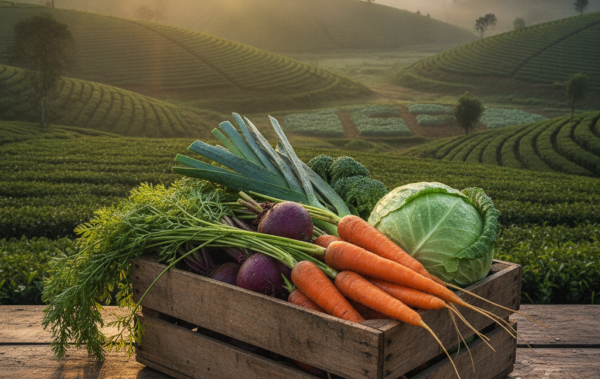
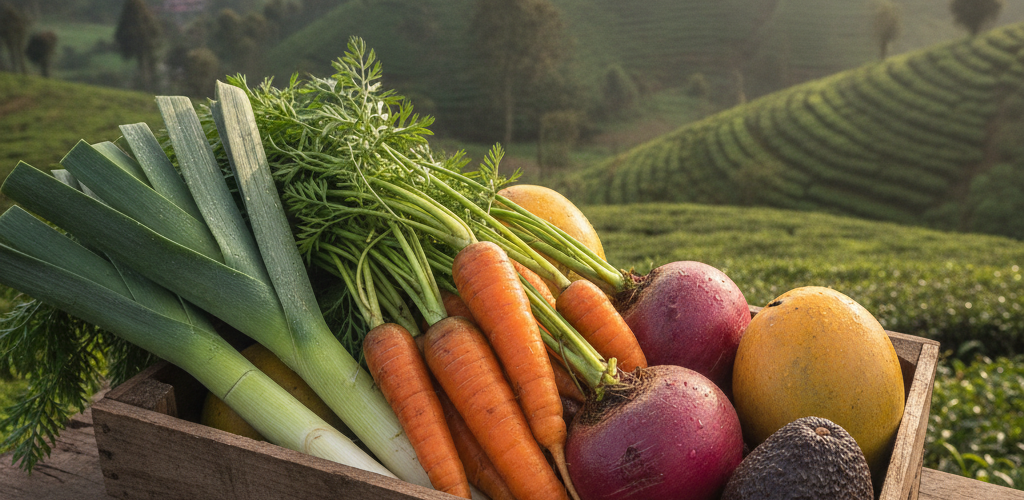
- Vegetables: Carrots and Leeks from Nuwara Eliya are exceptionally fresh during these months. Radishes and different varieties of yams (Innala and Raja Ala) also start appearing more frequently.
- Fruits: Custard Apples (Anoda) and various citrus fruits like local Oranges and Narang become more prevalent, providing a much-needed boost of Vitamin C during the rainy season.
The Benefits of Choosing Organic Produce
In Sri Lanka, the conversation around agriculture has increasingly turned toward organic and sustainable practices. Choosing organic seasonal produce means you are avoiding synthetic pesticides and fertilizers that can linger in the soil and on your food. Organic farming in places like Nuwara Eliya prioritizes soil health, which in turn leads to produce that is richer in flavor. Have you ever noticed that an organic carrot from a highland farm tastes sweeter and ‘earthier’ than a mass-produced one? That is the result of mineral-rich soil and natural growth cycles.
By sourcing through platforms like NunuFresh, you are supporting small-scale farmers who are committed to these traditional, chemical-free methods. It is a cycle of health that benefits the consumer, the farmer, and the Sri Lankan ecosystem.
How to Tell if Your Produce is Truly Fresh
When shopping for seasonal produce, keep these tips in mind to ensure you are getting the best quality:
- The Snap Test: For green beans and winged beans, they should snap cleanly when bent. If they bend without breaking, they are likely old.
- Weight Matters: For citrus fruits, heavy fruits usually mean more juice. For root vegetables like beetroot, a heavy feel indicates freshness and high water content.
- Color and Skin: Look for vibrant, consistent colors. Avoid vegetables with soft spots or wrinkled skin, which are signs of dehydration.
- The Aroma: Truly fresh organic produce often has a distinct, pleasant earthy smell, especially root vegetables and tomatoes.
Conclusion: Eating with the Earth
Eating seasonally in Sri Lanka is a journey of rediscovering our roots. It encourages us to experiment with new recipes based on what is available, ensuring our diet is varied and our bodies are nourished according to the needs of the season. Whether it is a crisp salad made with Nuwara Eliya leeks in the cool months or a refreshing mango lassi in the heat of May, seasonal eating connects us to the land we call home.
Ready to experience the difference that farm-fresh, organic produce can make in your kitchen? At NunuFresh, we bring the best of the Nuwara Eliya harvest directly to your doorstep, ensuring that you and your family enjoy the healthiest, most flavorful seasonal produce Sri Lanka has to offer.