No products in the cart.
The Future of Organic Farming in Sri Lanka: A Green Revolution
Sri Lanka stands at a pivotal moment in its agricultural history. For generations, our island has been known as the ‘Granary of the East,’ blessed with fertile soil and a climate that allows almost anything to grow. However, as global awareness of health and environmental sustainability peaks, the conversation is shifting. The future of farming in Sri Lanka is no longer just about yield; it is about purity, health, and harmony with nature. Organic farming is not just a trend—it is the cornerstone of a healthier Sri Lanka.
The Shift Toward Sustainable Agriculture in Sri Lanka
The journey toward organic farming in Sri Lanka has seen its share of challenges, particularly following the ambitious policy shifts of 2021. However, these experiences have paved the way for a more calculated and sustainable transition. Today, the organic sector is growing steadily, with over 70,000 hectares of land now under organic management across the island. According to recent reports from the Export Development Board (EDB), Sri Lanka earns over $0.5 billion annually from organic exports, showcasing the immense potential of this sector.
For Sri Lankan families, this shift means more than just economic statistics. It represents a move away from the heavy use of synthetic pesticides and fertilizers that have dominated the landscape since the Green Revolution. The future looks bright as more smallholder farmers, particularly in the central highlands, adopt Participatory Guarantee Systems (PGS) and traditional composting methods to restore soil health.
Nuwara Eliya: The Heart of the Organic Future
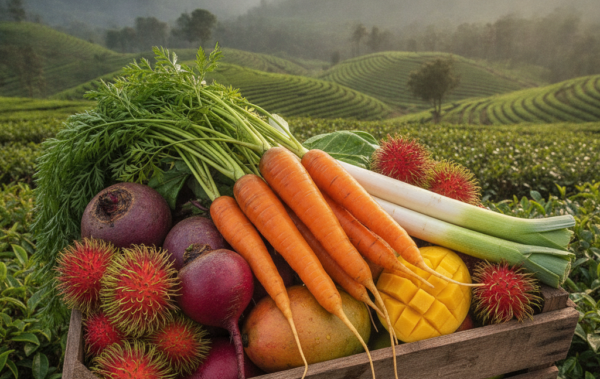
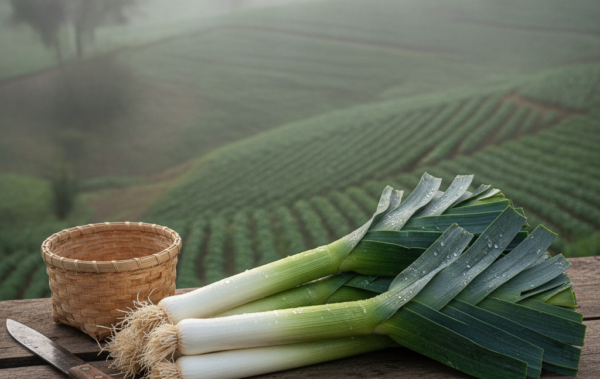
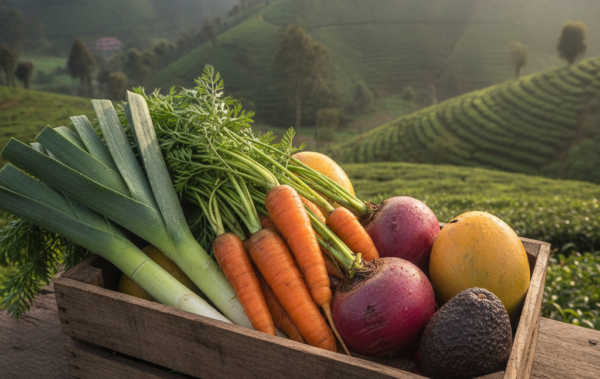
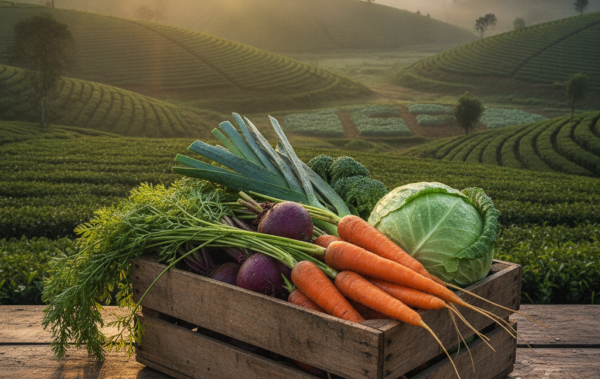
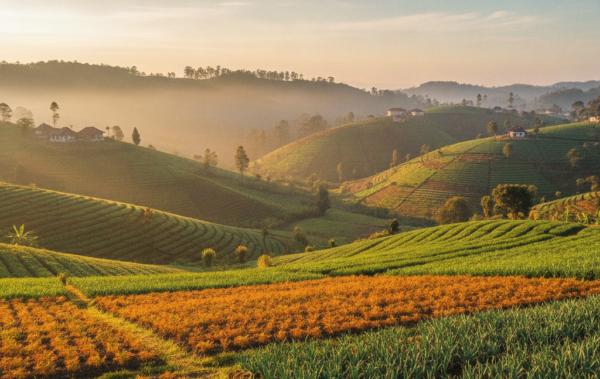
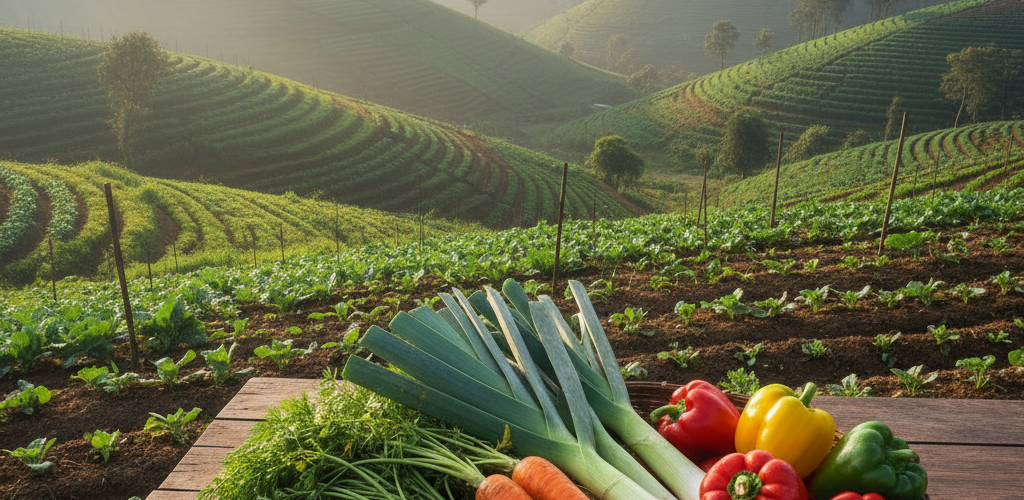
When we think of fresh produce, our minds immediately go to the mist-covered hills of Nuwara Eliya. Traditionally known for its high-intensity vegetable cultivation, Nuwara Eliya is now becoming a leader in the organic movement. The unique temperate climate of the central highlands—situated at an altitude of over 1,800 meters—provides a natural advantage for growing high-value crops like carrots, leeks, strawberries, and exotic herbs that are difficult to cultivate elsewhere.
Restoring the Soil of the Hills
One of the most exciting trends in Nuwara Eliya is the focus on soil restoration. Leading organic demonstration farms in the region are proving that with proper composting and crop rotation, the soil can be revitalized. By moving away from agrichemicals, farmers are seeing a return of biodiversity—beneficial insects and microorganisms that naturally protect crops. At NunuFresh, we work closely with these visionary farmers who prioritize soil health as much as the quality of the harvest, ensuring that the produce reaching your table is as nature intended.
Technology Meets Tradition: Smart Farming Trends
The future of organic farming in Sri Lanka is being shaped by a powerful combination of ancient wisdom and modern technology. We are entering an era of ‘Precision Agriculture,’ where farmers use data to make better decisions.
- IoT and Smart Irrigation: New innovations in soil moisture sensors and IoT-enabled pumps are projected to cut agricultural water usage by up to 30% by 2025. This ensures that every drop of water is used efficiently, preserving our precious water resources.
- Blockchain and Traceability: Transparency is key to organic integrity. Future systems will use blockchain technology to track produce from the exact farm in Nuwara Eliya all the way to your doorstep, giving customers 100% confidence in the organic claim.
- Precision Farming: Drones and satellite imaging are beginning to help organic farmers monitor crop health and predict pest outbreaks without the need for chemical intervention.
New Standards: SLS 1324:2025 and Global Recognition
Trust is the most important ingredient in organic food. To protect consumers from ‘greenwashing’ or misleading claims, Sri Lanka has recently strengthened its regulatory framework. The SLS 1324:2025 standard, issued by the Sri Lanka Standards Institution (SLSI), introduces tighter controls across the entire value chain.
This revised standard has recently been recognized by the IFOAM Family of Standards, putting Sri Lanka on the global map as a leader in organic integrity. For a Sri Lankan mother buying vegetables for her children, this means that ‘certified organic’ now carries a weight of accountability that was never there before. It ensures that the produce is free from genetically modified organisms (GMOs), nanotechnology, and synthetic inputs.
Why This Matters for Your Family
Choosing organic is a direct investment in your family’s long-term health. Organic produce has been found to have higher levels of antioxidants and essential minerals compared to conventionally grown counterparts. More importantly, it is free from the chemical residues that are often linked to chronic health issues. By supporting organic farming, you are also protecting the health of the farmers in Nuwara Eliya, who no longer have to handle toxic chemicals on a daily basis.
The Economic Impact: From Local Tables to Global Markets
The global organic market is projected to rise to a staggering $650 billion by 2034. Sri Lanka is strategically positioning itself to capture this market, particularly in the European Union and the UK, where sustainability regulations are becoming stricter. As we increase our export capacity for organic tea, spices, and vegetables, the wealth flows back into our rural communities.
However, the local market is just as vital. Sri Lankan families are becoming increasingly health-conscious, leading to a surge in demand for non-toxic food. This local demand provides a stable foundation for our farmers, allowing them to thrive even when international markets fluctuate. Platforms like NunuFresh act as a bridge, ensuring that the best organic produce from the hills doesn’t just get exported, but remains available for our own citizens at fair prices.
Overcoming Challenges and Looking Ahead
While the future is promising, the road ahead requires collaboration. Farmers need better access to organic seeds, training in bio-pesticide production, and more efficient cold-chain logistics to reduce post-harvest losses. The high cost of international certification remains a hurdle for small-scale farmers, but the rise of local certification bodies and cooperative models is making organic farming more accessible than ever.
By 2030, we expect to see a significant percentage of Sri Lanka’s vegetable production transitioning to organic or regenerative methods. This will not only make our food safer but will also make our agricultural system more resilient to climate change, as organic soils hold water better and are more resistant to erosion.
Conclusion: Embracing a Healthier Future
The future of organic farming in Sri Lanka is a journey back to our roots, empowered by the tools of the future. It is a commitment to the land, to the farmers of Nuwara Eliya, and most importantly, to the health of our children. Every time you choose organic, you are voting for a greener, cleaner, and more prosperous Sri Lanka.
At NunuFresh, we are proud to be part of this green revolution. We believe that everyone in Sri Lanka deserves access to the freshest, most nutritious produce our island has to offer. By connecting you directly with organic farms in Nuwara Eliya, we ensure that you get farm-to-table quality without the middleman, supporting a sustainable future for all.
Ready to taste the difference? Explore our selection of fresh, organic vegetables and produce delivered straight from the farms of Nuwara Eliya to your home. Visit NunuFresh today!