No products in the cart.
How Sri Lankan Farmers Are Going Organic: Challenges and Successes
The Green Evolution in the Hills of Sri Lanka
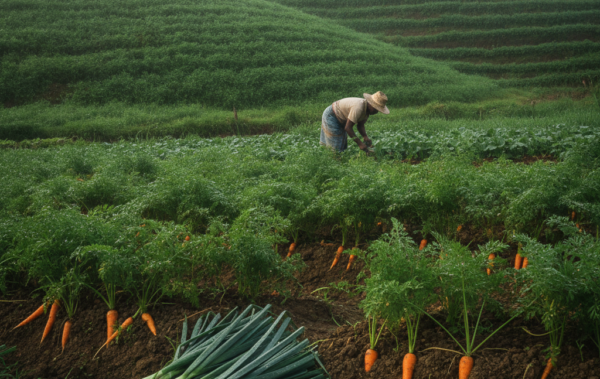
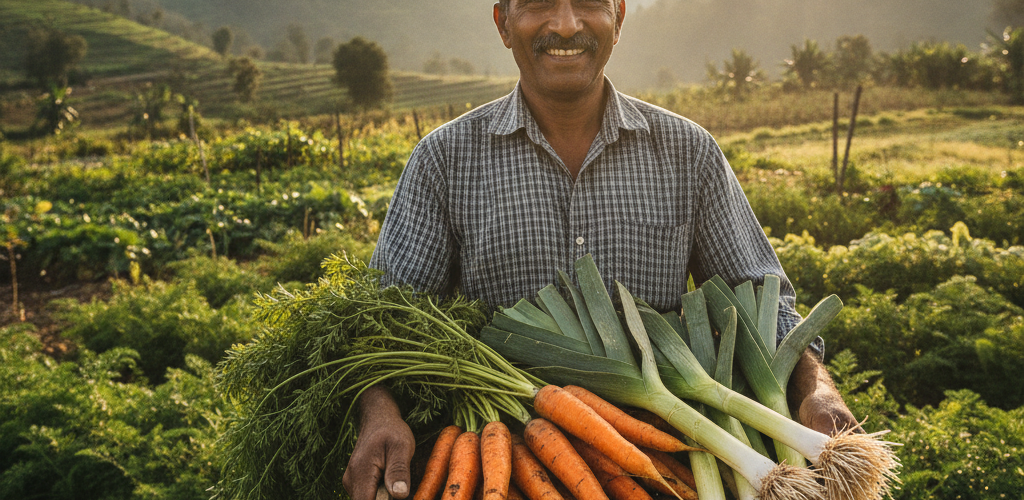
In the mist-covered highlands of Nuwara Eliya, a quiet revolution is taking root. For decades, the emerald slopes of Sri Lanka’s central province have been the nation’s vegetable basket, known for producing the crispest leeks, the most vibrant carrots, and the sweetest strawberries. However, the methods used to grow these crops are undergoing a profound transformation. Today, more Sri Lankan farmers are looking back to their ancestral roots and forward to a sustainable future by embracing organic farming.
The journey toward organic agriculture in Sri Lanka is not just a trend; it is a necessity driven by health concerns, environmental awareness, and a desire for food sovereignty. For many families in Colombo and beyond, the demand for “Wasa Wisa Nathi” (poison-free) food has never been higher. But what does this transition look like on the ground? What are the hurdles our farmers face, and what victories are they celebrating? Let’s take a deep dive into the state of organic farming in Sri Lanka.
The Catalyst for Change: From Chemicals to Compost
Sri Lanka has a long history of traditional agriculture that predates the “Green Revolution” of the 1960s. Historically, our ancestors used natural fertilizers like cow dung, green manure, and bone meal. However, the mid-20th century brought a heavy reliance on synthetic fertilizers and chemical pesticides to maximize yields. While this initially increased production, it came at a cost: depleted soil health, contaminated water sources, and rising health issues in farming communities.
The real turning point came in recent years when the government attempted a nationwide transition to organic farming in 2021. While the sudden policy shift presented significant logistical challenges, it sparked a permanent change in the mindset of both farmers and consumers. Today, the movement is more grassroots and gradual, focusing on sustainable transitions rather than overnight changes. Many farmers in the Nuwara Eliya district are now leading this charge, recognizing that the long-term health of their land depends on the biological health of the soil.
The Challenges: Why the Path to Organic Isn’t Easy
Transitioning from conventional to organic farming is a marathon, not a sprint. Sri Lankan farmers face several significant obstacles during this period:
1. The Initial Yield Gap
When a farm stops using synthetic urea and chemical boosters, the soil often goes through a period of “withdrawal.” For the first 2-3 years, crop yields can drop by 20% to 40% as the natural microbial life in the soil takes time to regenerate. For a small-scale farmer in Nuwara Eliya, this temporary dip in income can be devastating without proper support systems.
2. Pest and Disease Management
In the humid, cool climate of the hill country, pests like aphids and diseases like late blight are common. Without chemical sprays, farmers must rely on Integrated Pest Management (IPM). This includes using neem oil, garlic extracts, and planting “trap crops” to lure pests away. These methods are labor-intensive and require a deep understanding of local ecology that many younger farmers are only just relearning.
3. The Cost of Certification
To sell produce as “Certified Organic,” farmers must go through rigorous testing and documentation. For an individual farmer, the cost of international or even local organic certification can be prohibitive. This is where cooperatives and platforms like NunuFresh play a vital role, by connecting farmers who follow organic principles directly with consumers who value quality.
The Successes: A Brighter, Healthier Future
Despite the hurdles, the successes are beginning to bloom across the island. Here is where the organic movement is winning:
Restoring Soil Fertility
Farmers who have stuck with organic methods for over three years report a remarkable change in their land. The soil is darker, holds more water, and is teeming with earthworms. In Nuwara Eliya, this improved soil structure is crucial for preventing erosion on steep slopes during the heavy monsoon rains.
Better Market Prices and Healthier Families
Organic produce fetches a premium price in both local and export markets. More importantly, farmers themselves are the first beneficiaries of a chemical-free environment. There is a visible reduction in skin ailments and respiratory issues among farming families who have moved away from spraying toxic pesticides. When you buy from NunuFresh, you aren’t just getting fresh vegetables; you are supporting a ecosystem where the farmer’s health is as important as the consumer’s.
Biodiversity Revival
Organic farms in Sri Lanka are becoming havens for biodiversity. Bees, butterflies, and beneficial insects are returning to the fields of Nuwara Eliya. This natural balance helps in pollination and creates a more resilient agricultural system that can better withstand the effects of climate change.
The Role of Technology and Modern Logistics
One of the biggest historical barriers to organic success was the supply chain. Organic vegetables are often more delicate and have a shorter shelf life because they aren’t treated with synthetic preservatives. However, modern logistics have changed the game.
Platforms like NunuFresh utilize direct-from-farm sourcing and efficient delivery networks to ensure that produce harvested in the chilly morning air of Nuwara Eliya reaches doorsteps in the lowlands within 24 to 48 hours. This efficiency minimizes post-harvest loss—a major win for organic farmers who work so hard for every single harvest.
How You Can Support the Organic Movement
As a consumer, you hold the power to shape the future of Sri Lankan agriculture. Every time you choose an organic carrot or a bunch of chemical-free spinach, you are sending a signal to the market. You are telling the farmer in Nuwara Eliya that their hard work and their commitment to the earth are worth it.
Supporting organic isn’t just about your own health; it’s about the health of our island’s water, our soil, and our future generations. It’s about ensuring that the “Pearl of the Indian Ocean” remains fertile and vibrant for years to come.
Conclusion: A Shared Journey
The transition to organic farming in Sri Lanka is a story of resilience. It is the story of the Nuwara Eliya farmer who spends hours making liquid compost from local herbs, and the story of the mother in Colombo who wants the best for her children. While the challenges of yield gaps and pest control remain, the successes—healthier soil, safer food, and empowered farmers—show us that this is the only sustainable way forward.
Are you ready to taste the difference that organic care makes? At NunuFresh, we are proud to partner with dedicated farmers who are committed to sustainable practices. Explore our range of fresh, farm-to-table produce today and bring the goodness of Nuwara Eliya’s organic harvest into your kitchen.
Visit NunuFresh.lk to shop our latest selection of fresh, organic vegetables and experience the true taste of nature.