No products in the cart.
Fresh Produce Calendar: What’s in Season in Sri Lanka
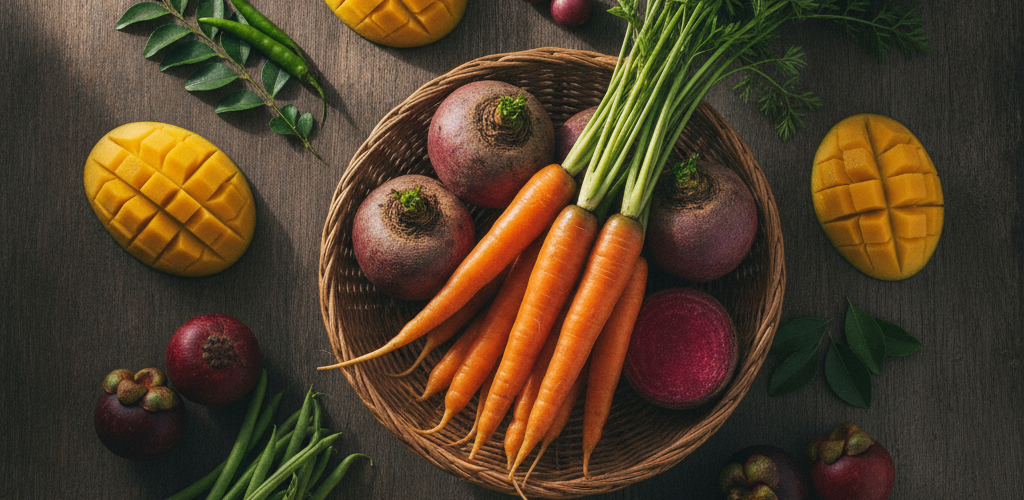
The Magic of Seasonal Eating in Sri Lanka
In the lush, tropical paradise of Sri Lanka, we are blessed with a climate that allows for a staggering variety of fruits and vegetables to grow year-round. However, any seasoned home cook or health enthusiast knows that not all produce is created equal throughout the year. There is a distinct difference in the crunch of a carrot or the sweetness of a mango when it is harvested at its natural peak. Eating seasonally isn’t just a culinary trend; it is a way of life that honors the rhythm of the land and ensures your family receives the highest nutritional value from every meal.
Understanding the seasonal calendar in Sri Lanka can be a bit complex due to our unique microclimates. While the coastal areas bask in tropical heat, the central highlands of Nuwara Eliya offer a temperate ‘Little England’ climate, perfect for cool-weather crops. By aligning your grocery list with the natural harvest cycles, you support local farmers, reduce your carbon footprint, and enjoy food that tastes exactly as nature intended. At NunuFresh, we specialize in bridging the gap between the mist-covered farms of Nuwara Eliya and your kitchen table, ensuring that seasonal freshness is never more than a click away.
Understanding Sri Lanka’s Agricultural Calendar: Maha and Yala
Sri Lankan agriculture is primarily governed by the monsoon seasons, which dictate two main cultivation cycles: the Maha season and the Yala season. Understanding these cycles is the first step to becoming a savvy seasonal shopper.
- Maha Season (October to March): Driven by the North-East monsoon, this is the main cultivation season for the entire island. It is the time when water is most abundant, leading to a massive harvest of rice and a wide variety of up-country and low-country vegetables.
- Yala Season (May to August): Driven by the South-West monsoon, this season is shorter and typically sees cultivation in areas where irrigation is available or where the monsoon rains are most consistent.
Because of these cycles, certain vegetables like pumpkins and gourds might be available year-round, but their quality and price fluctuate based on the peak harvest times within these seasons.
Month-by-Month Guide to Sri Lankan Produce
January – March: The Peak of the Maha Harvest
The beginning of the year is a time of abundance in Sri Lanka. As the Maha season reaches its zenith, the markets are flooded with fresh produce. This is the best time for ‘Up-country’ vegetables that thrive in the cooler weather of the previous months.
What to look for:
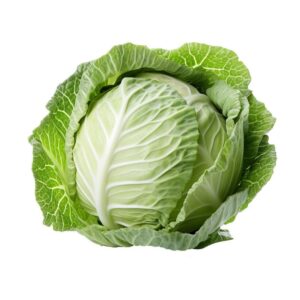
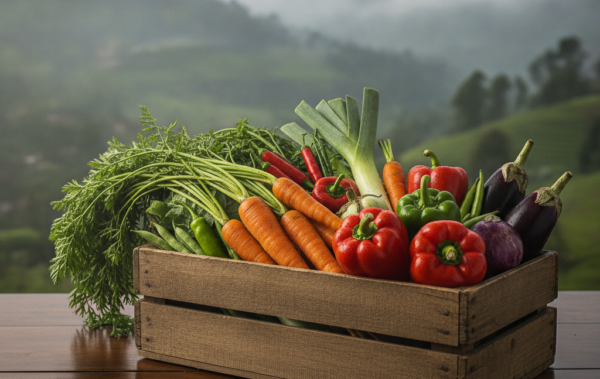
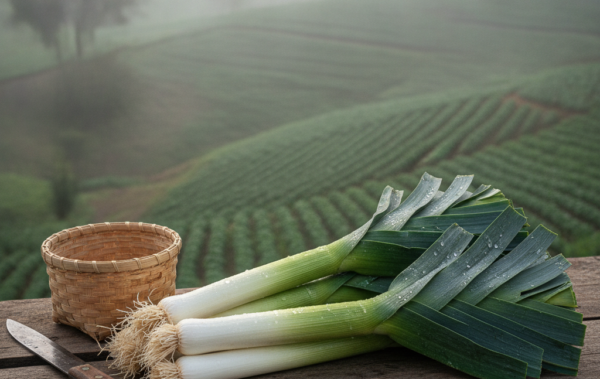
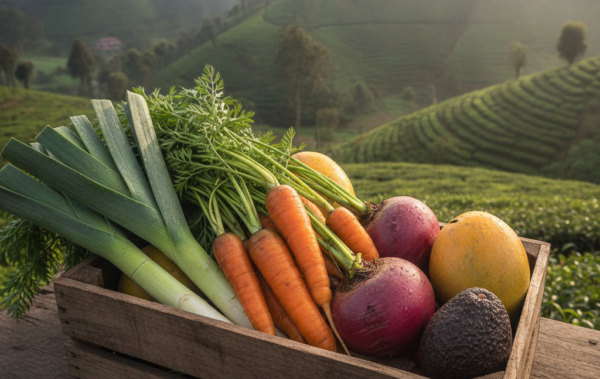
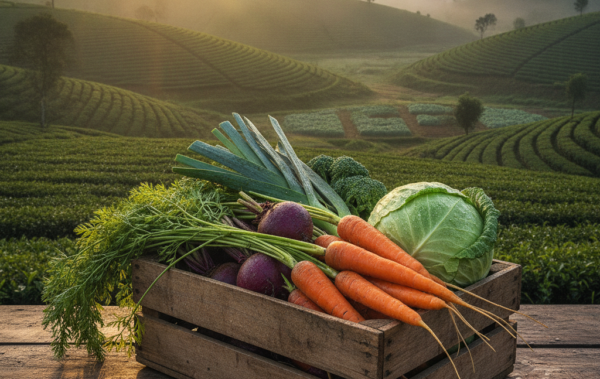
- Vegetables: Carrots, Leeks, Cabbage, and Beets from Nuwara Eliya are at their crispest. You will also find an abundance of Green Beans and Cauliflower.
- Fruits: This is the tail end of the wood apple season. It is also a fantastic time for Papaya and Guava, which remain relatively consistent but often peak in sweetness during the drier start of the year.
- Special Mention: Strawberries in Nuwara Eliya start to see a beautiful bloom during these months, offering a tart and sweet treat that is rare in the tropical lowlands.
April – June: The Arrival of Exotic Fruits
As the island transitions and the heat begins to rise before the Yala rains, the fruit trees across Sri Lanka begin to heavy with bounty. April, coinciding with the Sinhala and Tamil New Year, is a month of celebration and food.
What to look for:
- Vegetables: Exotic gourds like Snake Gourd (Pathola) and Bitter Gourd (Karawila) are plentiful. It’s also a great time for Okra (Bandakka) and Brinjals.
- Fruits: This is the beginning of the legendary Mango season. Look for Karthacolomban and Vellaicomban varieties. You will also start seeing the first Avocados of the year, which are rich, creamy, and perfect for salads or desserts.
- Nuwara Eliya Specials: Bell Peppers (Capsicums) in various colors are often at their best during this period, benefiting from the stable highland temperatures.
July – September: The Golden Months of Plenty
If you love tropical fruits, this is your favorite time of year. The Yala harvest brings a diverse range of produce to the table, and the ‘fruit belt’ of Sri Lanka (areas like Horana and Rambukkana) becomes a hub of activity.
What to look for:
- Vegetables: Pumpkins are widely available and incredibly sweet. You’ll also find plenty of Winged Beans (Dambala) and various types of leafy greens (Mallum leaves) like Mukunuwenna and Gotukola.
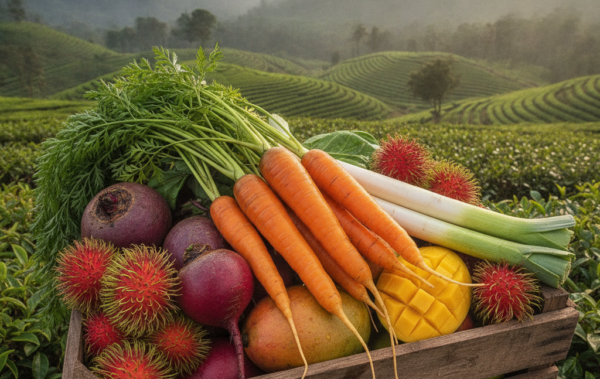
- Fruits: This is the peak for Rambutan, Mangosteen, and the ‘King of Fruits’—Durian. The markets are vibrant with the red husks of Rambutan and the deep purple of Mangosteen.
- Nuwara Eliya Specials: Exotic English vegetables like Broccoli and Celery thrive well in the highlands during these months, providing fresh options for those looking for international flavors grown locally.
October – December: Hearty Roots and Monsoon Greens
As the year winds down and the Maha rains begin, the focus shifts toward hardier vegetables and root crops that can withstand the wetter weather.
What to look for:
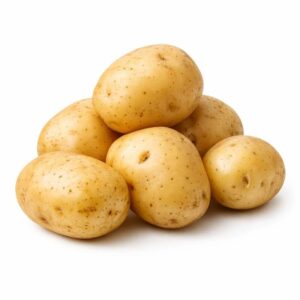
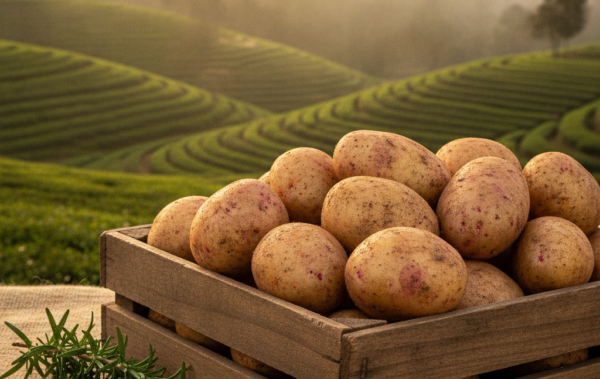
- Vegetables: Potatoes (especially the famous Nuwara Eliya potatoes) are harvested in bulk. Sweet Potatoes and Cassava are also excellent during this time. It is also a great season for Radishes and various types of Spinach.
- Fruits: Pineapples are available year-round, but they often see a peak in quality toward the end of the year. Citrus fruits like Mandarin oranges also start appearing in the highland regions.
- Special Mention: This is a great time to experiment with different varieties of local bananas, such as Ambul and Seeni, which provide essential vitamins during the flu-prone monsoon season.
Why Nuwara Eliya Produce is Unique
Nuwara Eliya occupies a special place in Sri Lanka’s agricultural heart. At an elevation of 1,889 meters, its cool climate and fertile soil allow for the cultivation of ‘temperate’ vegetables that simply cannot grow elsewhere on the island. When you buy produce from Nuwara Eliya, you are getting vegetables that have been grown in a unique ecosystem characterized by misty mornings and crisp air.
At NunuFresh, we work directly with small-holder farmers in this region who prioritize organic practices. By cutting out the middleman, we ensure that the Leeks, Carrots, and Salad Leaves you receive haven’t spent days in a humid warehouse. Instead, they are moved from the cool soil of Nuwara Eliya directly to your doorstep, preserving the nutrients and flavor that only seasonal, farm-fresh produce can offer.
The Benefits of Choosing Organic and Seasonal
Why should you care about the calendar? The benefits are three-fold:
- Nutritional Density: Plants have the most vitamins and minerals when they are allowed to ripen naturally on the vine or in the soil. Out-of-season produce is often harvested early and ripened chemically.
- Flavor Profile: A seasonal tomato or mango has a depth of flavor that ‘forced’ produce simply cannot match. The natural sugars and aromatic compounds develop fully only under the right seasonal conditions.
- Cost-Effectiveness: When a crop is in season, it is abundant. Simple economics means that seasonal produce is usually much more affordable than imported or out-of-season alternatives.
Conclusion: Bring the Season’s Best to Your Kitchen
Navigating the seasonal produce of Sri Lanka is a journey of color, flavor, and health. From the crisp highland vegetables of the Maha season to the succulent tropical fruits of the Yala harvest, there is always something extraordinary waiting to be discovered. By choosing to eat seasonally, you are making a choice that benefits your family’s health and supports the hardworking farming communities of our beautiful island.
Ready to taste the difference of true freshness? Explore the NunuFresh marketplace today to see what’s currently in season. From organic Nuwara Eliya vegetables to the finest local fruits, we deliver the best of Sri Lanka’s harvest directly to your home. Eat fresh, eat seasonal, and live better with NunuFresh.
Shop Fresh from NunuFresh
These products mentioned in this article are available for delivery: