No products in the cart.
Why Seasonal Produce is Better for Your Health & Wallet
The Magic of the Seasons: Why Eating Locally Matters
In a world where supermarket shelves look identical year-round, it is easy to forget that nature has its own rhythm. For generations, Sri Lankan families lived in harmony with the harvest, eating what the land provided during the Yala and Maha seasons. Today, however, the convenience of global supply chains often masks the true cost of ‘forever-available’ produce. Choosing to eat seasonal produce—especially the vibrant, nutrient-dense vegetables from the cool highlands of Nuwara Eliya—is not just a culinary trend; it is a powerful decision for your physical health, your household budget, and the planet.
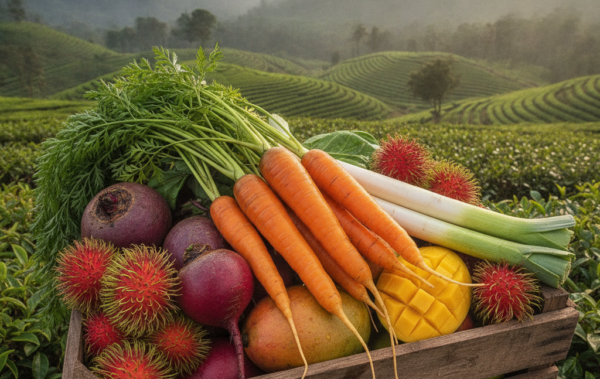
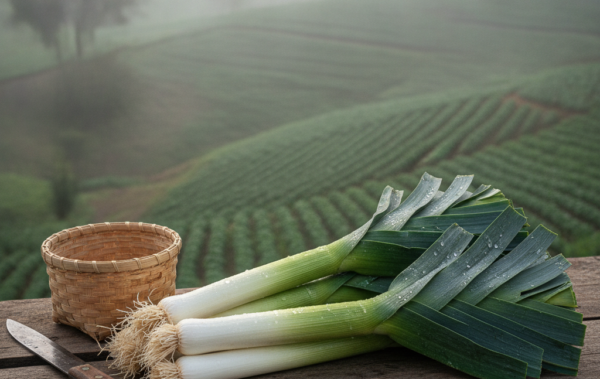
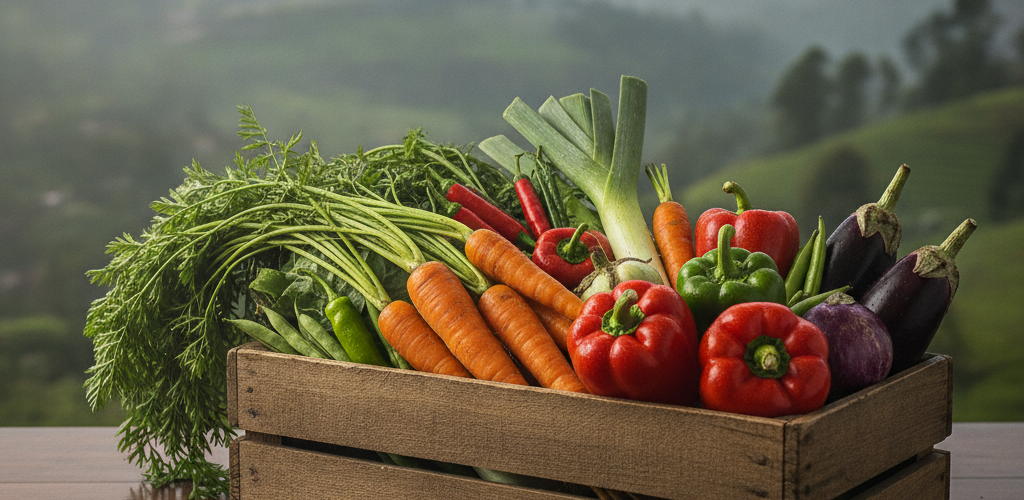
When we talk about seasonal produce, we refer to fruits and vegetables that are harvested at their natural peak of ripeness. In Sri Lanka, our unique microclimates mean that while the lowlands are basking in heat, the misty hills of Nuwara Eliya are producing world-class carrots, leeks, and bell peppers. By aligning our diets with these natural cycles, we tap into a system that has supported human health for millennia. In this guide, we will explore the science and economics behind seasonal eating and why sites like NunuFresh are revolutionizing how we access this bounty.
1. Maximum Nutritional Density
The most compelling reason to choose seasonal produce is the impact on your health. Plants get their nutrients from the sun and soil. When a vegetable is allowed to ripen naturally on the vine or in the earth and is consumed shortly after harvest, it retains its peak vitamin and mineral content. Research shows that certain nutrients, particularly Vitamin C and folate, begin to degrade the moment a plant is harvested.
The Science of Freshness
A study from the University of California, Davis, found that some vegetables can lose up to 50% to 90% of their Vitamin C content within 24 hours of being picked if they are stored at room temperature or transported over long distances. Produce that is ‘out of season’ often travels thousands of kilometers or sits in cold storage for weeks. By the time it reaches your table, it may look perfect, but its nutritional profile is a shadow of its former self. Seasonal produce from Nuwara Eliya, delivered quickly to your doorstep, ensures you are getting the full spectrum of antioxidants and phytonutrients that nature intended.
2. Unmatched Flavor and Culinary Quality
Have you ever noticed that a tomato in the off-season tastes watery and bland, whereas a sun-ripened one is bursting with sweetness? This is because produce grown out of season is often bred for durability and ‘shelf-life’ rather than flavor. It is picked while still green (unripe) so it doesn’t bruise during transport and is then artificially ripened using ethylene gas.
When you eat seasonally, you experience food at its most delicious. The crisp snap of a fresh Nuwara Eliya bean or the earthy sweetness of a freshly pulled carrot cannot be replicated by chemically treated, long-haul imports. For Sri Lankan home cooks, this means better-tasting curries, salads, and stir-fries with less effort. When the ingredients are high-quality, you don’t need heavy seasoning to make them shine.
3. Significant Savings for Your Wallet
It is a basic law of economics: supply and demand. When a particular crop is in season, it is abundant. Farmers have a surplus, and to move that stock quickly, prices drop. Conversely, when you buy a vegetable that is out of season, you are paying for the high costs of specialized greenhouse growing, expensive fertilizers, long-distance transportation, and cold storage electricity.
Reducing ‘Food Miles’
In Sri Lanka, the cost of fuel and logistics significantly impacts food prices. By choosing produce that is currently being harvested in regions like Nuwara Eliya, you bypass the ‘middleman’ costs associated with long-term storage and international shipping. Utilizing a direct-to-consumer platform like NunuFresh allows you to access these seasonal savings directly, ensuring that your grocery budget goes much further while still providing premium organic quality for your family.
4. Supporting Local Farmers and the Sri Lankan Economy
Every time you buy a seasonal vegetable, you are casting a vote for the local economy. Sri Lanka’s agricultural sector is the backbone of our nation, particularly in the central highlands. Farmers in Nuwara Eliya have mastered the art of growing temperate vegetables in a tropical country, but they face immense challenges from climate change and market volatility.
Buying seasonal produce ensures that your money goes back to these hardworking farming communities. It creates a stable demand for local crops, reducing the country’s reliance on expensive imports. This support helps maintain the traditional farming landscapes of the hill country and ensures that the next generation of Sri Lankan farmers can continue to provide for the nation.
5. Environmental Stewardship
The environmental cost of out-of-season produce is staggering. The carbon footprint of transporting produce across oceans or storing it in massive refrigerated warehouses for months contributes significantly to greenhouse gas emissions. Furthermore, growing plants outside their natural season often requires more intensive use of pesticides and synthetic fertilizers to mimic the ‘ideal’ conditions they are missing.
Seasonal eating is inherently more sustainable. It requires fewer chemical interventions and less energy for transport. By choosing organic, seasonal produce from local sources, you are protecting Sri Lanka’s biodiversity and soil health. It is a simple way to practice ‘green living’ every single day.
Understanding the Seasons in Sri Lanka
While Sri Lanka doesn’t have the four distinct seasons of temperate climates, we have the Yala (May to August) and Maha (September to March) monsoon seasons. These dictate the planting and harvesting cycles across the island.
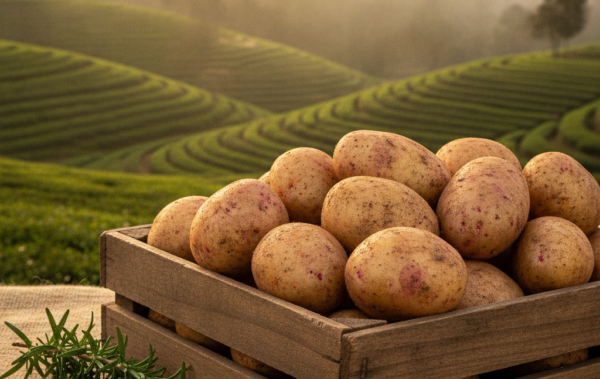
- Nuwara Eliya Specials: Due to its unique high-altitude climate, Nuwara Eliya acts as a year-round garden for ‘up-country’ vegetables. However, even here, certain crops like strawberries, exotic greens, and specific varieties of potatoes have peak windows where they are at their absolute best.
- Low-Country Staples: Pumpkins, brinjals, and okra thrive in the heat of the lowlands and are most abundant following the monsoon rains.
How to Transition to a Seasonal Diet
Switching to a seasonal diet doesn’t have to be complicated. Start by observing what is most plentiful at the market. If you see mountains of a particular vegetable at a low price, that is nature’s way of telling you it’s time to eat it!
Another excellent way to stay seasonal is to shop with NunuFresh. Because they source directly from Nuwara Eliya farms, their inventory naturally reflects what is currently in harvest. This takes the guesswork out of your shopping experience, ensuring that whatever arrives at your door is at its peak of freshness and nutritional value.
Conclusion: A Healthier Future, One Meal at a Time
Eating seasonally is a journey back to our roots. It is a commitment to nourishing our bodies with the freshest possible ingredients, protecting our hard-earned money, and honoring the land that sustains us. While the convenience of modern life offers many choices, the smartest choice remains the one that aligns with nature’s clock.
By prioritizing seasonal, organic produce from the fertile soils of Nuwara Eliya, you aren’t just making a meal; you’re making a difference for your health and your country. Ready to taste the difference that farm-fresh quality makes? Explore the seasonal selection at NunuFresh today and bring the best of the highlands directly to your kitchen.