No products in the cart.
Why Nuwara Eliya Vegetables Are Superior: Soil & Climate
The Magic of the Hills: Why Nuwara Eliya is Sri Lanka’s Kitchen Garden
In the heart of Sri Lanka’s central highlands, nestled among emerald tea estates and cascading waterfalls, lies Nuwara Eliya. Often referred to as ‘Little England’ due to its colonial architecture and cool climate, this region is far more than just a tourist destination. It is the lifeblood of Sri Lankan agriculture, particularly when it comes to ‘Up-country’ vegetables. But have you ever wondered why a carrot from Nuwara Eliya tastes sweeter, or why its leeks are more succulent than those grown elsewhere?
The answer lies in a perfect trifecta of unique soil composition, a temperate micro-climate, and a rich farming tradition that has been passed down through generations. For health-conscious Sri Lankan families, understanding these factors is key to making better choices for the dinner table. At NunuFresh, we see firsthand how these elements combine to produce vegetables that are not just food, but a source of vital nutrition.
The Climate Factor: Nature’s Natural Refrigerator
Most of Sri Lanka experiences a tropical climate, characterized by high temperatures and humidity. However, Nuwara Eliya sits at an elevation of approximately 1,868 meters (6,128 feet) above sea level. This altitude creates a temperate micro-climate where temperatures typically range between 10°C and 20°C.
Slow Growth for Maximum Flavor
In the lowlands, high heat forces plants to grow rapidly. While this leads to quick harvests, it often results in vegetables that are fibrous and less flavorful. In the cool air of Nuwara Eliya, the growth process is naturally slowed down. This slow maturation allows the plants to develop more complex sugars and concentrated nutrients. This is why Nuwara Eliya carrots are renowned for their distinct sweetness and crisp texture.
The Role of Mist and Humidity
The frequent mist and high humidity of the highlands act as a natural hydration system. This moisture keeps the produce turgid and fresh, preventing the wilting that often occurs in harsher climates. The gentle rainfall patterns ensure that the plants receive consistent hydration without the root rot often caused by tropical monsoons in flatter terrains.
The Soil Secret: Rich, Montane, and Mineral-Dense
If the climate is the architect of the vegetable’s flavor, the soil is its foundation. The earth in Nuwara Eliya is vastly different from the reddish-brown latosols found in the dry zones of Sri Lanka.
Organic Matter and Volcanic Origins
The soil in the central highlands is primarily ‘Red Yellow Podzolic’ soil. It is exceptionally rich in organic matter, accumulated over centuries from the surrounding forest canopies. This high humus content means the soil can retain nutrients more effectively, passing them directly into the vegetables we eat.
Natural Mineral Wealth
Because the region is mountainous, the soil is frequently replenished by mineral-rich runoff. These minerals—including potassium, magnesium, and calcium—are essential for human health. When you consume organic produce from this region, you aren’t just eating fiber; you are consuming a concentrated dose of the earth’s natural minerals. This is a primary reason why many Sri Lankan families prioritize sourcing their produce from the hills through trusted platforms like NunuFresh, which ensures the soil-to-table journey is as short as possible.
A Legacy of Tradition: The Human Element
Farming in Nuwara Eliya is not just an industry; it is a heritage. The tradition of growing ‘English’ vegetables (such as cabbage, leeks, beets, and potatoes) dates back to the 19th century. Over the last 150 years, local farming communities have mastered the art of hillside cultivation.
Terraced Farming and Soil Conservation
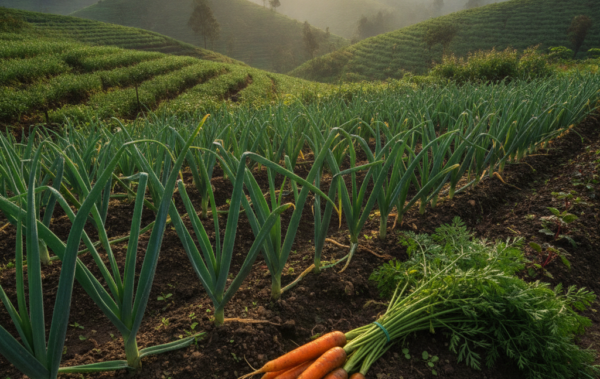
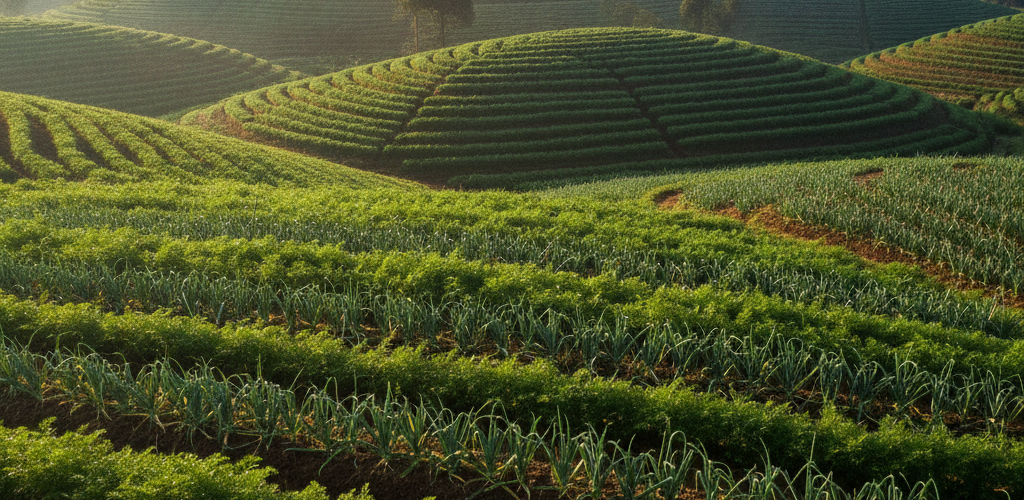
Walking through the valleys of Nuwara Eliya, you will see stunning terraced farms carved into the hillsides. This isn’t just for aesthetics; it is a sophisticated method of soil conservation. By creating steps, farmers prevent the rich topsoil from washing away during heavy rains. This traditional knowledge ensures that the land remains fertile decade after decade.
The Shift Toward Organic Practices
In recent years, there has been a significant movement among Nuwara Eliya farmers to return to traditional, organic methods. By reducing or eliminating synthetic pesticides and fertilizers, these farmers are protecting the delicate highland ecosystem. Organic farming in this region relies on natural compost and traditional pest control, resulting in produce that is safer for your children and better for the environment.
Nutritional Superiority: Why It Matters for Your Family
When we talk about ‘superior’ vegetables, we aren’t just talking about taste. We are talking about density. Scientific studies often show that vegetables grown in cooler climates with high-quality soil contain higher concentrations of antioxidants and vitamins.
- Vitamin C: The cool temperatures help preserve Vitamin C levels in leafy greens and cruciferous vegetables.
- Antioxidants: The slight environmental stress of the cool mountain air triggers plants to produce more phytonutrients to protect themselves—nutrients that then protect us from chronic diseases.
- Bioavailability: Because the soil is mineral-rich, the plants have a higher uptake of essential elements, making the nutrients more ‘bioavailable’ (easier for our bodies to absorb).
From the Farm to Your Door: The NunuFresh Promise
The main challenge for many Sri Lankans living in Colombo or the suburbs has always been access. By the time Nuwara Eliya vegetables reach traditional wholesale markets and then retail shelves, they have often spent days in transport, losing their crispness and nutritional value.
This is where the modern tradition meets technology. By sourcing directly from the farmers of Nuwara Eliya, NunuFresh eliminates the middleman. This ensures that the ‘superiority’ we’ve discussed—the flavor of the soil and the freshness of the climate—is preserved until the moment it reaches your kitchen. Supporting these local organic farmers also ensures that the tradition of highland farming can continue for generations to come.
Conclusion
Nuwara Eliya is truly a gift to Sri Lanka. Its unique combination of high-altitude chill, mineral-dense soil, and the dedicated hands of local farmers creates produce that is world-class. When you choose vegetables from this region, you are choosing more than just a side dish; you are choosing a legacy of health, flavor, and sustainability.
Ready to experience the difference that the Nuwara Eliya climate and soil make? Explore the wide selection of fresh, organic produce at NunuFresh today and bring the wholesome goodness of the hills directly to your family’s table.
Shop Fresh from NunuFresh
These products mentioned in this article are available for delivery: