No products in the cart.
Organic Pumpkin Farming in Nuwara Eliya: A High-Altitude Guide
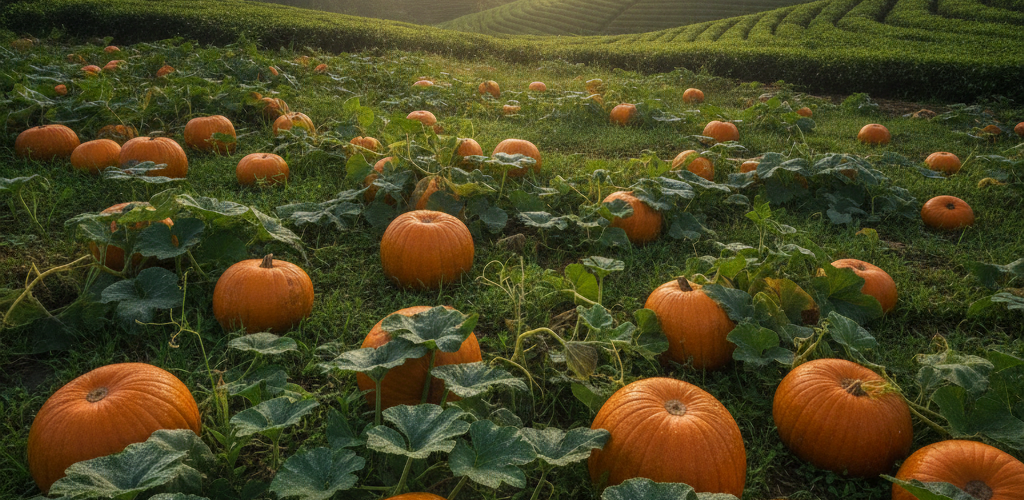
The Emerald Hills and the Golden Harvest
Nuwara Eliya, often referred to as ‘Little England,’ is world-renowned for its mist-covered tea estates and cool, temperate climate. However, beyond the tea bushes lies a burgeoning movement that is redefining Sri Lankan agriculture: organic high-altitude farming. While pumpkins are traditionally associated with the dry zones of Sri Lanka, such as Anuradhapura and Monaragala, a new wave of organic farmers in the central highlands is proving that these golden gourds can thrive at nearly 2,000 meters above sea level.
Growing pumpkins in the unique microclimate of Nuwara Eliya presents both challenges and extraordinary rewards. The result is a produce that is denser, sweeter, and packed with the untainted nutrients of the highland soil. At NunuFresh, we witness firsthand how these sustainable practices result in superior vegetables that travel from the misty farms directly to your kitchen table.
Why High-Altitude Organic Farming is Different
Farming at high altitudes (above 1,500 meters) is vastly different from lowland agriculture. The air is thinner, the UV radiation is stronger, and the temperature fluctuations between day and night are more pronounced. For a pumpkin, these conditions act as a natural stressor that, when managed correctly, enhances the vegetable’s natural sugars and nutrient density.
The Role of Pristine Soil
Nuwara Eliya’s soil is rich in organic matter, often characterized by its dark, loamy texture. In organic farming, the goal is to feed the soil, not just the plant. Farmers use a combination of well-rotted cow manure, poultry litter, and composted vegetable waste. This creates a living ecosystem of microbes that help the pumpkin vines absorb minerals more efficiently.
The Climate Factor
The cool temperatures of the central highlands slow down the growth rate of the pumpkin. While a lowland pumpkin might reach maturity quickly, a Nuwara Eliya organic pumpkin takes its time. This slower maturation process allows the fruit to develop a thicker flesh and a more concentrated flavor profile, making it a favorite for traditional Sri Lankan curries and modern soups alike.
The Organic Methodology: From Seed to Harvest
Organic farming in Sri Lanka is more than just avoiding chemicals; it is a holistic approach to land management. To successfully grow pumpkins at high altitudes without synthetic fertilizers or pesticides, farmers employ several traditional and scientific techniques.
- Crop Rotation: Farmers never plant pumpkins in the same plot two seasons in a row. This prevents the buildup of soil-borne diseases and ensures the soil remains balanced in its nutrient profile.
- Natural Pest Management: Instead of toxic sprays, organic farmers use neem oil extracts, wood ash, and yellow sticky traps to manage pests like the fruit fly or aphids. In the cool climate of Nuwara Eliya, fungal diseases like powdery mildew are a risk, which farmers manage through proper spacing and natural sulfur-based sprays.
- Water Conservation: The misty environment of Nuwara Eliya provides significant moisture, but organic farmers often use mulch—layers of dried straw or leaves—to keep the roots cool and moist, reducing the need for intensive irrigation.
The Nutritional Powerhouse: Why Your Family Needs Organic Pumpkin
When you choose organic produce from Nuwara Eliya, you aren’t just supporting the environment; you are investing in your family’s health. Pumpkin is a staple in the Sri Lankan diet for a reason. It is incredibly versatile and nutritionally dense.
Rich in Vitamin A and Antioxidants
Pumpkins are one of the best sources of Beta-carotene, which the body converts into Vitamin A. This is essential for eye health, immune function, and skin integrity. Organic varieties grown in the highlands have been shown to contain higher concentrations of these vital antioxidants compared to commercially grown counterparts.
A Fiber-Rich Superfood
For Sri Lankan families looking to maintain a healthy weight and digestive system, pumpkin is an ideal choice. It is low in calories but high in dietary fiber, helping you feel full longer. Whether it’s a creamy Wattakka Kalu Pol curry or a simple boiled snack, the fiber content remains a key benefit.
Challenges Faced by Highland Organic Farmers
It isn’t always easy for the farmers who supply NunuFresh. The high-altitude environment can be unpredictable. Heavy monsoon rains can lead to soil erosion if not managed with stone terracing. Furthermore, the lack of synthetic growth boosters means the yield might be lower than conventional farms. However, the premium quality and the lack of chemical residues make it a trade-off worth making for the health-conscious consumer.
The Economic and Environmental Impact
By choosing organic pumpkins from Nuwara Eliya, consumers are directly contributing to the preservation of Sri Lanka’s central watersheds. Conventional farming often leads to chemical runoff that pollutes the very streams that provide water to the rest of the island. Organic farming keeps these water sources pure.
Furthermore, it supports a fair-trade economy for local farmers. Organic certification and the specialized knowledge required for high-altitude farming allow farmers to earn a better living, ensuring that the next generation of Sri Lankans stays interested in agriculture.
Bringing the Farm to Your Table
The journey of an organic pumpkin from a terraced farm in Nuwara Eliya to a home in Colombo or Kandy is a testament to modern logistics meeting traditional values. At NunuFresh, we prioritize this speed and care, ensuring that the ‘crunch’ and ‘sweetness’ of the highland harvest are preserved during transit.
How to Identify a Quality Organic Pumpkin
When your organic pumpkin arrives, look for a heavy feel relative to its size and a matte, tough skin. A deep orange color inside indicates a high concentration of nutrients. Because they are organic, they may not always look ‘perfect’ on the outside, but the flavor and safety they provide are unparalleled.
Conclusion: A Greener Future for Sri Lanka
Organic pumpkin farming in Nuwara Eliya is a shining example of how we can work with nature rather than against it. It proves that even in challenging high-altitude conditions, sustainable methods can produce food that is delicious, nutritious, and safe for our children. By supporting these organic initiatives, we are protecting our soil, our water, and our heritage.
Ready to taste the difference of true highland produce? Explore the wide selection of fresh, organic vegetables available at NunuFresh and have the best of Nuwara Eliya delivered directly to your doorstep. From our farms to your family, we bring you the purity of nature in every bite.