No products in the cart.
Lettuce Nutrition Guide: Vitamins, Minerals, and Health Benefits
Why Lettuce is More Than Just a Garnish
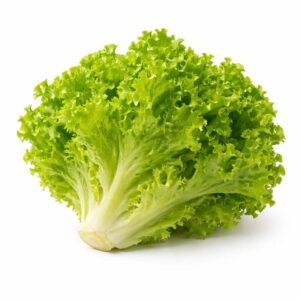
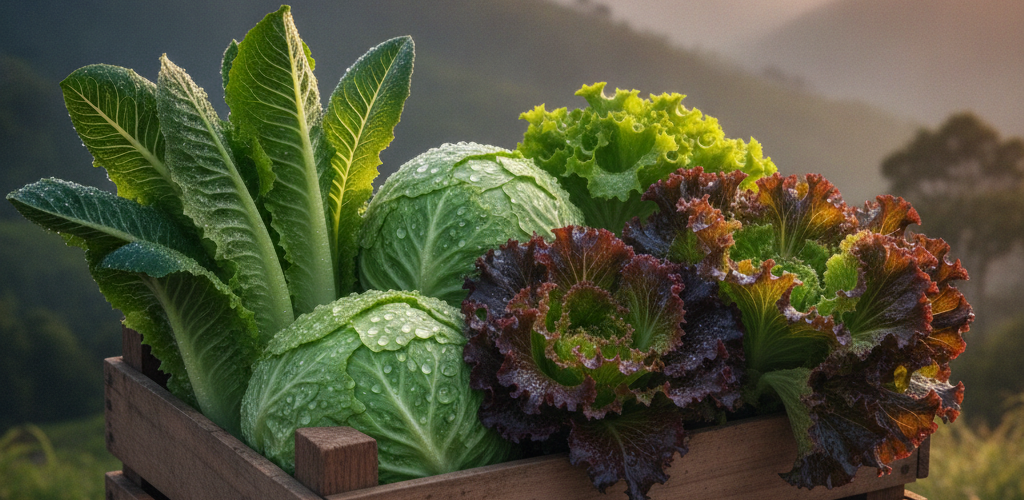
For many Sri Lankan families, lettuce was once seen merely as a decorative leaf at the edge of a plate or a crunch factor in a sandwich. However, as we become more health-conscious, this humble leafy green is taking center stage in our kitchens. Grown in the cool, misty highlands of Nuwara Eliya, lettuce is a nutritional powerhouse that offers far more than just a refreshing crunch.
In this comprehensive guide, we will explore the deep nutritional profile of lettuce, the specific vitamins and minerals it provides, and the science-backed health benefits of including it in your daily diet. Whether you prefer the crispness of Iceberg or the nutrient density of Romaine, understanding what goes into your salad bowl is the first step toward a healthier lifestyle.
The Nutritional Profile of Lettuce: A Vitamin Powerhouse
Lettuce is often criticized for its high water content, with some skeptics claiming it has no real nutritional value. This couldn’t be further from the truth. While lettuce is indeed hydrating (it is about 95% water), the remaining 5% is packed with essential micronutrients that are vital for bodily functions.
Vitamin K: The Bone Builder
Perhaps the most significant nutrient found in lettuce is Vitamin K. Just one cup of chopped Romaine lettuce can provide over 50% of your daily recommended intake. Vitamin K plays a crucial role in bone metabolism by increasing bone mineral density and working alongside calcium to keep your skeletal system strong. For aging adults in Sri Lanka, where osteoporosis is a concern, regular consumption of Vitamin K-rich greens is a natural way to support bone health.
Vitamin A and Beta-Carotene
Darker leafy greens, such as Red Leaf and Romaine, are excellent sources of Vitamin A in the form of beta-carotene. This powerful antioxidant is essential for maintaining healthy vision, especially night vision, and supporting a robust immune system. In the tropical climate of Sri Lanka, where our eyes are often exposed to harsh UV rays, Vitamin A helps protect the retina and maintains the integrity of our skin.
Folate (Vitamin B9)
Folate is a B-vitamin that is critical for DNA synthesis and the formation of red blood cells. It is particularly important for pregnant women to prevent neural tube defects. Adding fresh lettuce to your meals is an easy way to boost your folate intake naturally. When you source produce from NunuFresh, you are getting greens that have been harvested at peak maturity, ensuring the folate levels remain high when they reach your table.
Key Minerals for Your Body
Beyond vitamins, lettuce absorbs a variety of minerals from the rich, volcanic-influenced soils of the Nuwara Eliya central highlands. These minerals are essential for electrolyte balance and metabolic health.
Potassium and Heart Health
Potassium is a vital mineral that helps regulate heart rhythm and counteracts the effects of sodium in the diet. Many traditional Sri Lankan dishes can be high in salt; therefore, consuming potassium-rich lettuce can help maintain healthy blood pressure levels. Potassium also aids in muscle contraction and prevents cramps, making it a great addition for those with active lifestyles.
Manganese and Iron
While not as high in iron as spinach, lettuce still contributes to your daily mineral requirements. It contains manganese, which is a cofactor for many enzymes involved in bone formation and blood sugar regulation. These trace minerals are often more concentrated in organic produce, where the soil health is prioritized through sustainable farming practices.
The Health Benefits of Eating Fresh Lettuce Regularly
Incorporating a variety of lettuce types into your diet offers a range of systemic health benefits that go beyond basic nutrition.
1. Exceptional Hydration
In the humid climate of Sri Lanka, staying hydrated is a constant challenge. Eating lettuce is an effective way to supplement your water intake. Because the water in lettuce is structured with minerals and vitamins, it is absorbed slowly by the body, providing sustained hydration throughout the day.
2. Weight Management and Digestive Health
Lettuce is incredibly low in calories—roughly 15 calories per 100 grams—making it the ultimate volume food for those looking to manage their weight. Furthermore, the dietary fiber in lettuce promotes healthy digestion and prevents constipation. By filling up on a large salad before a heavy rice and curry meal, you can naturally reduce your overall calorie intake while improving gut motility.
3. Powerful Antioxidants and Anti-Inflammatory Properties
Lettuce contains various phytonutrients, including phenols and flavonoids, which act as antioxidants. These compounds help neutralize free radicals in the body, reducing oxidative stress and lowering the risk of chronic diseases such as heart disease and certain cancers. Research has shown that the darker the leaf, the higher the antioxidant capacity, which is why experts recommend mixing different varieties of lettuce in your meals.
4. Heart Health Protection
The combination of Vitamin C and beta-carotene in lettuce helps prevent the oxidation of cholesterol. When cholesterol becomes oxidized, it builds up in the arteries as plaque. By preventing this process, lettuce contributes to clearer arteries and a healthier cardiovascular system.
Why Nuwara Eliya Lettuce is Superior
The quality of lettuce is heavily dictated by the environment in which it grows. Nuwara Eliya, often referred to as ‘Little England’ due to its cool climate, provides the perfect conditions for temperate vegetables. Lettuce thrives in temperatures between 15°C and 20°C; any hotter, and the leaves become bitter and ‘bolt’ (go to seed).
Because the air is crisp and the water sources are pure in the highlands, the lettuce grown here is sweeter, crunchier, and holds its nutrients longer. At NunuFresh, we work directly with farmers in this region who utilize organic methods, ensuring that your greens are free from harmful synthetic pesticides that can strip away the natural health benefits of the plant.
Organic vs. Conventional: Making the Right Choice
When it comes to leafy greens, the method of farming matters immensely. Lettuce has a large surface area and no thick skin to protect it, meaning it can easily absorb chemical residues from conventional pesticides. Choosing organic lettuce ensures that you are not ingesting toxins along with your vitamins. Organic farming also focuses on soil health, which directly correlates to the mineral density of the vegetable. A head of lettuce grown in nutrient-rich organic soil will always be more beneficial for your family than one grown in depleted soil with chemical fertilizers.
How to Store Lettuce in the Sri Lankan Climate
To maximize the nutrition you get from your lettuce, proper storage is key. The heat and humidity of Sri Lanka can cause lettuce to wilt and lose its Vitamin C content quickly. Here are a few tips:
- Wash and Dry: Wash your lettuce in cold water and use a salad spinner or clean towel to dry it thoroughly. Excess moisture leads to rot.
- Air Circulation: Store lettuce in a breathable container or a perforated plastic bag in the refrigerator’s crisper drawer.
- Keep Away from Fruit: Do not store lettuce near ethylene-producing fruits like bananas or papayas, as this will cause the leaves to turn brown and decay faster.
Creative Ways to Enjoy Lettuce in Sri Lankan Meals
You don’t have to stick to basic salads! Try these ideas to incorporate more lettuce into your family’s diet:
- Lettuce Wraps: Use large Romaine or Butterhead leaves as a substitute for tortillas or rotis. Fill them with spicy devilled chicken or a chickpea stir-fry.
- Green Smoothies: Blend mild-tasting lettuce like Iceberg or Butterhead into your fruit smoothies for a hidden nutrient boost.
- Quick Stir-fry: In some Asian cuisines, lettuce is lightly sautéed with garlic and ginger for a warm, crunchy side dish.
- Sri Lankan ‘Mallum’ Style: While unconventional, finely shredded lettuce can be tossed with fresh coconut and lime for a refreshing twist on a traditional mallum.
Conclusion: A Greener Path to Health
Lettuce is a versatile, hydrating, and nutrient-dense vegetable that deserves a permanent spot in your refrigerator. From supporting bone health with Vitamin K to protecting your heart with antioxidants, the benefits are undeniable. By choosing fresh, organic produce grown in the ideal climate of Nuwara Eliya, you are ensuring that your family receives the highest quality nutrition possible.
Ready to upgrade your health? Explore the wide variety of fresh, organic lettuce and other farm-to-table produce available at NunuFresh. We deliver the best of Nuwara Eliya directly to your doorstep, ensuring peak freshness and maximum nutrition in every bite.
Shop Fresh from NunuFresh
These products mentioned in this article are available for delivery: