No products in the cart.
Why Zucchini Is a Superfood: Science-Backed Health Benefits
Introduction to the Green Wonder
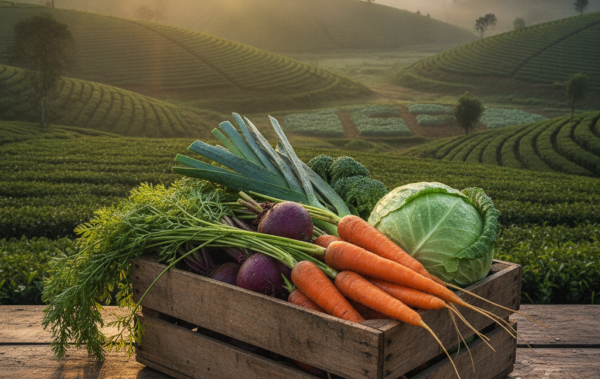
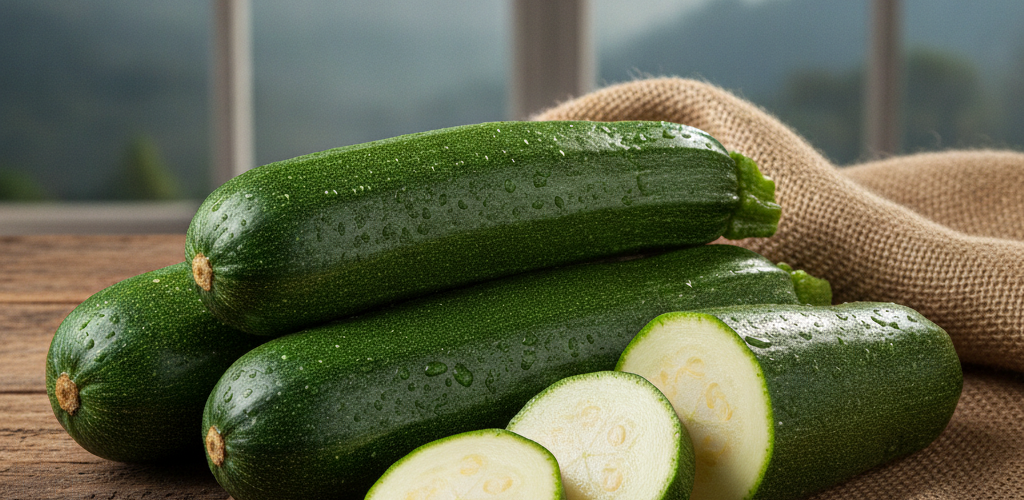
In the mist-shrouded hills of Nuwara Eliya, where the soil is rich and the air is crisp, a versatile green vegetable is quietly claiming its title as a nutritional powerhouse. Zucchini, also known as courgette, may look like a simple relative of the cucumber, but it is packed with an extraordinary range of vitamins, minerals, and antioxidants. For Sri Lankan families looking to improve their health without sacrificing flavor, zucchini offers a refreshing and nutrient-dense addition to any meal.
While zucchini was once considered an exotic vegetable in Sri Lanka, it has now become a staple in local markets. However, not all zucchini is created equal. The zucchini grown in the temperate climate of Nuwara Eliya is particularly prized for its firm texture and delicate flavor. In this article, we will dive deep into the science-backed health benefits of this superfood and explore why it deserves a permanent spot in your kitchen.
The Nutritional Profile of Zucchini
Before exploring the specific health benefits, it is essential to understand what makes zucchini a ‘superfood.’ Nutritionally, zucchini is a heavyweight that carries very few calories. One cup (approximately 223 grams) of cooked zucchini contains:
- Calories: 17
- Protein: 1 gram
- Fat: Less than 1 gram
- Carbohydrates: 3 grams
- Fiber: 1 gram
- Vitamin A: 40% of the Daily Value (DV)
- Manganese: 16% of the DV
- Vitamin C: 14% of the DV
- Potassium: 13% of the DV
- Magnesium: 10% of the DV
- Vitamin K: 9% of the DV
Its high Vitamin A content, particularly when cooked, supports vision and the immune system. Furthermore, zucchini is rich in antioxidants—beneficial plant compounds that protect your body from damage by free radicals.
1. Promotes Healthy Digestion
One of the most significant benefits of zucchini is its ability to support a healthy gut. Zucchini is approximately 95% water, which is crucial for hydration and smooth digestion. Proper hydration softens stool, making it easier to pass and reducing the risk of constipation.
Moreover, zucchini contains both soluble and insoluble fiber. Insoluble fiber adds bulk to your stool and helps food move through the gut more efficiently. Soluble fiber, on the other hand, feeds the beneficial bacteria in your gut. These ‘good’ bacteria produce short-chain fatty acids (SCFAs) that nourish the cells of your intestines, potentially reducing inflammation and symptoms of gut disorders like IBS (Irritable Bowel Syndrome).
The Role of Fiber in the Sri Lankan Diet
In a traditional Sri Lankan diet, which often includes rice and various curries, adding a high-fiber vegetable like zucchini can help balance the glycemic load of the meal and ensure long-term digestive health.
2. Supports Heart Health
Science consistently shows that diets rich in fruits and vegetables lower the risk of heart disease. Zucchini contributes to heart health in several ways. Firstly, its high fiber content—specifically pectin, a type of soluble fiber—has been shown to reduce ‘bad’ LDL cholesterol levels.
Secondly, zucchini is an excellent source of potassium. Potassium helps manage blood pressure by dilating blood vessels and counteracting the effects of excess sodium. Maintaining healthy blood pressure is one of the most effective ways to prevent strokes and heart attacks. Choosing organic produce, such as the vegetables delivered by NunuFresh, ensures that you are getting these minerals without the interference of harmful synthetic pesticides.
3. Improves Eye Health
Zucchini is rich in Vitamin C and beta-carotene, two nutrients vital for eye health. However, its real secret weapons are the antioxidants lutein and zeaxanthin. Research suggests that these compounds accumulate in the retina, where they filter out blue light wavelengths and protect eye cells from oxidative damage.
Regular consumption of zucchini may reduce the risk of age-related macular degeneration and cataracts, which are leading causes of vision loss. For the older generation in Sri Lankan households, incorporating zucchini into daily meals is a delicious way to protect their sight.
4. Aids in Blood Sugar Control
For the millions of Sri Lankans managing Type 2 diabetes or looking to prevent it, zucchini is a dream ingredient. Because it is very low in carbohydrates and high in fiber, it prevents the rapid insulin spikes that occur after eating high-carb meals. Fiber slows down the absorption of sugar into the bloodstream, keeping blood sugar levels stable.
In many modern recipes, zucchini is used as a ‘low-carb’ substitute for pasta (often called ‘zoodles’). While we love our Sri Lankan noodles, substituting half of your noodle portion with spiralized zucchini can significantly reduce the caloric and carbohydrate density of your meal while adding a nutritional boost.
5. Weight Management and Hydration
Zucchini is a low-energy-density food. This means it provides a large volume of food for very few calories. This allows you to eat a satisfying portion size while keeping your total calorie intake low, which is the cornerstone of sustainable weight loss. The high water and fiber content also promote satiety—the feeling of being full—preventing overeating during meal times.
The Nuwara Eliya Advantage: Why Quality Matters
In Sri Lanka, the quality of your vegetables depends heavily on where and how they are grown. Zucchini thrives in the cool, temperate climate of Nuwara Eliya. The high altitude and fertile soil result in produce that is more nutrient-dense and flavorful than varieties grown in warmer, lowland regions.
Furthermore, the shift toward organic farming in these regions means that the zucchini is grown without harsh chemical fertilizers. When you consume organic zucchini, you are getting the purest form of the vegetable, with its antioxidant profile intact. This is why sourcing from dedicated providers like NunuFresh is so important; it bridges the gap between the pristine farms of the hill country and your dinner table in Colombo or elsewhere in the island.
How to Enjoy Zucchini in Your Sri Lankan Kitchen
Zucchini is incredibly versatile and can be adapted to local palates easily. Here are a few ways to prepare it:
- Zucchini ‘Thel Dala’: Slice zucchini into rounds and temper them with onions, green chilies, curry leaves, and a hint of turmeric and chili flakes.
- Zucchini in Coconut Milk: Add diced zucchini to a mild white curry base (kiri hodi) for a creamy, nutritious side dish.
- Grilled Zucchini: Simply brush with olive oil and salt, and grill it alongside your protein for a smoky, healthy addition to dinner.
- Zucchini Sambol: Finely grate raw zucchini and mix with shredded coconut, lime, and red onions for a refreshing twist on traditional sambols.
Conclusion: A Superfood for Every Sri Lankan Table
Zucchini is much more than just a ‘diet food.’ It is a nutrient-dense, heart-healthy, and digestion-friendly superfood that is perfectly suited for the Sri Lankan lifestyle. Whether you are looking to manage your weight, protect your vision, or simply add more variety to your family’s meals, zucchini is an excellent choice.
By choosing fresh, high-quality produce grown in the heart of Nuwara Eliya, you ensure that your family receives the maximum health benefits this vegetable has to offer. It is time to embrace this green wonder and make it a regular part of your healthy living journey.
Ready to experience the freshness of the hills? Explore our selection of farm-fresh, organic zucchini and other premium produce at NunuFresh. We deliver the best of Nuwara Eliya directly to your doorstep, ensuring your family eats healthy, every single day.