No products in the cart.
Building a Healthy Diet with Organic Produce on a Budget
The Growing Importance of Organic Produce in Sri Lanka
In recent years, Sri Lankan households have become increasingly conscious of what goes onto their dinner tables. From the bustling streets of Colombo to the quiet suburbs of Kandy, the conversation around food safety and nutrition has shifted towards organic alternatives. While the desire to eat healthily is universal, a common misconception persists: that eating organic is a luxury reserved for the affluent. However, building a nutrient-dense diet with fresh, organic produce is not only possible on a budget but is also one of the most significant investments you can make for your long-term health.
Sri Lanka has a rich agricultural heritage, particularly in the central highlands. The mist-covered hills of Nuwara Eliya, often referred to as ‘Little England,’ provide the perfect temperate climate and fertile soil for high-quality vegetable cultivation. By understanding how to navigate the local market and prioritizing seasonal harvests, Sri Lankan families can enjoy the ‘Nuwara Eliya freshness’ without breaking the bank.
Why Choose Organic? The Nuwara Eliya Advantage
Organic farming avoids the use of synthetic pesticides, herbicides, and chemical fertilizers. Research suggests that organic crops often contain higher levels of antioxidants and certain vitamins compared to their conventionally grown counterparts. In the context of Sri Lanka, where traditional farming methods are being revitalized, organic produce represents a return to nature.
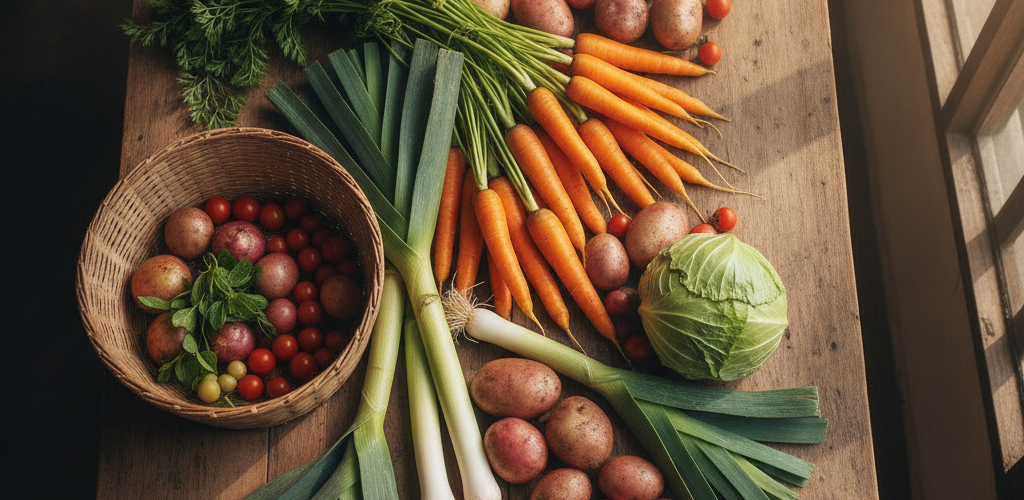
Vegetables grown in Nuwara Eliya, such as carrots, leeks, potatoes, and cabbage, benefit from the high altitude and unique microclimate. When these are grown organically, they retain their natural flavor profile and structural integrity. For a family on a budget, the value of organic produce isn’t just in the lack of chemicals; it’s in the nutrient density. You often need to consume less to feel satiated and nourished because the food is packed with the essential minerals your body craves.
Strategies for Building a Healthy Diet on a Budget
Transitioning to an organic lifestyle doesn’t require a total overhaul of your finances. It requires strategy. Here are several ways to incorporate fresh, chemical-free produce into your daily meals affordably.
1. Eat with the Seasons
One of the golden rules of budget-friendly healthy eating is following the natural harvest cycles. In Sri Lanka, certain vegetables thrive during specific months. When a vegetable is in season, the supply is high, and the price naturally drops. For instance, during the peak harvest seasons in Nuwara Eliya, you will find that exotic vegetables like bell peppers or broccoli become much more affordable. By planning your meals around what is currently being harvested, you can save up to 30% on your monthly grocery bill.
2. Prioritize the ‘Dirty Dozen’
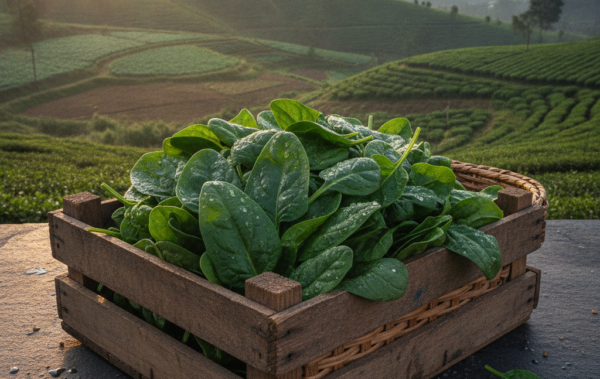
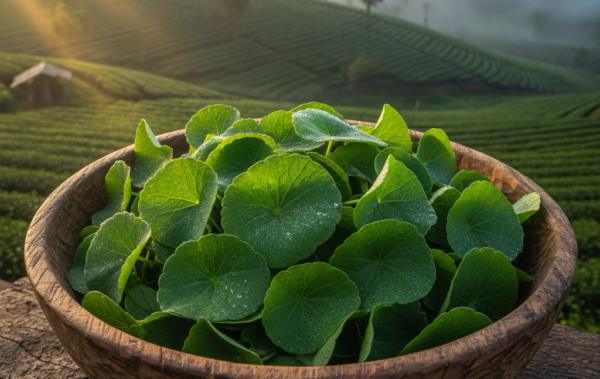
If you cannot afford to buy everything organic, focus your budget on the produce that typically carries the highest pesticide load. Internationally, this is known as the ‘Dirty Dozen.’ In a Sri Lankan context, this often includes thin-skinned vegetables and leafy greens like Gotukola, Mukunuwenna, and tomatoes. Conversely, fruits and vegetables with thick skins, like pumpkins or pineapples, are generally safer to buy from conventional sources if your budget is tight, as the edible portion is protected from direct spray.
3. Buy Directly from the Source
Eliminating the middleman is perhaps the most effective way to reduce costs. Traditional supply chains in Sri Lanka involve multiple intermediaries, each adding a markup to the price. By sourcing directly from farm-to-table platforms, you ensure that the farmers get a fair price while you receive the freshest possible product. Marketplaces like NunuFresh bridge this gap, bringing produce directly from Nuwara Eliya farms to your doorstep, ensuring that the ‘freshness’ isn’t lost during long storage periods in wholesale warehouses.
4. Reduce Food Waste through Proper Storage
Statistics show that nearly one-third of the food produced globally is wasted. In many Sri Lankan homes, fresh vegetables are often thrown away because they wilt before they can be used. Organic produce, being free of synthetic preservatives, requires proper care. Store your Nuwara Eliya carrots in a cool, dry place, and keep leafy greens wrapped in a damp cloth in the refrigerator. By extending the life of your produce, you are effectively stretching your budget.
The Nutritional Powerhouse: Nuwara Eliya Staples
Focusing on high-yield, high-nutrition staples from the highlands can help you maintain a balanced diet. Here are a few budget-friendly organic powerhouses:
- Nuwara Eliya Potatoes: Unlike imported varieties, local organic potatoes are rich in potassium and Vitamin C. They are filling and versatile, making them a great base for many Sri Lankan curries.
- Carrots: Organic carrots from the hills are noticeably sweeter and denser in beta-carotene. Use them in salads, juices, or sambols.
- Leeks and Cabbage: These are often available in abundance and provide excellent fiber and sulfur compounds that support detoxification.
The Long-Term Economics of Organic Eating
When calculating your budget, it is important to look beyond the immediate receipt. Investing in organic produce is a form of ‘preventative medicine.’ The rising costs of healthcare and the prevalence of non-communicable diseases (NCDs) in Sri Lanka are often linked to dietary habits and environmental toxins. By choosing organic, you are reducing your family’s exposure to harmful residues, which can lead to fewer medical expenses down the line. A healthy diet is the foundation of productivity and well-being, making it the most cost-effective choice in the long run.
Smart Meal Planning for Sri Lankan Families
Meal planning is the ultimate budget tool. Instead of buying random vegetables, decide on your menu for the week based on what is available at NunuFresh or your local organic market. Traditional Sri Lankan meals—rice, a dhal curry, a leafy green mallum, and a vegetable curry—are inherently balanced. When you use organic ingredients, the flavors are more robust, often requiring less oil and fewer expensive imported spices to make the dish taste delicious.
Tips for Smart Planning:
- Batch Cooking: Prepare base gravies or par-boil hardy vegetables to save time and fuel.
- Use the Whole Vegetable: Don’t discard beetroot leaves or cauliflower stalks; they are edible, nutritious, and can be turned into delicious mallums or stir-fries.
- Grow Your Own Herbs: Even in a small apartment in Colombo, you can grow curry leaves, chilies, and mint in small pots to save on these frequent purchases.
Conclusion: Quality Over Quantity
Building a healthy diet on a budget is about making informed choices. It is about choosing quality over quantity and understanding the value of the food that grows in our own soil. The cool climates of Nuwara Eliya continue to provide us with some of the best produce in the world. By shopping seasonally, prioritizing high-risk crops for organic purchases, and supporting direct-from-farm initiatives, every Sri Lankan family can enjoy the benefits of an organic lifestyle.
Ready to bring the freshness of the hills to your kitchen? Explore the wide range of farm-fresh, organic produce available at NunuFresh and start your journey toward a healthier, more sustainable diet today. From crisp carrots to vibrant leafy greens, we deliver the best of Nuwara Eliya directly to your home.