No products in the cart.
Organic vs Conventional Produce: The Real Difference Explained
The Great Produce Debate: Why Your Choice Matters
Walking through a local market or browsing an online grocery store in Sri Lanka, you’re often faced with a choice: organic or conventional? While they might look similar on the surface, the journey from a farm in Nuwara Eliya to your dinner table is vastly different for each. With growing awareness about health and sustainability, Sri Lankan families are increasingly asking, “Is organic really worth it?”
In this comprehensive guide, we’ll dive deep into the science, the farming practices, and the environmental impact of both methods. By the end, you’ll have a clear understanding of what sets these two apart and how your choice affects your family’s health and our beautiful island’s ecosystem.
What Defines Organic Farming?
Organic farming isn’t just about avoiding chemicals; it’s a holistic approach to agriculture. In Sri Lanka, organic produce is grown using natural substances and physical, mechanical, or biologically based farming methods to the fullest extent possible.
The Pillars of Organic Agriculture
- Soil Health: Organic farmers focus on nourishing the soil with compost, green manure, and crop rotation. Healthy soil produces healthy plants.
- No Synthetic Pesticides: Instead of chemical sprays, organic farmers use natural predators, traps, and neem-based solutions to manage pests.
- Non-GMO: Organic standards strictly prohibit the use of Genetically Modified Organisms.
- Sustainability: The goal is to create a self-sustaining ecosystem that preserves biodiversity.
The Reality of Conventional Farming
Conventional farming emerged during the Green Revolution to maximize yields and ensure food security for growing populations. It relies heavily on synthetic inputs to achieve consistency and volume.
Common Practices in Conventional Agriculture
- Synthetic Fertilizers: Chemical fertilizers like Urea are used to provide immediate nutrients to crops for rapid growth.
- Chemical Pesticides and Herbicides: These are used to quickly eliminate pests and weeds, though they can leave residues on the final product.
- Monocropping: Growing the same crop over large areas year after year, which often necessitates more chemical intervention as soil nutrients deplete.
Nutritional Content: Is Organic More Nutritious?
One of the most debated topics is whether organic vegetables actually contain more vitamins. Research, including a landmark meta-analysis by Newcastle University, suggests that organic crops can have up to 60% higher levels of certain key antioxidants compared to conventionally grown ones.
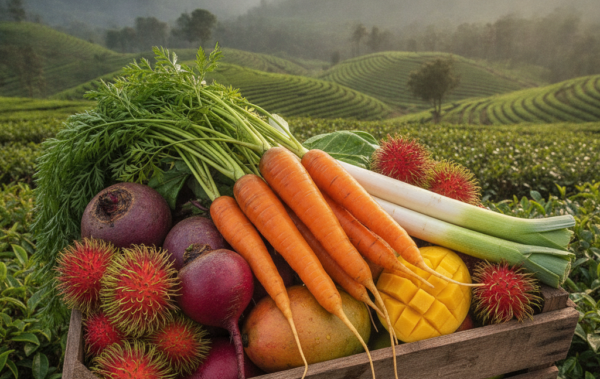
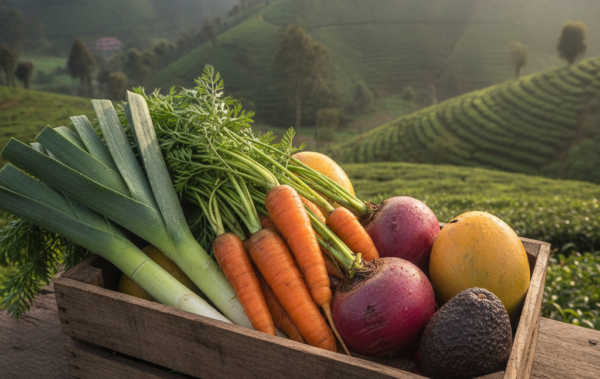
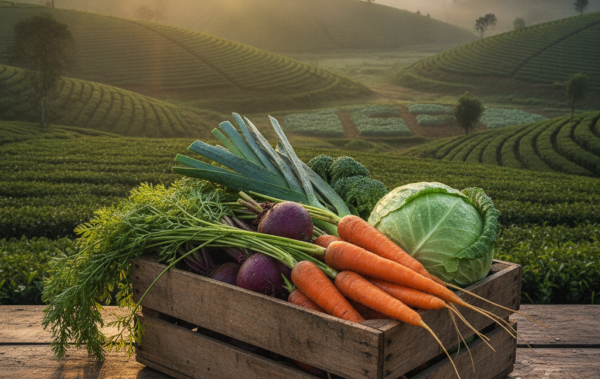
Because organic plants aren’t protected by chemical sprays, they produce more natural defense compounds (antioxidants) to protect themselves from pests. When we eat these plants, we benefit from those extra nutrients. In the cool climates of Nuwara Eliya, organic carrots and beets often develop a deeper, more concentrated flavor profile due to these higher nutrient densities.
The Pesticide Factor
For many Sri Lankan parents, the primary concern is pesticide residue. Conventional produce often carries trace amounts of synthetic chemicals. While regulatory bodies set “safe limits,” many health-conscious consumers prefer the peace of mind that comes with organic certification.
Choosing organic significantly reduces your exposure to glyphosate and organophosphates. When you source through platforms like NunuFresh, which prioritizes clean, high-quality produce directly from trusted farms, you are actively minimizing these risks for your household.
Environmental Impact on Sri Lanka’s Ecosystem
Our island’s biodiversity is one of its greatest treasures. Conventional farming, especially in the sensitive hill country, can lead to soil erosion and chemical runoff into our precious water systems. In contrast, organic farming practices help:
- Preserve Water Quality: By eliminating synthetic runoff, we protect the streams and rivers that flow down from the central highlands.
- Enhance Soil Fertility: Organic methods build carbon in the soil, making it more resilient to the droughts and heavy rains common in the Nuwara Eliya region.
- Protect Pollinators: Organic farms are havens for bees and butterflies, which are essential for the pollination of many Sri Lankan fruits and vegetables.
Taste and Freshness: The Nuwara Eliya Advantage
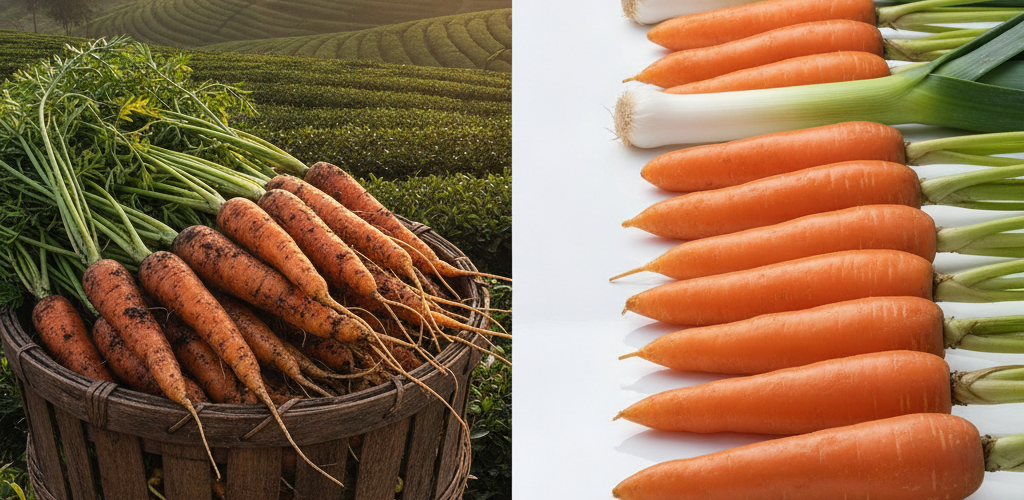
If you’ve ever tasted a carrot pulled straight from the dark, rich soil of a Nuwara Eliya farm, you know the difference. Organic produce often tastes “brighter” and more distinct. Because organic farming doesn’t use nitrogen-heavy fertilizers that bloat vegetables with water, the produce is more dense and flavorful.
Freshness is the other half of the equation. Conventional produce in supermarkets often travels long distances and sits in cold storage for weeks. By choosing a farm-to-table approach, like the one offered by NunuFresh, you ensure that the organic produce is harvested at its peak and delivered quickly, preserving both its taste and its vital enzymes.
Making the Choice: Is it Worth the Price?
It is no secret that organic produce often carries a higher price tag. This reflects the labor-intensive nature of organic farming—hand-weeding instead of spraying, and the cost of natural fertilizers. However, many view this as an investment in long-term health and environmental preservation.
Tips for Transitioning to Organic
If you cannot go 100% organic immediately, consider these steps:
- Prioritize the “Dirty Dozen”: Focus on buying organic for crops that typically have the highest pesticide loads, like strawberries, spinach, and bell peppers.
- Eat Seasonally: Organic produce is much more affordable when it is in peak season.
- Buy Direct: Sourcing directly from marketplaces that connect you to the farmers can often reduce middleman costs.
Conclusion: A Greener Future for Sri Lanka
The choice between organic and conventional isn’t just about what’s on your plate today; it’s about the kind of agriculture we want to support for Sri Lanka’s future. By opting for organic produce, you are supporting farmers who care for the land, protecting your family from synthetic chemicals, and enjoying the true, vibrant flavors of Nuwara Eliya.
Ready to experience the difference for yourself? At NunuFresh, we believe everyone deserves access to the freshest, cleanest produce our island has to offer. Our mission is to bring the best of Nuwara Eliya’s farms directly to your doorstep, ensuring your family enjoys the highest quality organic vegetables every single day.
Explore our latest harvest and start your journey toward a healthier lifestyle today.