No products in the cart.
Organic Living in Sri Lanka: A Complete Beginner’s Guide
Why Organic Living is Taking Root in Sri Lanka
In recent years, a quiet revolution has been simmering in Sri Lankan kitchens. From the bustling streets of Colombo to the quiet suburbs of Kandy, families are increasingly asking a vital question: “What exactly is in my food?” The shift toward organic living in Sri Lanka isn’t just a passing trend; it is a return to our roots. For generations, our ancestors practiced traditional farming methods that respected the soil and the consumer. Today, as we face rising health concerns and environmental challenges, the movement toward ‘Wasa Wisa Nathi’ (toxic-free) food is more important than ever.
Organic living is about more than just buying expensive vegetables. It is a holistic lifestyle choice that prioritizes health, supports local farming communities, and protects the island’s rich biodiversity. Whether you are a parent looking to provide the best nutrition for your children or an individual seeking to boost your immunity, this guide will help you navigate the world of organic produce in Sri Lanka.
Understanding Organic vs. Conventional Produce
Before diving in, it is essential to understand what ‘organic’ actually means in a local context. Conventional farming often relies on synthetic fertilizers, chemical pesticides, and herbicides to maximize yield and kill pests. While this produces large, uniform-looking vegetables, it often leaves behind chemical residues and depletes the soil of natural nutrients.
Organic farming, on the other hand, relies on natural processes. It involves:
- Natural Fertilizers: Using compost, green manure, and bone meal instead of synthetic chemicals.
- Crop Rotation: Planting different crops in the same area across seasons to maintain soil fertility naturally.
- Biological Pest Control: Encouraging beneficial insects or using natural extracts (like Neem or Ginger) to manage pests.
- No GMOs: Ensuring the seeds used are natural and not genetically modified.
In Sri Lanka, the Export Development Board (EDB) and various local bodies are working to standardize organic certifications, making it easier for consumers to identify truly organic products.
The Nuwara Eliya Connection: Sri Lanka’s Organic Hub
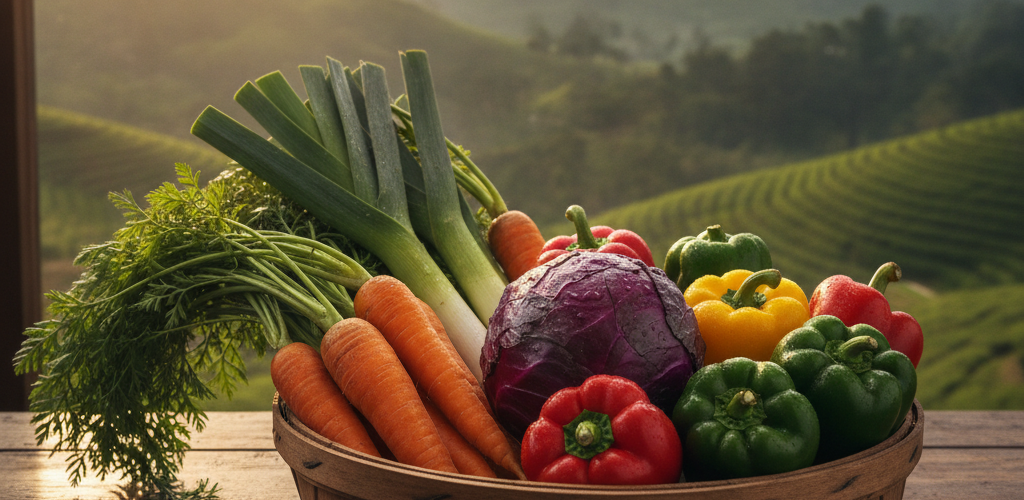
When we talk about fresh produce in Sri Lanka, one region stands above the rest: Nuwara Eliya. Often referred to as ‘Little England’ due to its cool climate and misty hills, this region is the heart of Sri Lankan vegetable cultivation. The unique microclimate and high altitude provide the perfect conditions for ‘Upcountry’ vegetables like carrots, leeks, cabbage, and potatoes.
Organic farming in Nuwara Eliya is particularly special. The rich, volcanic-like soil, when treated with organic matter rather than chemicals, produces vegetables that are noticeably sweeter, crunchier, and more nutrient-dense. Because the growth cycle is naturally moderated by the cool temperatures, the produce has more time to develop complex flavors. Supporting organic farms in this region doesn’t just mean better salads for you; it means protecting the vital watersheds that provide water to the rest of the island.
5 Simple Steps to Start Your Organic Journey
Transitioning to an organic lifestyle doesn’t have to happen overnight. Here are five practical steps for Sri Lankan beginners:
1. Start with the ‘Dirty Dozen’
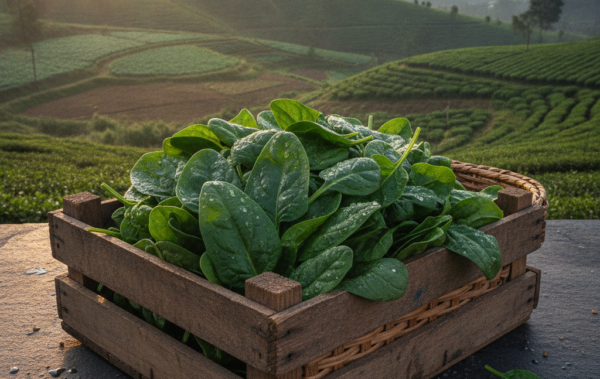
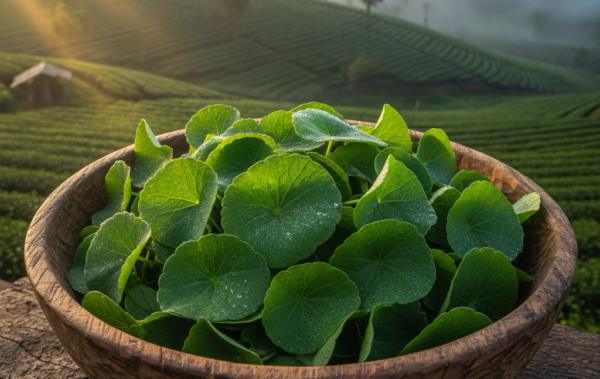
If your budget is a concern, you don’t have to buy everything organic. Focus on the ‘Dirty Dozen’—the types of produce that typically have the highest pesticide loads when grown conventionally. In Sri Lanka, this often includes leafy greens (like Gotukola and Mukunuwenna), tomatoes, and bell peppers. Prioritize buying these from organic sources first.
2. Learn to Love ‘Ugly’ Produce
We have been conditioned to look for perfectly shiny, uniform vegetables. In the organic world, a carrot might be slightly crooked, or a leaf might have a small hole from a hungry caterpillar. These are often signs that the produce is natural and free from heavy chemical coatings. Don’t judge a vegetable by its cover!
3. Shop Seasonally
Eating organic is much more affordable when you follow the seasons. In Sri Lanka, our ‘Maha’ and ‘Yala’ seasons dictate what grows best. When you eat what is in season, you are getting produce at its peak nutritional value and its lowest price point.
4. Grow Your Own (Even in the City)
You don’t need an acre of land to be an organic farmer. Urban gardening is thriving in Sri Lanka. Start with a few pots on your balcony or windowsill. Chillies, curry leaves (Karapincha), and basic herbs are incredibly easy to grow organically at home, ensuring you always have fresh, toxic-free garnishes.
5. Choose Reliable Sources
The biggest challenge for many Sri Lankans is accessibility. Where do you find genuine organic produce without spending hours traveling? This is where modern solutions come in. Platforms like NunuFresh have bridged the gap, connecting the pristine organic farms of Nuwara Eliya directly to your doorstep. By sourcing from trusted marketplaces, you ensure that your ‘organic’ label actually translates to chemical-free food.
The Health Benefits for Your Family
Why make the effort? The benefits of organic living are backed by science and felt in everyday life. For children, whose bodies are still developing, reducing exposure to pesticides is crucial for neurological health. For adults, organic foods often contain higher levels of antioxidants—up to 69% more in some cases compared to conventional crops.
Furthermore, organic vegetables like those found on NunuFresh are often harvested closer to the time of delivery. This means they retain more Vitamin C and other heat-sensitive nutrients that are lost during long storage periods in traditional supply chains.
Debunking the ‘Too Expensive’ Myth
A common hurdle for Sri Lankan families is the perception that organic food is too expensive. While the shelf price may be slightly higher, it is important to consider the ‘hidden costs’ of conventional food. These include long-term health expenses and the environmental cost of soil degradation. By buying direct from farm-to-table services, you often cut out the middlemen, making organic produce surprisingly competitive in price.
Conclusion: A Greener Future for Sri Lanka
Embracing an organic lifestyle is a journey, not a destination. It starts with one small choice—choosing an organic bundle of leeks or opting for pesticide-free carrots. As more Sri Lankans demand organic produce, we create a powerful incentive for our farmers to move away from chemicals and protect our beautiful island’s soil for future generations.
Ready to taste the difference that fresh, mountain-grown organic produce can make? Explore the wide selection of farm-fresh vegetables at NunuFresh today and have the best of Nuwara Eliya delivered straight to your kitchen. Your health, your family, and the environment will thank you.