No products in the cart.
Why Nuwara Eliya’s Cool Climate Grows Sri Lanka’s Best Spinach
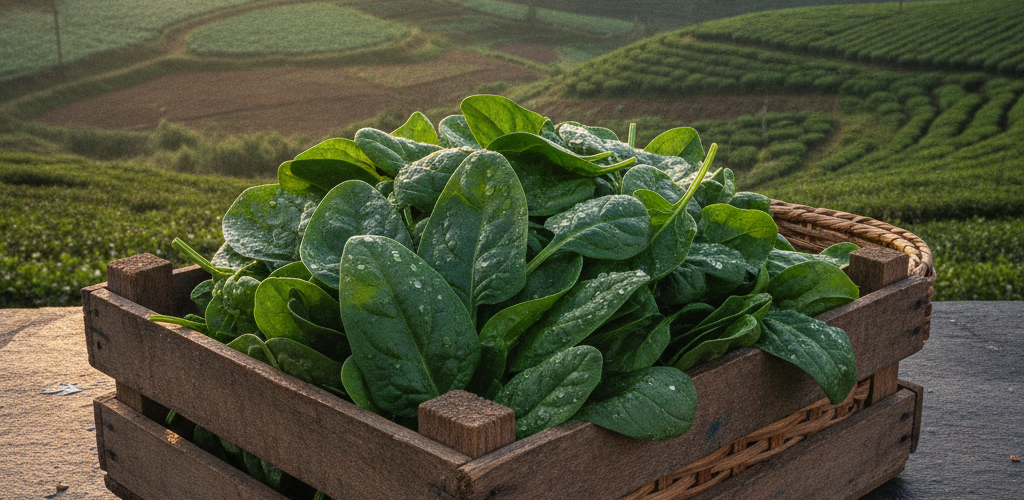
When you think of the emerald-green hills of Nuwara Eliya, your mind likely drifts to rolling tea estates and the misty ‘Little England’ atmosphere. However, for those who value health and culinary excellence, Nuwara Eliya represents something more: the agricultural heart of Sri Lanka. Among the bounty of the Central Highlands, one vegetable stands out for its exceptional quality, vibrant color, and dense nutritional profile—spinach.
While spinach can be grown in various parts of the island, there is a scientific and environmental reason why the produce coming from the high-altitude farms of Nuwara Eliya is widely considered the best in the country. In this article, we dive deep into the unique climate of the highlands, the mineral-rich soil of the mountains, and why NunuFresh is committed to bringing this high-altitude goodness directly to your doorstep.
The Science of the Cool Climate: Why Spinach Thrives in the Mist
Spinach (Spinacia oleracea) is naturally a cool-weather crop. While it is hardy, its physiological development is highly sensitive to temperature. In the lowlands of Sri Lanka, where temperatures often soar above 30°C, spinach tends to ‘bolt.’ Bolting is a process where the plant prematurely produces a flowering stem, making the leaves bitter, tough, and less nutritious.
In contrast, Nuwara Eliya sits at an elevation of approximately 1,889 meters (6,198 ft) above sea level. The average temperature fluctuates between 12°C and 22°C. This temperate microclimate is the ‘Goldilocks zone’ for spinach cultivation. Here is why the cool weather matters:
- Slow Maturation for Better Flavor: The cooler temperatures slow down the plant’s metabolism. Instead of rushing to seed, the spinach grows steadily, allowing complex sugars and flavors to develop within the leaves. This results in a sweeter, more tender leaf compared to heat-stressed varieties.
- Moisture Retention: The high humidity and frequent mist in the Central Highlands keep the leaves turgid and crisp. This natural hydration prevents the wilting often seen in produce from drier regions.
- Chlorophyll Density: The unique light filtration through the mountain mist encourages the production of chlorophyll, giving Nuwara Eliya spinach its signature deep, dark green hue.
The Rich Soil of the Central Highlands
Climate is only half of the story. The soil in Nuwara Eliya is fundamentally different from the sandy or clay-heavy soils found in the coastal and dry zones of Sri Lanka. The highland soil is typically Red-Yellow Podzolic, characterized by a high organic matter content and excellent drainage.
Because Nuwara Eliya was historically a forest region, the soil is rich in ‘humus’—decomposed organic material that acts like a natural multivitamin for plants. This soil is naturally high in nitrogen, which is the primary nutrient required for leafy green growth. When you consume spinach from these farms, you aren’t just eating a vegetable; you are consuming the concentrated minerals of the mountain soil.
Organic Practices and Sustainable Farming
In recent years, there has been a significant shift toward organic and GAP (Good Agricultural Practices) certified farming in the Nuwara Eliya district. Local farmers are increasingly moving away from synthetic fertilizers, opting instead for composted manure and natural pest control methods. This shift is crucial for spinach because its large surface area makes it prone to absorbing chemical residues. By choosing organic produce from trusted sources like NunuFresh, Sri Lankan families can enjoy their dhal and spinach curries without the worry of harmful toxins.
Nutritional Powerhouse: What’s Inside Nuwara Eliya Spinach?
Spinach is often called a ‘superfood,’ but not all spinach is created equal. The nutrient density of a plant is directly linked to the health of the soil and the environment in which it grows. Spinach harvested from the cool hills of Nuwara Eliya is packed with:
- Iron: Essential for blood health and energy levels, especially important for the Sri Lankan diet.
- Vitamin K: Vital for bone health and proper blood clotting.
- Vitamin A (Beta-carotene): Crucial for maintaining healthy vision and a robust immune system.
- Folate (Vitamin B9): Important for cellular repair and particularly vital for pregnant women.
- Magnesium and Potassium: Essential minerals for heart health and maintaining healthy blood pressure levels.
Because the transit time from Nuwara Eliya to your table via NunuFresh is minimized, these volatile vitamins remain intact, ensuring your family receives the maximum biological benefit from every meal.
The Journey from Farm to Table: The Freshness Factor
One of the biggest challenges with leafy greens in Sri Lanka is the ‘post-harvest loss.’ Spinach is highly perishable. In the heat of a traditional wholesale market (Pola), spinach can lose up to 50% of its Vitamin C content within just 24 hours of harvest. The wilting isn’t just an aesthetic issue; it’s a sign of nutritional depletion.
This is where the Nuwara Eliya advantage meets modern logistics. By sourcing directly from farms and utilizing climate-controlled or rapid transport systems, the ‘cool chain’ is maintained. When spinach is harvested in the crisp morning air of a Nuwara Eliya farm, it retains its cellular structure. By the time it reaches a kitchen in Colombo or Kandy through NunuFresh, it still carries the freshness of the mountain dew.
How to Best Enjoy Your Highland Spinach
To make the most of this premium produce, Sri Lankan home cooks should handle it with care. Here are a few tips for preparing Nuwara Eliya spinach:
1. Minimal Cooking
The tender leaves of highland spinach don’t need much heat. Whether you are making a classic ‘Nivithi Kirata’ (spinach coconut curry) or a quick stir-fry with garlic and chili, add the spinach at the very end. Let it wilt for only 1-2 minutes to preserve the bright green color and the heat-sensitive vitamins.
2. The Perfect Salad Base
Because Nuwara Eliya spinach is sweeter and less fibrous than lowland varieties, it is perfect for eating raw. Wash it thoroughly and toss it with some toasted cashew nuts, sliced mango, and a squeeze of lime for a refreshing, Sri Lankan-inspired salad.
3. Green Smoothies
For a modern health boost, blend a handful of fresh spinach with a banana and some coconut water. Since the spinach from the highlands lacks the bitterness found in heat-grown greens, it blends perfectly into fruit smoothies without overpowering the flavor.
Conclusion: Choosing Quality for Your Family
In a world of mass-produced food, knowing where your vegetables come from is a luxury that has become a necessity. The cool climate of Nuwara Eliya isn’t just a holiday destination; it is a unique biological asset that allows Sri Lanka to produce world-class spinach. Its superior taste, crisp texture, and dense nutrient profile make it a staple that every health-conscious household should prioritize.
At NunuFresh, we take pride in bridging the gap between the mist-covered farms of the Central Highlands and your dinner table. We believe that every Sri Lankan family deserves access to the freshest, organically grown produce our island has to offer.
Ready to taste the difference that the Nuwara Eliya climate makes? Explore our selection of farm-fresh organic produce at NunuFresh today and bring the goodness of the highlands into your kitchen.