No products in the cart.
Fresh Vegetables from Nuwara Eliya: A Guide to Farm-Fresh Quality
The Magic of the Hills: Why Nuwara Eliya is Sri Lanka’s Salad Bowl
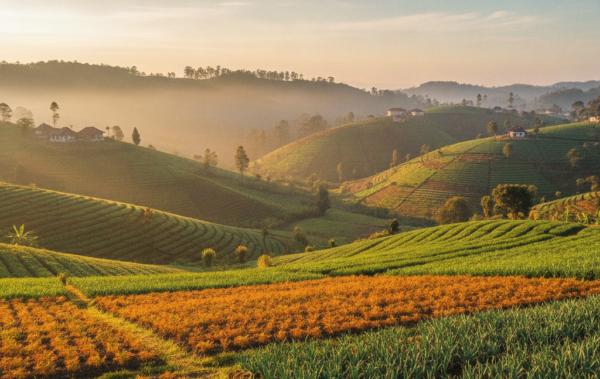
For generations, the name Nuwara Eliya has been synonymous with more than just mist-covered mountains and colonial architecture. For the Sri Lankan kitchen, it represents the gold standard of produce. Often referred to as “Little England,” this high-altitude region sits at approximately 1,868 meters above sea level, creating a unique microclimate that is unlike anywhere else on the island. This cool, temperate environment is the secret ingredient behind the crisp textures and concentrated flavors of the fresh vegetables from Nuwara Eliya that we all know and love.
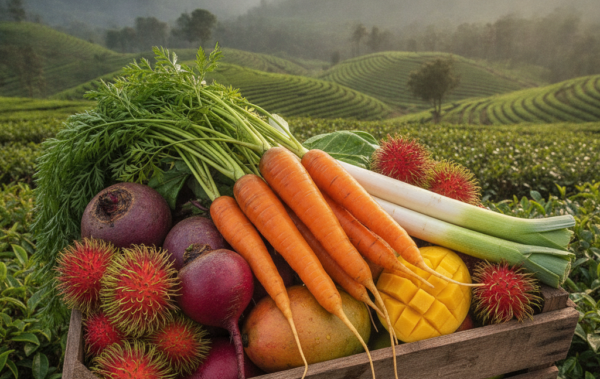
While the rest of Sri Lanka basks in tropical heat, Nuwara Eliya maintains an average temperature between 15°C and 20°C. This allows for the cultivation of “up-country” vegetables that simply cannot thrive in the lowlands. From the vibrant orange of New Amsterdam carrots to the earthy richness of the famous Nuwara Eliya potatoes, the produce from this region is a testament to the bounty of the Sri Lankan hill country.
What Makes Nuwara Eliya Produce So Special?
The Ideal Climate for Slow Growth
In the world of agriculture, speed isn’t always a good thing. In the warmer regions of Sri Lanka, vegetables grow rapidly, which can sometimes lead to a higher water content and less concentrated flavor. In contrast, the cool nights and mild days of the central highlands encourage a slower growth cycle. This allows the plants to develop more complex sugars and minerals, resulting in vegetables that are crunchier, sweeter, and more nutrient-dense.
Rich, Mineral-Heavy Soil
The soil in the Nuwara Eliya district is rich in organic matter and minerals. Over centuries, the decomposition of highland vegetation has created a fertile topsoil that provides a robust foundation for farming. When you consume vegetables grown in this earth, you aren’t just eating fiber; you are consuming the essential minerals that the plant has absorbed from some of the most pristine land in the country.
The Transition to Organic Farming in Sri Lanka
In recent years, there has been a significant shift in the mindset of both farmers and consumers in Sri Lanka. The demand for organic produce has surged as families become more health-conscious and aware of the long-term effects of synthetic pesticides and fertilizers. Nuwara Eliya has become a focal point for this organic revolution.
Many small-holder farmers in the hills are returning to traditional, sustainable methods of cultivation. By using natural compost, crop rotation, and botanical extracts for pest control, these farmers are protecting the delicate ecosystem of the highlands while ensuring that the food on your plate is safe and chemical-free. Supporting these practices is at the heart of the mission at NunuFresh, where the focus is on bridging the gap between these dedicated organic farmers and health-conscious urban households.
A Closer Look at Nuwara Eliya’s Star Produce
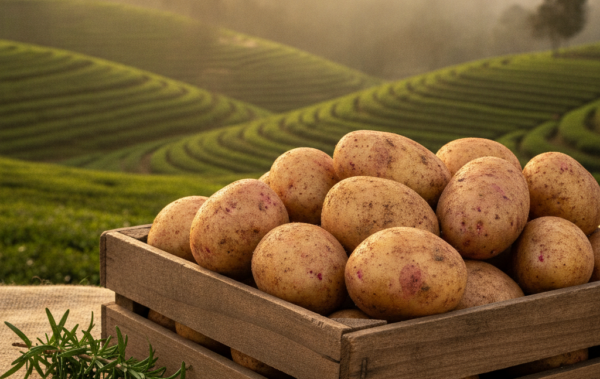
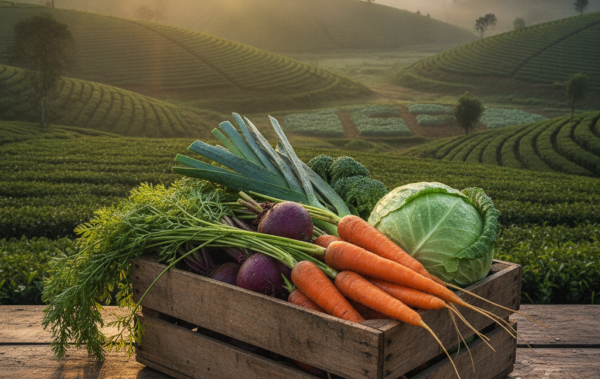
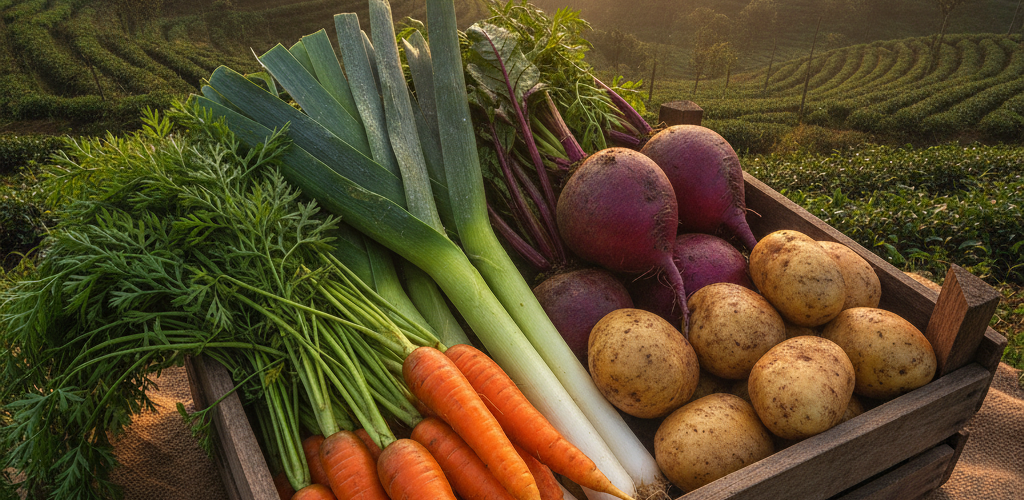
- Nuwara Eliya Potatoes (Ala): Known for their creamy texture and thin skin, these are arguably the most sought-after potatoes in Sri Lanka. Unlike imported varieties, they hold their shape perfectly in a spicy Sri Lankan curry.
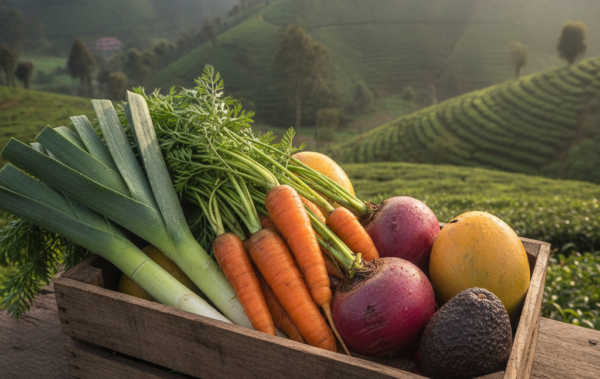
- Carrots: The carrots from the hills are famous for their deep color and snap. They are packed with Beta-carotene, which the body converts into Vitamin A, essential for eye health and immunity.
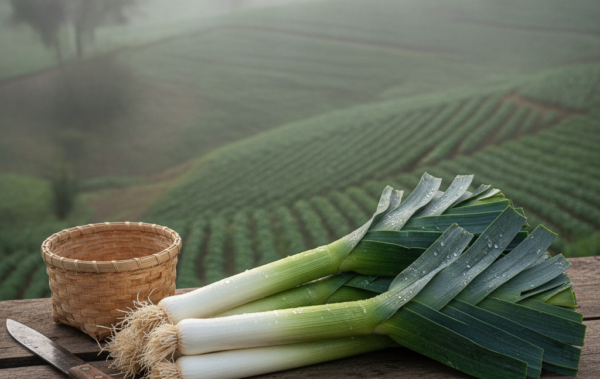
- Leeks and Cabbage: These cool-weather staples form the backbone of many local dishes. The leeks are exceptionally fragrant, while the cabbage remains sweet and crisp even after cooking.
- Beetroot: The high altitude helps beetroots develop a deep, earthy sweetness. They are a powerhouse of antioxidants and are excellent for blood pressure management.
- Broccoli and Cauliflower: Once considered exotic, these are now thriving in the Nuwara Eliya climate, providing local families with easy access to high-fiber, cancer-fighting cruciferous vegetables.
The Journey from Farm to Table: Overcoming the Freshness Gap
One of the biggest challenges in the Sri Lankan food supply chain is the “post-harvest loss.” Statistics from the Department of Agriculture suggest that nearly 30% to 40% of vegetables are wasted or damaged during the long journey from the farm to the local pola or supermarket. This isn’t just a waste of food; it’s a loss of nutritional value. Every hour a vegetable spends in a hot truck, it loses vital vitamins, particularly Vitamin C.
This is where the modern farm-to-table model changes the game. By sourcing directly from the farms and utilizing efficient delivery systems, platforms like NunuFresh ensure that the vegetables you receive were likely still in the ground just a day or two prior. This direct connection minimizes handling, reduces waste, and ensures that your family gets the maximum nutritional benefit from every bite.
Health Benefits of Choosing Fresh, Local Produce
Eating seasonally and locally isn’t just a trend; it’s a biological necessity. Our bodies thrive when we eat food that is grown in its natural season and environment. Here are a few reasons why fresh Nuwara Eliya vegetables should be a staple in your diet:
1. Peak Nutritional Content
Vegetables harvested at their peak ripeness contain the highest levels of vitamins and minerals. For example, a fresh bell pepper from the hills has significantly more Vitamin C than one that has been sitting in cold storage for weeks.
2. Higher Antioxidant Levels
Organic farming practices have been shown to increase the levels of certain antioxidants in vegetables. These compounds help fight oxidative stress in the body, reducing the risk of chronic diseases such as heart disease and diabetes.
3. Better Flavor, Less Additives
When food tastes good naturally, you need less salt, sugar, and artificial seasonings to make your meals enjoyable. The natural sweetness of a Nuwara Eliya carrot or the robust flavor of highland garlic makes healthy eating an easy choice rather than a chore.
Simple Tips for Storing Your Highland Vegetables
To keep your fresh vegetables from Nuwara Eliya tasting their best, proper storage is key in our tropical climate:
- Root Vegetables: Carrots and beetroots should have their green tops removed (if attached) and be stored in a reusable silicone bag or a damp cloth in the refrigerator crisper drawer.
- Leafy Greens and Leeks: These love humidity. Wrap them in a reusable beeswax wrap or a damp paper towel before placing them in the fridge.
- Potatoes: Never refrigerate potatoes! Keep them in a cool, dark, and well-ventilated place to prevent them from turning bitter or sprouting.
Supporting Local Farmers and the Environment
When you choose to buy produce grown in Nuwara Eliya, you are doing more than just feeding your family; you are supporting the backbone of the Sri Lankan economy. Small-scale farming is a labor of love, and by choosing local over imported, you help sustain these communities. Furthermore, sourcing food from within the country significantly reduces the carbon footprint associated with international shipping and long-haul logistics.
Conclusion: Bringing the Best of the Hills to Your Home
The misty mountains of Nuwara Eliya offer us a precious gift—the ability to grow world-class, nutritious, and delicious produce right here in Sri Lanka. By choosing fresh, organic, and locally sourced vegetables, you are making a conscious decision to prioritize your family’s health and support a sustainable future for Sri Lankan agriculture.
At NunuFresh, we are proud to be part of this journey, delivering the very best of Nuwara Eliya’s harvest directly to your doorstep. From the crisp air of the hills to the warmth of your kitchen, experience the difference that true freshness makes.
Ready to taste the difference? Explore our wide selection of fresh organic produce today and bring the goodness of Nuwara Eliya farms into your home.