No products in the cart.
Teaching Kids to Love Vegetables: A Sri Lankan Parent’s Guide
Building a Foundation for Lifelong Health
In the vibrant tapestry of Sri Lankan culture, food is more than just sustenance; it is a symbol of love, hospitality, and heritage. However, as modern lifestyles shift towards processed convenience, many Sri Lankan parents find themselves facing a common struggle: getting their children to eat their vegetables. Teaching kids about healthy eating isn’t just about finishing the plate; it’s about fostering a lifelong relationship with nutrition that supports their growing bodies and minds.
According to global health statistics, the early years are the most critical for establishing dietary habits. Research suggests that children who are exposed to a variety of vegetables before the age of five are significantly more likely to maintain a healthy weight and avoid chronic illnesses such as Type 2 diabetes and hypertension later in life. In Sri Lanka, where we are blessed with the fertile soils of the central highlands, we have a unique opportunity to provide our children with some of the freshest, most nutrient-dense produce in the world.
The Nutritional Powerhouses of Nuwara Eliya
When we talk about ‘fresh’ in Sri Lanka, the conversation naturally turns to Nuwara Eliya. Known as ‘Little England’ for its cool climate and mist-covered hills, this region is the heart of our vegetable production. The rich, volcanic-like soil and the consistent rainfall create the perfect environment for cool-climate crops that are essential for a child’s development.
Why Origin Matters
Not all vegetables are created equal. Produce grown in the high altitudes of Nuwara Eliya, such as carrots, leeks, and broccoli, often retains higher concentrations of vitamins and minerals compared to produce that has traveled long distances in high heat. For instance, a Nuwara Eliya carrot is packed with Beta-carotene, which the body converts into Vitamin A—essential for maintaining healthy eyesight and a robust immune system in growing children.
Furthermore, choosing organic produce ensures that your children are not consuming residual pesticides or synthetic fertilizers. At NunuFresh, the focus is on bridging the gap between these pristine Nuwara Eliya farms and your kitchen table, ensuring that the ‘farm-to-fork’ journey is as short and clean as possible.
Turning the Kitchen into a Classroom
Education doesn’t only happen in school. The kitchen is a laboratory of science, math, and sensory exploration. To teach kids about healthy eating, you must involve them in the process. Here are several ways to make vegetables more than just ‘green things’ on a plate:
1. The ‘Rainbow Plate’ Challenge
Children are naturally visual. Instead of focusing on the ‘health benefits’ (which can feel abstract to a six-year-old), focus on colors. Challenge your children to eat a ‘rainbow’ every day.
- Red: Tomatoes and Red Bell Peppers (Vitamin C for healing scrapes).
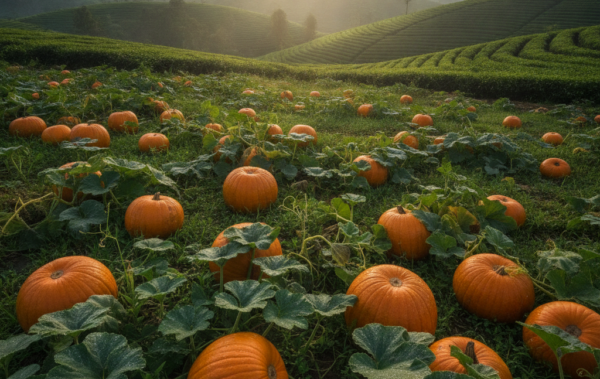
- Orange/Yellow: Carrots and Pumpkin (Vitamin A for ‘super-vision’).
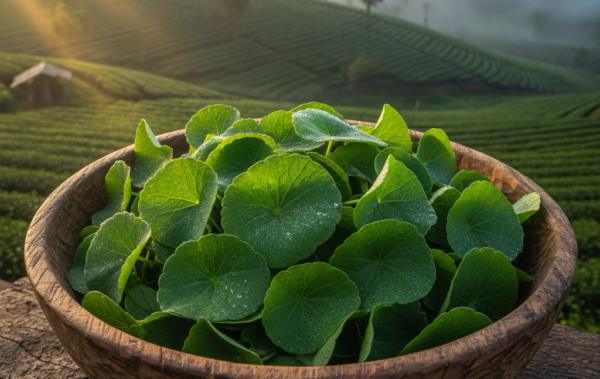
- Green: Beans, Broccoli, and Gotukola (Iron for energy).
- Purple: Beetroot and Purple Cabbage (Antioxidants for brain power).
2. Sensory Exploration
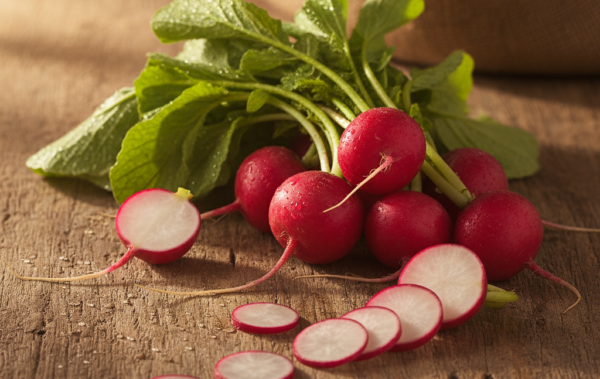
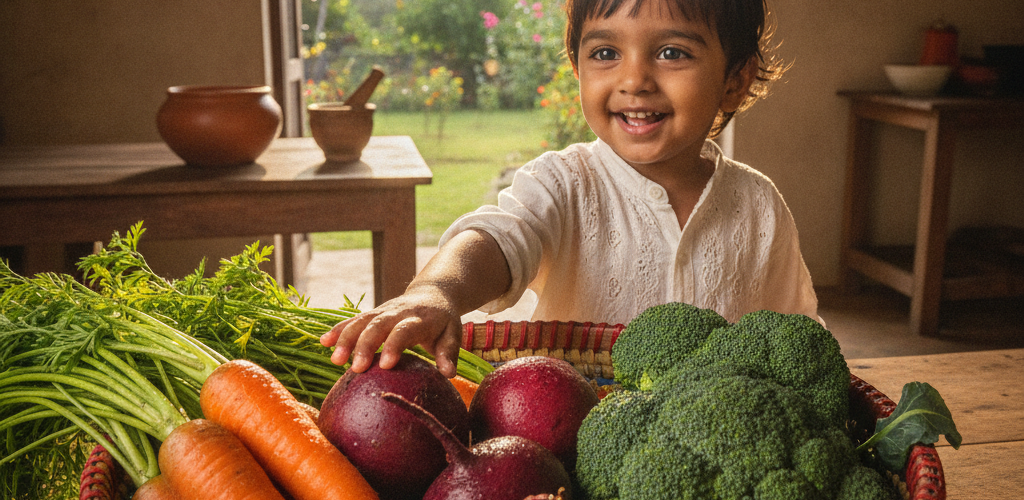
Before a vegetable is even cooked, let your child touch, smell, and even listen to it. The ‘crunch’ of a fresh Nuwara Eliya radish or the earthy scent of a freshly pulled potato can pique a child’s curiosity. Sensory play reduces the ‘food neophobia’ (fear of new foods) that many toddlers experience.
The Story of the Seed: Connecting with the Farm
Children are more likely to eat something if they understand where it comes from. In Sri Lanka, many urban children are disconnected from the agricultural roots of our island. Telling the story of the hardworking farmers in the misty hills of Nuwara Eliya can turn a boring meal into an adventure.
Explain how a tiny seed, nourished by the cool mountain rain and the Sri Lankan sun, grows into the crisp bean they see on their plate. When children realize that their food is a living thing that requires care, they develop a sense of respect for it. Services like NunuFresh make this story even more tangible, as the produce arrives with the freshness of the morning dew still practically on it, having come directly from those very farms.
Strategies for the ‘Picky Eater’
We’ve all been there—the vegetable that is pushed to the edge of the plate or hidden under a mound of rice. Here are research-backed strategies to handle resistance without the dinner-table drama:
The ‘One-Bite Rule’
Studies show that it can take up to 15 exposures for a child to accept a new food. Implement a ‘one-bite rule’ where the child must try one small bite of a new vegetable, but they don’t have to finish it. This removes the pressure while ensuring consistent exposure.
The Power of Modeling
Children are mimics. If they see you enjoying a bowl of fresh salad or a traditional Sri Lankan Mallung with enthusiasm, they are far more likely to try it themselves. Make healthy eating a family culture, not just a rule for the kids.
Incorporate, Don’t Just Hide
While ‘hiding’ vegetables in sauces is a common tactic, it doesn’t actually teach kids to like vegetables. Instead, try ‘incorporating’ them. Add finely grated carrots to your parippu (dhal) or toss small florets of broccoli into a stir-fry. They can see the vegetable, but it is paired with familiar, beloved flavors.
Why Organic and Fresh is the Best Choice for Sri Lankan Families
In recent years, there has been an increased awareness in Sri Lanka regarding the use of chemicals in commercial farming. For a developing child, whose organs are still maturing, the impact of these chemicals can be more pronounced. This is why the movement toward organic produce is so vital.
Organic farming practices in regions like Nuwara Eliya focus on soil health. Healthy soil leads to healthy plants, which in turn lead to healthy children. By choosing organic, you are ensuring that your child’s body is using its energy to grow and learn, rather than processing toxins. Furthermore, fresh produce that hasn’t spent days in a storage facility or under harsh supermarket lights retains its B-vitamins and Vitamin C, which are highly sensitive to heat and light.
A Simple Recipe to Get Started: The ‘Highland Veggie Smash’
Here is a simple, kid-friendly way to use fresh Nuwara Eliya produce that even the pickiest eaters love:
- Ingredients: 2 large Nuwara Eliya potatoes, 1 medium carrot, 1/2 cup of cauliflower florets, a pinch of turmeric, and a teaspoon of butter.
- Method: Steam the vegetables until soft. Mash them together with the butter and turmeric. The carrot gives it a beautiful golden color and a hint of sweetness, while the potato provides a familiar texture.
Conclusion: Investing in Their Future
Teaching your children to value fresh, organic vegetables is one of the greatest gifts you can give them. It is an investment in their concentration at school, their physical stamina on the playground, and their long-term health. By sourcing the best produce Sri Lanka has to offer—straight from the heart of our farming country—you are bringing the purity of nature into your home.
Ready to start your family’s healthy eating journey? Explore the freshest, farm-direct organic produce from the hills of Nuwara Eliya at NunuFresh and taste the difference that quality makes.