No products in the cart.
The Secret Behind Nuwara Eliya’s Famous Fresh Produce
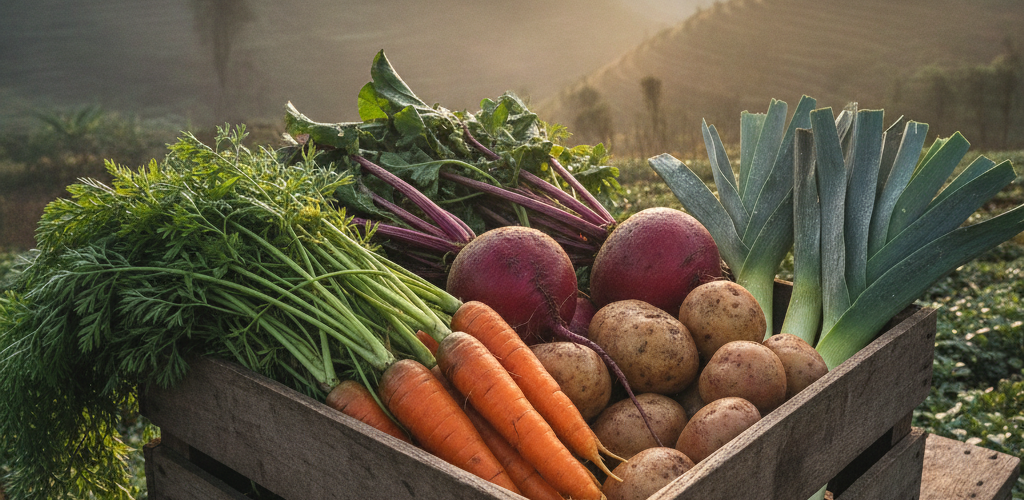
When you think of Nuwara Eliya, the first images that come to mind are likely the rolling hills of emerald tea estates, the misty mornings, and the crisp, cool air of the Sri Lankan central highlands. Often referred to as ‘Little England,’ this region is more than just a picturesque tourist destination; it is the agricultural heartbeat of Sri Lanka. If you have ever bitten into a crunchy Nuwara Eliya carrot or tasted the earthy sweetness of a mountain-grown potato, you know there is something undeniably different about the produce from this region. But what exactly is the secret behind Nuwara Eliya’s famous fresh produce?
The Magic of Altitude: Why Elevation Matters
At an elevation of approximately 1,868 meters (6,128 feet) above sea level, Nuwara Eliya offers a microclimate that is unique in the Indian Ocean region. While the rest of Sri Lanka experiences tropical heat, the hill country enjoys a temperate climate with average temperatures ranging between 10°C and 20°C. This altitude is the primary ‘secret ingredient’ in the quality of the vegetables grown here.
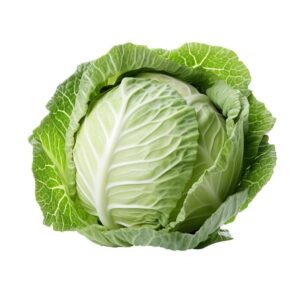
In higher altitudes, the atmospheric pressure is lower and the air is thinner. For plants, this means a slower growth cycle. While vegetables in the lowlands might grow rapidly due to the intense heat, the produce in Nuwara Eliya takes its time. This slower maturation process allows the plants to develop more complex sugars and a denser cellular structure. This is why a leek from the hill country feels more substantial and a cabbage remains crisp even after a long journey to the Colombo markets.
The Role of the ‘Nuwara Eliya Mist’
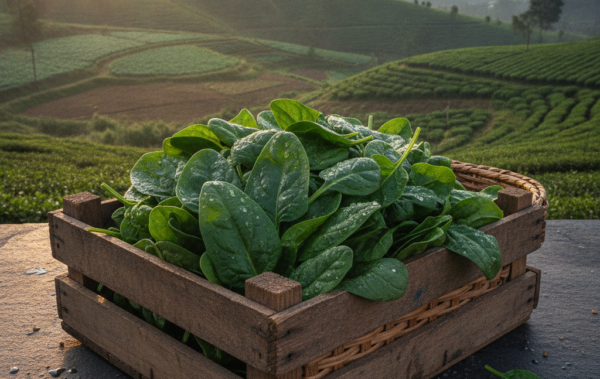
The frequent mist and high humidity of the region provide a natural irrigation system. The fine droplets of water that settle on the leaves during the early morning hours ensure that the plants stay hydrated without the soil becoming waterlogged. This ‘dew-kissed’ environment is particularly beneficial for leafy greens and delicate herbs, which retain a vibrancy and tenderness that is difficult to replicate in dryer, hotter climates.
The Soil: Red-Yellow Podzolic Wonders
Beyond the air, the secret lies beneath the surface. The soil in Nuwara Eliya is predominantly Red-Yellow Podzolic. For those not versed in soil science, this means the earth is rich in organic matter and has a high level of acidity that is perfect for ‘temperate’ or ‘English’ vegetables.
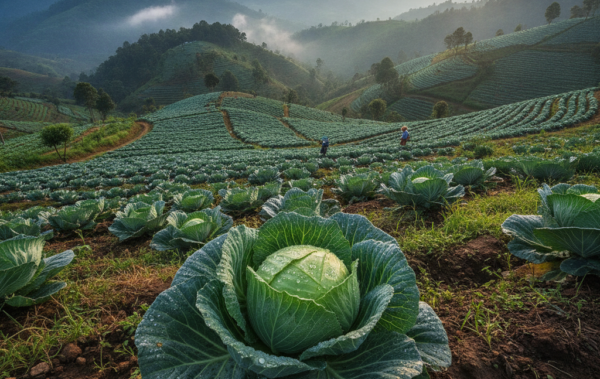
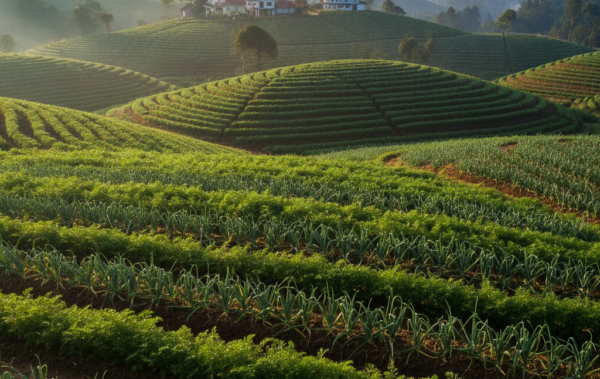
Over decades, the decomposition of mountain vegetation has created a thick layer of humus. This organic-rich topsoil is exceptionally fertile. Furthermore, the undulating terrain of the central highlands provides natural drainage. Most vegetable plots are carved into the hillsides as terraces. This prevents water from stagnating around the roots, which is crucial for preventing root rot in crops like potatoes and carrots.
The Iconic Crops of the Central Highlands
While Nuwara Eliya grows a vast variety of produce, certain crops have gained legendary status due to the specific conditions of the region.
1. The Nuwara Eliya Potato
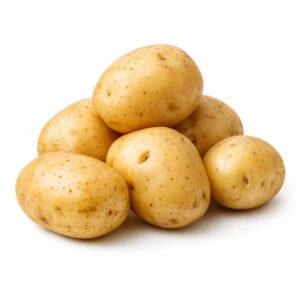
The Sri Lankan potato is a staple in local cuisine, but the Nuwara Eliya variety is the gold standard. Unlike imported varieties that can sometimes be waxy or bland, the mountain-grown potato has a floury texture and an earthy flavor profile. This is largely due to the mineral content of the highland soil, which infuses the tubers with a distinct taste that shines in a classic Sri Lankan potato curry.
2. Carrots and Beets
Have you ever noticed that Nuwara Eliya carrots are smaller but much sweeter than the giant, uniform ones found in some supermarkets? The cold climate encourages the plant to store energy as sugar, resulting in a carrot that is snap-crisp and naturally sweet. Similarly, the beetroots from this region possess a deep, ruby-red pigment and a high concentration of nitrates and antioxidants, making them as healthy as they are flavorful.
3. Exotic Berries and Fruits
Nuwara Eliya is the only place in Sri Lanka where strawberries thrive on a commercial scale. The cool nights and sunny days provide the perfect ‘diurnal temperature variation’ required for strawberries to develop their signature aroma and sweetness. This region also produces high-quality pears, plums, and even rhubarb, bringing a touch of temperate gardening to the heart of the tropics.
The Shift Toward Organic and Sustainable Farming
In recent years, there has been a significant shift in the farming culture of Nuwara Eliya. Traditionally, the high demand for these vegetables led to intensive farming practices. However, a new generation of farmers, supported by platforms like NunuFresh, is embracing organic and sustainable methods.
Organic farming in the highlands is particularly challenging but immensely rewarding. By eliminating synthetic pesticides and fertilizers, farmers are protecting the delicate mountain ecosystem and the water sources that flow down to the rest of the island. Organic produce from Nuwara Eliya isn’t just about avoiding chemicals; it’s about restoring the natural balance of the soil, which in turn enhances the nutritional value of the food we eat.
The Challenge of the Supply Chain
One of the biggest hurdles for Nuwara Eliya produce has always been the journey from the farm to the consumer. In the past, the traditional wholesale market system often meant that vegetables spent days in transit or storage, losing their ‘just-picked’ vitality.
This is where the ‘Freshness Secret’ comes in. The true quality of a highland vegetable is best experienced when the time between harvest and consumption is minimized. By bridging the gap between the terraced farms of Nuwara Eliya and the kitchens of urban families, services like NunuFresh ensure that the crispness and nutrient density of the produce are preserved. When produce is sourced directly, it bypasses the wilting heat of intermediate warehouses, arriving at your doorstep as if it were just plucked from the misty hills.
How to Get the Most Out of Your Highland Produce
To truly appreciate the labor and nature that goes into Nuwara Eliya vegetables, proper storage and preparation are key:
- Keep it Cool: Since these vegetables are grown in a cool climate, they prefer to be stored in the vegetable crisper of your refrigerator.
- Don’t Overcook: The tender nature of highland vegetables means they cook faster. Try steaming your carrots or leeks to retain their natural crunch and vibrant color.
- Root Integrity: For potatoes and beets, leave the skin on whenever possible. Much of the mineral-rich flavor is located just beneath the skin.
Conclusion: A Gift from the Mountains
The secret of Nuwara Eliya’s produce isn’t just one thing—it is a perfect symphony of altitude, soil, climate, and the hard work of the highland farmers. Every time you choose produce from this region, you are tasting the unique ‘terroir’ of the Sri Lankan hills. It is a testament to the island’s incredible biodiversity and agricultural heritage.
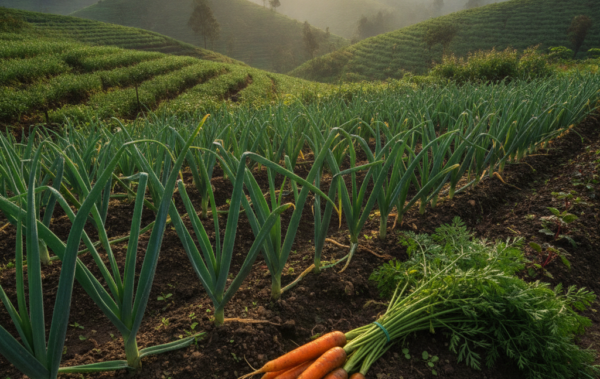
Supporting organic and direct-from-farm initiatives not only ensures that your family gets the best nutrition possible but also helps preserve the beautiful landscape of Nuwara Eliya for generations to come. The next time you see that distinctive rich orange of a mountain carrot or the deep green of a highland leek, you’ll know exactly what went into making it so special.
Ready to bring the freshness of the hills into your kitchen? Explore our curated selection of organic, farm-fresh produce at NunuFresh and experience the true taste of Nuwara Eliya delivered directly to your home.
Shop Fresh from NunuFresh
These products mentioned in this article are available for delivery: