No products in the cart.
How to Wash and Store Organic Vegetables for Freshness
Bringing the Freshness of Nuwara Eliya to Your Kitchen
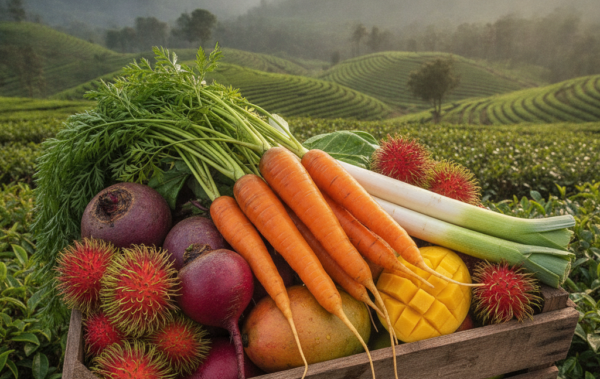
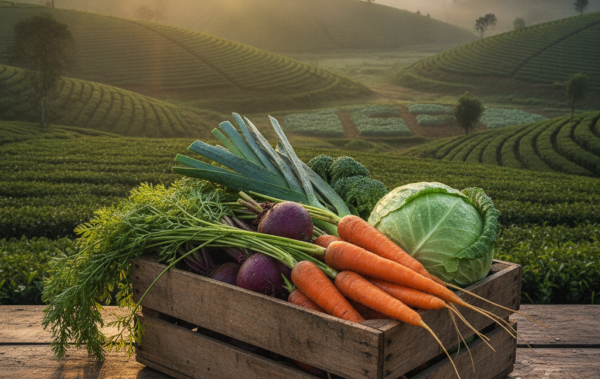
There is something truly special about the produce that comes from the misty highlands of Nuwara Eliya. The cool climate, rich soil, and dedicated farming traditions produce some of the most nutrient-dense and flavorful organic vegetables in Sri Lanka. When you receive a box of fresh produce from NunuFresh, you are holding the results of hard work and a commitment to chemical-free agriculture. However, the journey doesn’t end at your doorstep. To truly honor the effort of our farmers and ensure your family gets the most nutritional value, knowing how to wash and store these organic gems is essential.
Organic vegetables, unlike their commercially grown counterparts, aren’t coated in synthetic waxes or heavy preservatives. This means they are ‘alive’ and breathing, but it also means they can be more sensitive to the tropical humidity of Sri Lanka. In this guide, we will explore the best practices for handling your organic harvest to keep it crunchy, vibrant, and healthy for as long as possible.
The Golden Rule: Don’t Wash Until You’re Ready
It is a common habit to wash all your groceries the moment you bring them home. While this feels organized, it is often the quickest way to spoil fresh produce. Moisture is the primary enemy of shelf life. When you wash vegetables and then put them in the fridge, any remaining droplets can lead to mold, slime, and bacterial growth.
Pro Tip: Only wash what you plan to use for your meal. If you must wash them ahead of time (for meal prepping), ensure they are 100% dry before storing. Use a salad spinner or lay them out on a clean cotton sarong or kitchen towel until every bit of surface moisture has evaporated.
How to Properly Wash Organic Produce
Since organic vegetables from NunuFresh are grown without synthetic pesticides, you don’t need to worry about scrubbing off harsh chemicals. However, they are grown in natural soil, which means they might have a bit of ‘earth’ on them, along with natural microbes.
The Vinegar Soak
For most vegetables, a simple soak is the most effective method. Create a solution of 1 part white vinegar to 3 parts water. Submerge your vegetables for about 5 to 10 minutes. The acetic acid in the vinegar helps kill bacteria and can even help dissolve any lingering organic-approved residues or tiny insects often found in leafy greens like Gotukola or Mukunuwenna.
The Cold Water Rinse
After the soak, give your vegetables a final rinse under cold, running tap water. For sturdy vegetables like Nuwara Eliya carrots or beetroot, use a soft vegetable brush to gently scrub away any stubborn soil. For delicate items like strawberries or cherry tomatoes, a gentle spray is enough.
Strategic Storage for Different Vegetable Types
In a tropical climate like Sri Lanka, the ‘one size fits all’ approach to storage doesn’t work. Different vegetables have different respiration rates and moisture needs.
1. Leafy Greens (The Most Delicate)
Greens like spinach, kale, and traditional Sri Lankan pala varieties wilt quickly because they lose moisture through their leaves. To keep them crisp:
- Remove any rubber bands or ties that might bruise the stems.
- Wrap the unwashed greens in a dry paper towel or a clean, thin cotton cloth.
- Place them in a reusable silicone bag or a container with a lid.
- Store in the crisper drawer of your refrigerator. The cloth absorbs excess moisture while keeping the environment humid enough to prevent wilting.
2. Root Vegetables (Carrots, Beetroot, Radish)
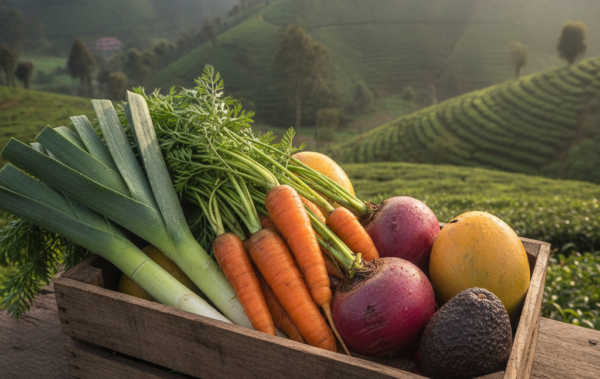
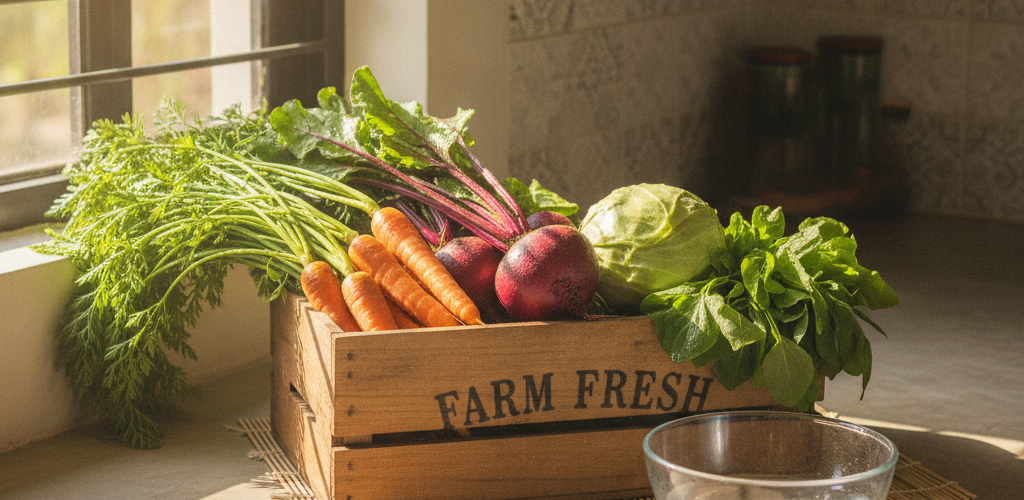
Nuwara Eliya is famous for its crunchy carrots. If your carrots or beetroots come with their green leafy tops still attached, cut them off immediately! Those leaves act like straws, drawing moisture and nutrients out of the root. You can cook the beet greens separately, but store the roots in a perforated plastic bag in the fridge.
3. Cruciferous Vegetables (Cabbage, Cauliflower, Broccoli)
These are relatively hardy but sensitive to ethylene gas (more on that later). Keep cauliflower and broccoli in their own compartment. Do not cut them until you are ready to cook, as increasing the surface area exposed to air causes them to lose vitamins and turn brown faster.
4. The ‘No-Fridge’ Zone
Not everything belongs in the refrigerator. In fact, cold temperatures can ruin the texture and flavor of certain items:
- Tomatoes: Cold air breaks down the cell membranes, making them mealy. Keep them on the counter, stem-side down.
- Potatoes: Cold converts their starch into sugar, changing the taste. Store them in a dark, cool, well-ventilated cupboard.
- Onions and Garlic: They need air circulation. Never store them in plastic bags; use a mesh bag or a basket instead.
The Science of Ethylene: Keeping Peace in the Crisper
Did you know that some vegetables ‘talk’ to each other through gas? Many fruits and some vegetables release ethylene, a natural ripening hormone. If you store ethylene-producers next to ethylene-sensitive produce, the latter will spoil prematurely.
Ethylene Producers: Tomatoes, apples, and bananas.
Ethylene Sensitive: Leafy greens, carrots, broccoli, and cucumbers.
Keep your tomatoes on the counter away from your leafy greens in the fridge to ensure your salads stay fresh for the whole week.
Dealing with Sri Lankan Humidity
In Sri Lanka, high humidity can lead to rapid fungal growth. If you find your refrigerator is often crowded, it restricts airflow, which raises the temperature and humidity inside. Try to leave space between your vegetable containers. If you notice condensation building up inside a container, wipe it out and replace the paper towel wrapping your greens.
The Value of Organic Living
Choosing organic isn’t just about avoiding chemicals; it’s about flavor and vitality. When you source your produce from NunuFresh, you are getting vegetables that were likely still in the ground in Nuwara Eliya just 24-48 hours prior. This freshness gives you a significant head start on shelf life compared to vegetables that have sat in wholesale markets for days.
By following these washing and storage tips, you ensure that the Vitamin C in your bell peppers remains high, the antioxidants in your purple cabbage stay potent, and the crunch in your carrots stays satisfying. Proper storage reduces food waste, saving your family money and honoring the natural resources used to grow your food.
Ready to Taste the Difference?
Now that you’re an expert on keeping produce fresh, it’s time to stock your kitchen with the best nature has to offer. At NunuFresh, we bridge the gap between the high-altitude farms of Nuwara Eliya and your dinner table. Experience the crunch of truly fresh, organic vegetables delivered with care.
Explore our latest harvest and order your organic vegetable box today!