No products in the cart.
How to Start a Home Vegetable Garden in Sri Lanka: A Guide
The Joy of Home Gardening in the Pearl of the Indian Ocean
In Sri Lanka, the tradition of home gardening is as old as our history itself. From the ancient ‘Wewai Daageyai’ culture to modern urban balconies in Colombo, growing our own food has always been a point of pride. Today, as we become more conscious of what we eat and where it comes from, starting a home vegetable garden in Sri Lanka is not just a hobby—it is a pathway to food security, health, and a deeper connection with nature.
Whether you have a sprawling backyard in Kandy or a small sunny terrace in a Colombo apartment, the tropical climate of our island offers a unique opportunity to grow a variety of nutrient-dense produce year-round. This guide will walk you through everything you need to know to transform your space into a flourishing organic oasis.
Understanding the Sri Lankan Climate and Seasons
Before you dig your first hole, it is crucial to understand the two main cultivation seasons in Sri Lanka: Maha and Yala. The Maha season, influenced by the North-East monsoon (October to January), is the main growing season for most of the island. The Yala season, driven by the South-West monsoon (May to August), requires more careful water management in the dry zones.
Wet Zone vs. Dry Zone Gardening
Sri Lanka is divided into three main climatic zones: Wet, Dry, and Intermediate. If you live in the Wet Zone (Western and Sabaragamuwa provinces), you have the advantage of frequent rainfall but must ensure your soil has excellent drainage to prevent root rot. In the Dry Zone (Northern, Eastern, and North-Central provinces), your focus will be on mulching and consistent irrigation to combat the intense heat.
Step 1: Choosing the Right Location
Most vegetables need at least 6 to 8 hours of direct sunlight every day. Observe your garden or balcony throughout the day to identify the sunniest spots. If you are in an urban setting, vertical gardening or using hanging pots can help you maximize sunlight exposure.
Proximity to a water source is equally important. In the heat of a Sri Lankan afternoon, carrying heavy buckets of water across a large garden can quickly become a chore. Aim for a spot that is easily accessible and protected from strong winds, which can damage delicate seedlings.
Step 2: Preparing Your Soil the Organic Way
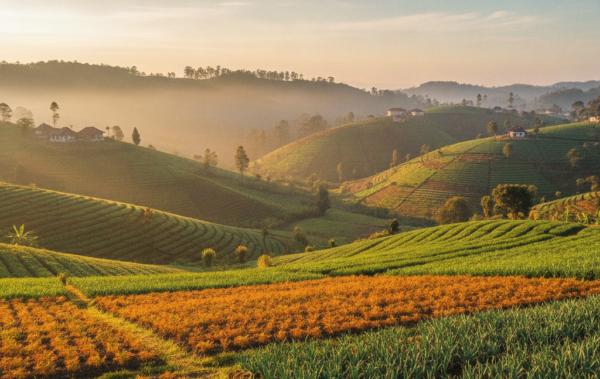
The secret to the legendary taste of Nuwara Eliya produce lies in the rich, volcanic-like soil of the central highlands. While you may not have the same soil profile in the lowlands, you can mimic its fertility through organic enrichment.
- Test Your Soil: If your soil is heavy clay, it will hold too much water. If it is sandy, water will drain too fast.
- Composting: Start a compost bin using kitchen scraps (vegetable peels, fruit skins, coffee grounds) and dry leaves. This ‘black gold’ is the best fertilizer you can give your plants.
- Red Soil and Cow Dung: A classic Sri Lankan mixture involves mixing local red soil with well-cured cow dung and coir dust to improve aeration and nutrient retention.
Step 3: Selecting Your Crops
For beginners, it is best to start with ‘hardy’ vegetables that are naturally resistant to local pests. Here are some of the best vegetables to grow at home in Sri Lanka:
Low-Country Favorites
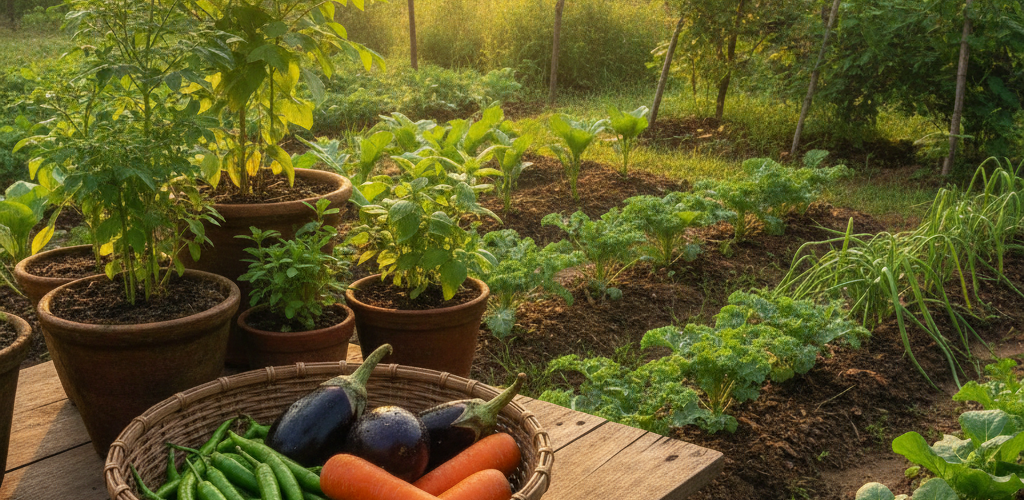
- Green Chilies (Malu Miris/Kochchi): A staple in every Sri Lankan kitchen. They grow exceptionally well in pots.
- Brinjal (Wambatu): These plants are prolific producers and love the tropical sun.
- Okra (Bandakka): Very easy to grow from seed and matures quickly.
- Leafy Greens (Mukunuwenna/Thampala): These are fast-growing and incredibly high in iron and vitamins.
The Challenge of Up-Country Vegetables
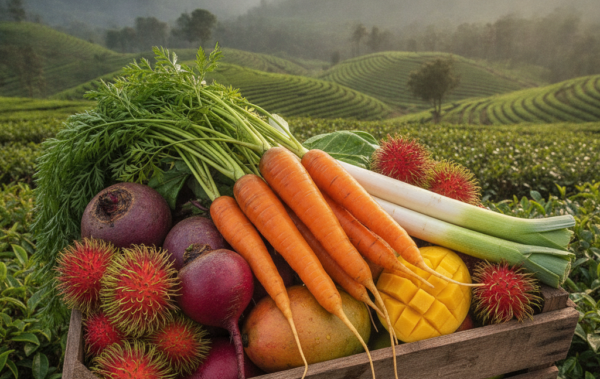
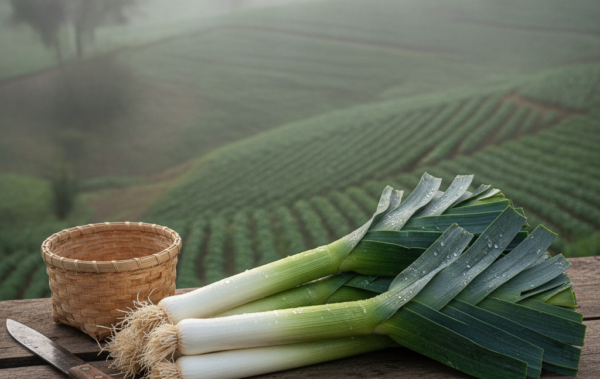
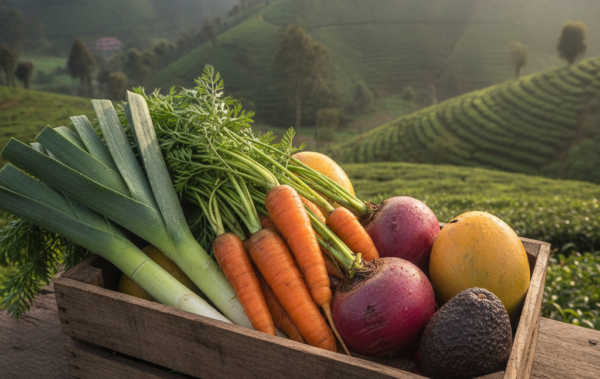
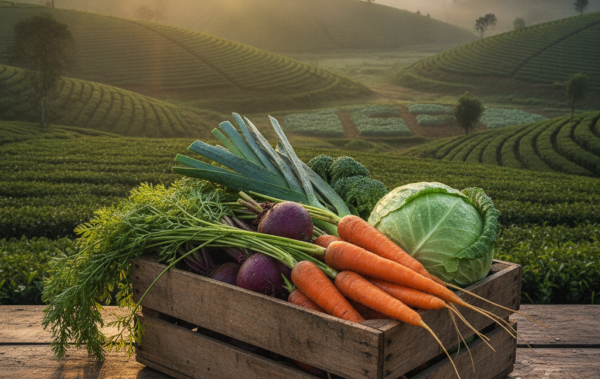
Many Sri Lankans love ‘English’ vegetables like carrots, leeks, and cabbage. While these thrive in the cool, misty climates of Nuwara Eliya, they can be challenging to grow in the heat of the plains. If you find these difficult to grow at home, you can always rely on NunuFresh to deliver that authentic Nuwara Eliya freshness directly to your doorstep, ensuring you still get those high-altitude nutrients without the gardening struggle.
Step 4: Planting and Spacing
When planting, avoid the temptation to crowd your vegetables. Plants need ‘breathing room’ to prevent the spread of fungal diseases, which are common in our humid climate. Follow the spacing instructions on seed packets carefully. For small seeds like chilies or tomatoes, it is often better to start them in a seed tray and transplant them into the ground once they have 4-5 true leaves.
Step 5: Natural Pest Control and Maintenance
One of the main reasons for home gardening is to avoid the chemical pesticides often found in commercial farming. In Sri Lanka, we have access to incredible natural pest repellents:
- Neem Oil (Kohomba Oil): A spray made from neem oil and mild soap is highly effective against aphids and caterpillars.
- Turmeric and Chili Powder: Dusting these around the base of plants can deter ants and other crawling insects.
- Companion Planting: Plant marigolds (Daspethiya) near your vegetables; their scent naturally repels many common garden pests.
Remember to water your plants early in the morning or late in the evening. Watering during the midday heat can lead to evaporation and leaf burn. Mulching with dried grass or straw around the base of the plants will help keep the roots cool and retain moisture.
Step 6: Harvesting and Sustainable Living
There is no greater satisfaction than harvesting your first batch of home-grown produce. Not only does it taste better, but the nutrient content is at its peak when consumed immediately after picking. By growing your own food, you are reducing your carbon footprint and contributing to a greener Sri Lanka.
However, we know that a complete Sri Lankan diet requires variety. While your home garden might provide the chilies and greens, you might still crave the crisp, cool-climate vegetables that only the central highlands can produce. NunuFresh bridges this gap by sourcing organic, farm-fresh produce from the heart of Nuwara Eliya, ensuring your kitchen is always stocked with the best the island has to offer.
Conclusion: Start Small, Grow Big
Starting a home vegetable garden in Sri Lanka is a journey of patience and learning. Don’t be discouraged if your first crop isn’t perfect. Every failed plant is a lesson in soil, water, or light. Start with just two or three types of vegetables and expand as you gain confidence. In time, you will find that your garden becomes a sanctuary of peace and a source of health for your entire family.
Ready to supplement your home-grown harvest with the finest organic produce from the hills? Explore the full range of fresh, farm-to-table vegetables at NunuFresh (nunufresh.lk) today and bring the taste of Nuwara Eliya to your home!