No products in the cart.
The Rise of Organic Certification in Sri Lankan Agriculture
Understanding the Organic Shift in Sri Lankan Farming
In recent years, the landscape of Sri Lankan agriculture has undergone a profound transformation. What was once a niche interest for a few health-conscious individuals has blossomed into a nationwide movement. Sri Lankan families are increasingly looking beyond the vibrant colors of vegetables at the local market, asking deeper questions about how their food is grown, what chemicals are used, and whether the produce is truly safe for their children. This shift in consciousness has led to the rise of organic certification in Sri Lanka, a rigorous process that ensures the food on your plate is as nature intended.
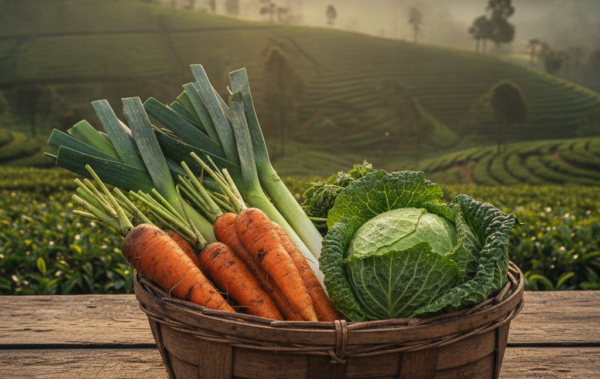
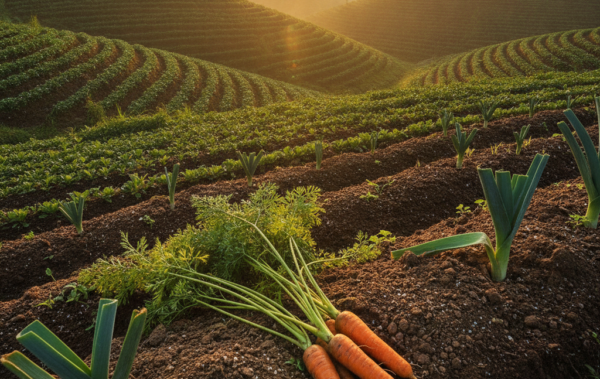
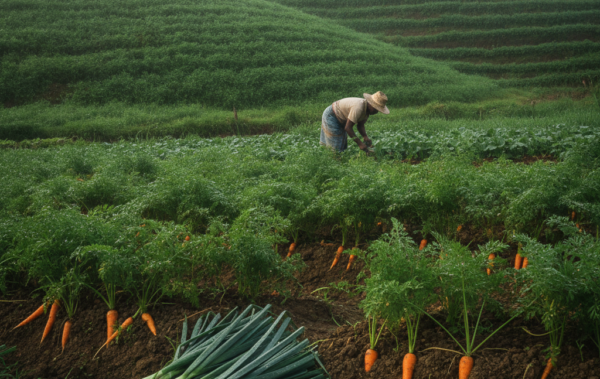
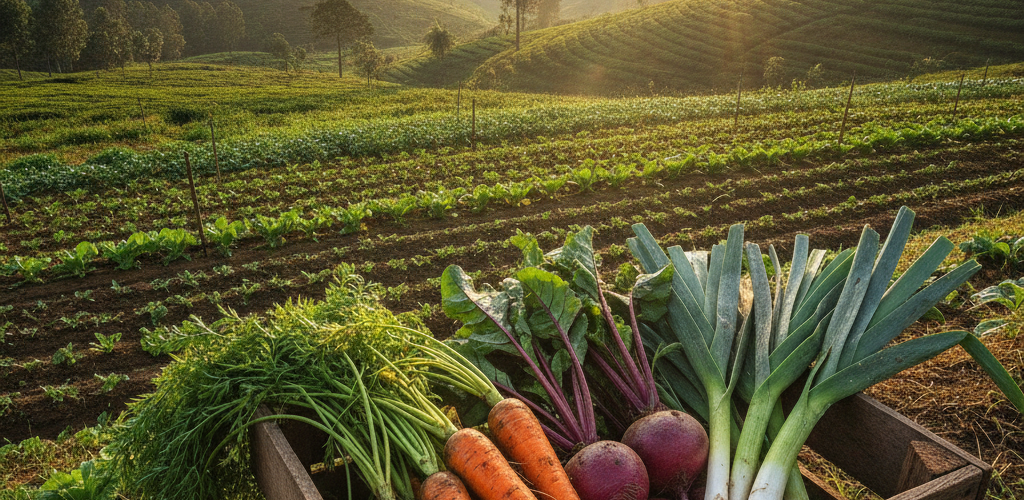
For generations, the mist-covered hills of Nuwara Eliya have been the heart of our island’s vegetable production. Known as “Little England,” this region’s unique microclimate and fertile soil are perfect for cool-climate crops like carrots, leeks, and potatoes. However, the move toward organic certification is changing the way these traditional farms operate, prioritizing soil health and biodiversity over chemical yields.
What is Organic Certification in Sri Lanka?
Organic certification is much more than just a label; it is a guarantee of quality and trust. In Sri Lanka, the primary standard for organic products is SLS 1324, established by the Sri Lanka Standards Institution (SLSI). This standard outlines strict requirements for production, processing, and labeling. To be certified organic, a farm must undergo a transition period—usually three years—during which no synthetic pesticides, herbicides, or fertilizers are used.
International certification bodies, such as Control Union and the Sri Lanka Export Development Board (EDB), also play a vital role. They monitor farms to ensure they meet global standards like the USDA Organic or EU Organic regulations. For a farmer in Nuwara Eliya, this means keeping detailed records of every seed planted and every compost pile turned. It is a labor-intensive process, but one that yields produce of unparalleled nutritional value.
The Drivers Behind the Organic Movement
Why is organic certification suddenly so important to the Sri Lankan consumer? Several factors have converged to create this demand:
- Health Concerns: With rising rates of non-communicable diseases (NCDs) in Sri Lanka, families are becoming more aware of the long-term effects of pesticide residues in their food.
- Environmental Protection: Sri Lankans are witnessing the impact of chemical runoff on our beautiful water bodies and soil fertility. Organic farming restores the earth rather than depleting it.
- Export Potential: Sri Lankan organic tea, spices, and fruits are in high demand globally. This international success has trickled down to the local vegetable market, setting a higher bar for domestic quality.
- Government Policy: Despite the complexities of the 2021 transition toward organic fertilizers, the national conversation it sparked has permanently increased awareness about sustainable farming practices.
The Role of Nuwara Eliya in the Organic Revolution
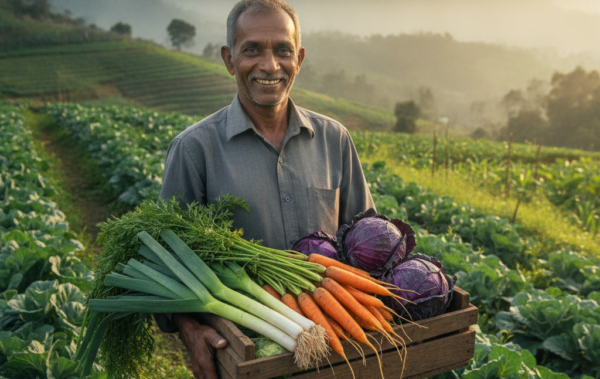
Nuwara Eliya is uniquely positioned to lead the organic movement. The high altitude and cool temperatures naturally reduce the prevalence of certain pests that plague lowland farms, making it slightly easier—though still challenging—to transition to organic methods. When you see a certified organic carrot from a Nuwara Eliya farm, you are seeing the result of a farmer who has chosen to work with the mountain ecosystem rather than against it.
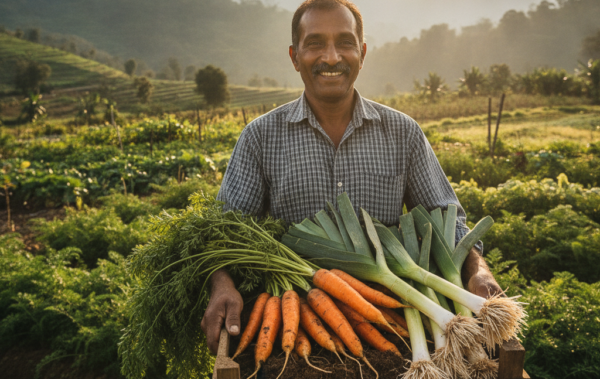
By supporting these farmers, platforms like NunuFresh help bridge the gap between the remote hills of the central highlands and the dining tables of families in Colombo and beyond. This direct link ensures that the certification’s integrity is maintained from the farm gate to your front door.
How to Identify Genuine Organic Produce
As the demand for organic food grows, so does the risk of “greenwashing”—where products are labeled as natural or organic without actual certification. For Sri Lankan shoppers, here is how to stay informed:
1. Look for the Logo
Genuine organic products should carry the logo of the certifying body, such as the SLSI organic mark or international labels like the EU leaf. If you are buying loose vegetables, ask your supplier about the specific farm source and their certification status.
2. Understand the Price Point
Organic produce often costs 20-30% more than conventional produce. This is because organic farming requires more manual labor, natural fertilizers (which can be more expensive to produce), and the certification process itself involves annual fees and inspections. When you pay a premium, you are investing in the farmer’s extra labor and your family’s long-term health.
3. Shop via Trusted Marketplaces
The rise of digital agriculture has made it easier to verify sources. Modern marketplaces like NunuFresh curate their selection carefully, working specifically with farms in Nuwara Eliya that prioritize sustainable and organic-certified methods. This transparency is the hallmark of the modern organic movement.
The Benefits of Choosing Certified Organic
Why should your family make the switch? The benefits go far beyond the kitchen:
- Nutrient Density: Studies suggest that organic crops often contain higher levels of antioxidants and certain vitamins compared to their conventional counterparts.
- No Toxic Residues: Organic certification strictly prohibits the use of synthetic neurotoxins and endocrine disruptors.
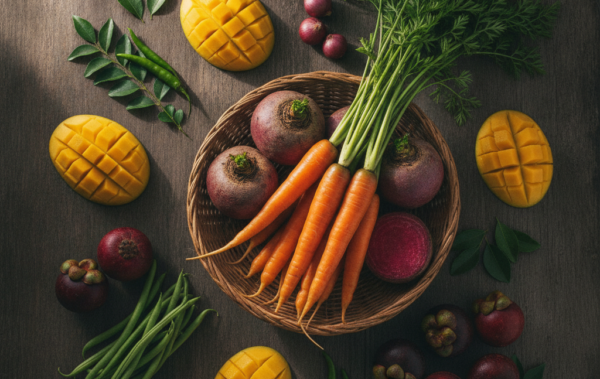
- Better Taste: Many chefs and home cooks swear by the superior flavor of organic Nuwara Eliya leeks and beets, which grow more slowly and develop deeper flavors.
- Supporting Biodiversity: Organic farms are havens for bees, butterflies, and beneficial soil microbes, ensuring the Sri Lankan countryside remains vibrant for future generations.
Challenges Facing Sri Lankan Organic Farmers
While the rise of certification is promising, it is not without hurdles. Many small-scale farmers in Nuwara Eliya find the cost of certification prohibitive. There is also a “yield gap” during the transition years where the soil is recovering. To overcome this, there is a growing movement toward “Participatory Guarantee Systems” (PGS), where local communities verify each other’s organic practices, making certification more accessible to the average farmer.
Conclusion: A Greener Future for Your Plate
The rise of organic certification in Sri Lanka is a testament to our island’s resilience and our growing commitment to health. By choosing certified produce, you aren’t just buying a vegetable; you are supporting a farmer in Nuwara Eliya who cares about the earth, and you are taking a proactive step toward a healthier lifestyle for your loved ones.
As we look to the future, the integration of technology and traditional wisdom will continue to make organic food more accessible. Whether it is through improved logistics or better certification standards, the goal remains the same: fresh, clean, and honest food for every Sri Lankan home.
Ready to bring the best of Nuwara Eliya to your kitchen? Explore the wide selection of fresh, sustainably grown, and organic-certified produce at NunuFresh and taste the difference that quality makes.