No products in the cart.
Pesticide-Free Farming in Sri Lanka: A Guide for Families
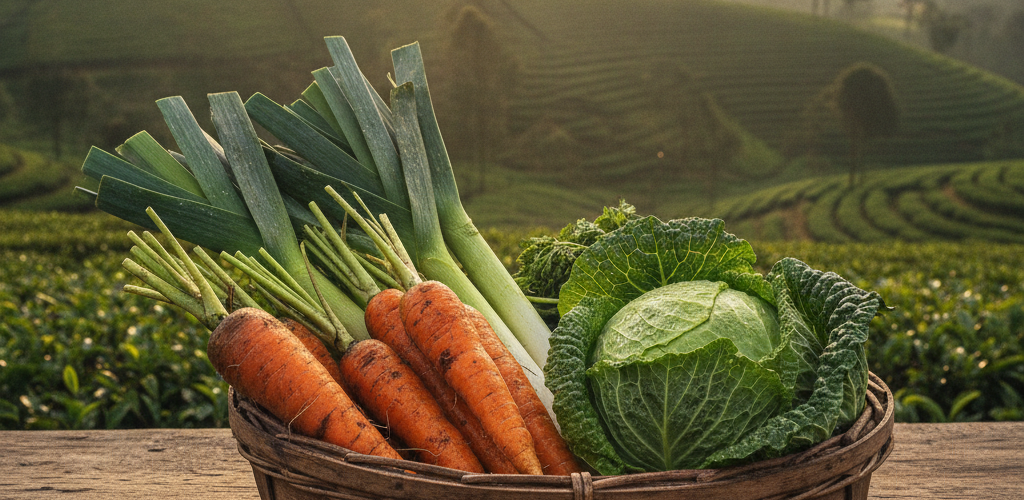
In the mist-covered hills of Nuwara Eliya, where the air is crisp and the soil is rich, a quiet revolution is taking place. For generations, Sri Lankan families have relied on the vibrant vegetables of the upcountry to fill their maluwa bowls. However, in recent years, a growing concern has entered our kitchens: the safety of the food we eat. As we become more health-conscious, the term “pesticide-free” has moved from a niche trend to a household necessity.
The Reality of Pesticide Use in Sri Lanka
Sri Lanka has long been an agricultural powerhouse, but the “Green Revolution” of the mid-20th century introduced a heavy reliance on chemical inputs. While this initially boosted yields, the long-term consequences have become impossible to ignore. Research indicates that in major vegetable-growing hubs like Nuwara Eliya and Badulla, pesticide application often exceeds prescribed safety levels. In some instances, farmers have been found to apply insecticides up to 16 times per season for crops like potatoes and leeks.
The Health Connection: CKDu and Beyond
One of the most pressing reasons for the shift toward pesticide-free farming is the rise of Chronic Kidney Disease of uncertain etiology (CKDu). Studies in Sri Lanka have shown that CKDu prevalence is significantly higher in farming communities—reaching up to 13.6% among paddy farmers compared to just 2.7% in non-farming populations. While the causes are complex, exposure to glyphosate and insecticides like Malathion has been identified as a critical risk factor. For a Sri Lankan mother or father, choosing pesticide-free produce isn’t just about nutrition; it’s about long-term family protection.
What Does “Pesticide-Free” Actually Mean?
It is easy to get lost in the terminology of modern agriculture. Many consumers use the terms “pesticide-free” and “organic” interchangeably, but there are subtle differences you should know:
- Certified Organic: This produce is grown according to strict international or national standards (like SLS 1324 in Sri Lanka). It prohibits synthetic pesticides and fertilizers entirely, focusing instead on soil health and biodiversity.
- Pesticide-Free: This generally means that no synthetic chemical pesticides were used during the growing process. However, it may not always carry a formal organic certification.
- GAP (Good Agricultural Practices): This is a middle ground where farmers use chemicals responsibly, ensuring that any residues left on the food are well below the Maximum Residue Limits (MRL) and safe for human consumption.
Why Nuwara Eliya is Leading the Change
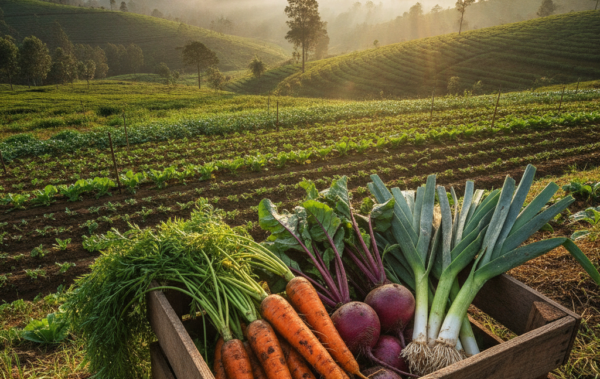
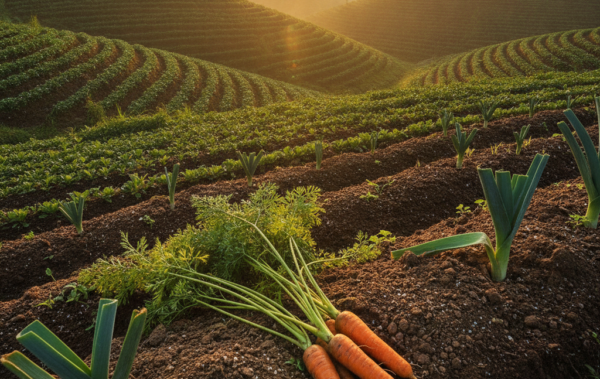
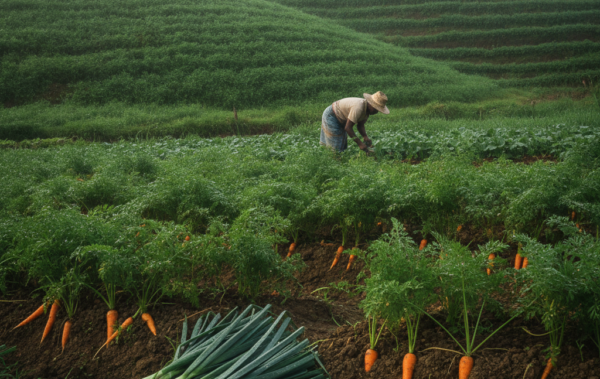
Nuwara Eliya is often called the “Salad Bowl” of Sri Lanka. Its unique temperate climate allows for the cultivation of exotic vegetables like carrots, leeks, cabbage, and bell peppers that cannot grow elsewhere on the island. Because these crops are high-value, they were historically the most chemically treated. Today, however, a new generation of farmers is embracing sustainable methods.
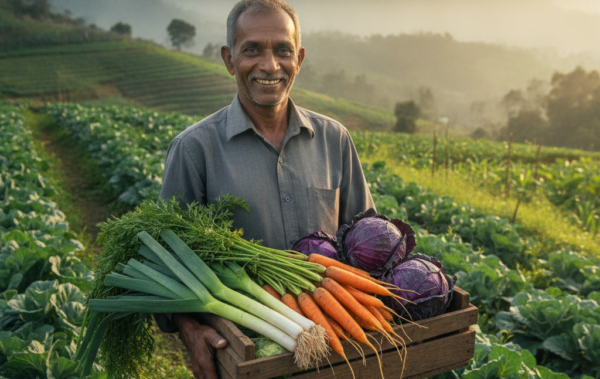
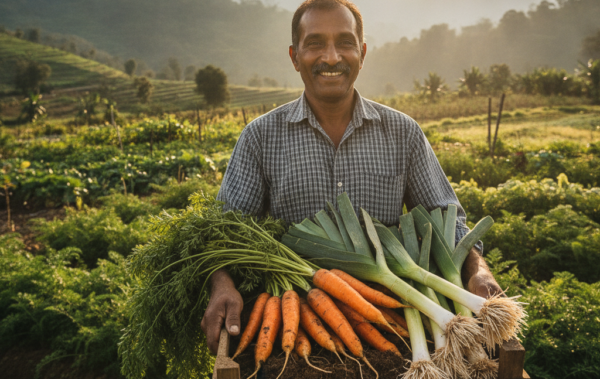
By using Integrated Pest Management (IPM), farmers are reducing their reliance on “the bottle.” They use natural predators, pheromone traps, and traditional Kem methods—ancient Sri Lankan astrological and ecological farming rituals—to manage pests. When you source produce through platforms like NunuFresh, you are often supporting these smallholder farmers who are committed to restoring the balance of the highland ecosystem.
The Nutritional Edge of Organic Produce
Is pesticide-free food actually better for you? The science says yes. Organic and pesticide-free vegetables often contain higher levels of antioxidants, such as polyphenols, which help the body fight inflammation. Furthermore, because these plants have to defend themselves against pests without chemical help, they often produce more of their own natural defense compounds, which translate to more intense flavors and higher nutrient density for us.
How to Identify Safe Produce in Sri Lanka
Shopping for safe vegetables in a local pola (market) can be challenging. Here are a few tips for Sri Lankan consumers:
1. Look for Imperfections
Perfectly shiny, oversized vegetables are often a sign of heavy chemical use. Natural, pesticide-free carrots or brinjals may be smaller and have slight variations in shape—this is a sign that nature, not a lab, did the work.
2. Know Your Source
The shortest path to safety is knowing where your food comes from. Buying directly from farms or trusted marketplaces that vet their farmers is the best way to ensure quality. NunuFresh, for example, works directly with Nuwara Eliya growers to ensure that the produce arriving at your doorstep is as fresh and clean as the mountain air it grew in.
3. Check for Certifications
Look for the “SL-GAP” or “Lanka Organic” logos on packaging. These are government-backed assurances that the farmer has followed safety protocols.
Environmental Impact: Protecting the Teardrop Isle
Pesticide-free farming doesn’t just save our health; it saves our land. Chemical runoff from highland farms often ends up in our major river systems, affecting drinking water and aquatic life thousands of kilometers away. By choosing pesticide-free, you are helping to protect Sri Lanka’s biodiversity, ensuring that our soil remains fertile for our children and grandchildren.
Conclusion: Making the Switch for Your Family
Transitioning to a pesticide-free lifestyle doesn’t have to happen overnight. Start by replacing your “Dirty Dozen”—the crops most likely to have high residues, such as tomatoes, leafy greens, and bell peppers—with organic alternatives. As demand for clean food grows in Sri Lanka, it becomes easier and more affordable for everyone to access.
Every time you choose a pesticide-free carrot or a bundle of organic gotu kola, you are voting for a healthier Sri Lanka. You are supporting a farmer in Nuwara Eliya who is working hard to protect the earth, and you are giving your family the gift of pure, untainted nutrition.
Ready to taste the difference? Explore our curated selection of farm-fresh, pesticide-free produce at NunuFresh and bring the best of Nuwara Eliya directly to your kitchen today.