No products in the cart.
Traditional Sri Lankan Cauliflower Recipes Made Healthier
The Nuwara Eliya Connection: Where Quality Begins
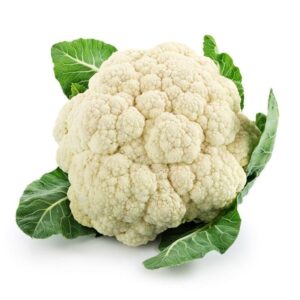
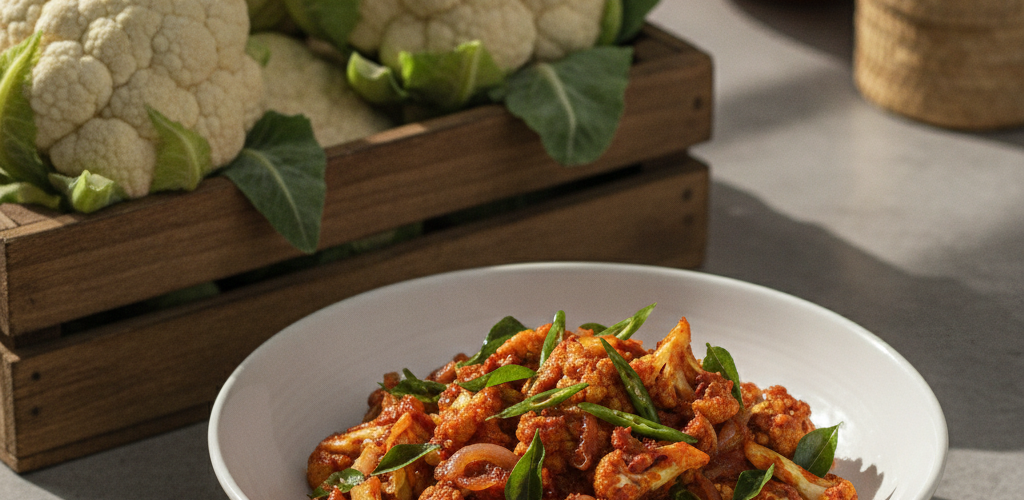
In the mist-covered highlands of Nuwara Eliya, the cool climate and fertile soil create the perfect sanctuary for temperate vegetables. Among these, the cauliflower stands out as a crown jewel of up-country farming. For generations, Sri Lankan families have integrated this versatile cruciferous vegetable into their diets, but as we become more health-conscious, the way we prepare it is evolving. At NunuFresh, we believe that the journey to a healthier lifestyle starts with the soil. By sourcing organic produce directly from Nuwara Eliya farms, we ensure that the cauliflower reaching your kitchen is packed with the peak nutrients intended by nature.
Traditional Sri Lankan cooking is celebrated for its bold spices and rich coconut-based gravies. However, traditional methods often involve deep-frying or the heavy use of saturated fats. This article explores how we can honor our culinary heritage while adapting these recipes to support a modern, health-oriented lifestyle. By making small, mindful adjustments, we can transform classic dishes into nutritional powerhouses without sacrificing the authentic Lankan flavor we all love.
Nutritional Powerhouse: Why Cauliflower Belongs on Your Plate
Before we dive into the recipes, it is essential to understand why cauliflower is such a vital component of a healthy diet. Scientifically known as Brassica oleracea, cauliflower is incredibly low in calories yet high in vitamins. A single cup of raw cauliflower contains approximately 77% of the daily recommended intake of Vitamin C, which is crucial for immune health—a priority for every Sri Lankan household.
Furthermore, cauliflower is an excellent source of fiber. Fiber is essential for digestive health and helps in maintaining a healthy weight by promoting a feeling of fullness. It also contains unique antioxidants like glucosinolates and isothiocyanates, which have been studied for their potential roles in reducing the risk of chronic diseases. When you choose organic cauliflower from NunuFresh, you are avoiding the synthetic pesticides often used in conventional farming, ensuring that these health benefits are not compromised by chemical residues.
Traditional Sri Lankan Cauliflower Recipes: The Healthy Makeover
Let’s look at three classic ways Sri Lankans enjoy cauliflower and how we can make them significantly healthier.
1. The Low-Oil Cauliflower Devilled (The “Baked” Twist)
The ‘Devilled’ style is a staple in Sri Lankan cuisine, usually served at gatherings. Traditionally, the cauliflower florets are deep-fried until golden before being tossed in a spicy, sugary sauce. To make this healthier, we swap the deep fryer for an oven or an air fryer.
- The Healthy Swap: Instead of deep-frying, toss your fresh Nuwara Eliya cauliflower florets in a tablespoon of cold-pressed coconut oil or olive oil, a pinch of turmeric, and salt.
- The Method: Bake at 200°C for 20 minutes until the edges are charred and crispy.
- The Sauce: Reduce the amount of sugar and commercial tomato sauce. Instead, use fresh tomato puree, minced ginger, garlic, and plenty of crushed chili flakes. Sauté onions and capsicum lightly to maintain their crunch and nutrient profile.
This version reduces the calorie count by nearly 60% and eliminates the harmful trans-fats associated with reused frying oil.
2. Nutrient-Dense Cauliflower Mallum
Mallum is traditionally a salad of finely chopped greens, but cauliflower mallum is a popular variation. The traditional recipe often uses a large amount of scraped coconut, which, while delicious, can be high in calories.
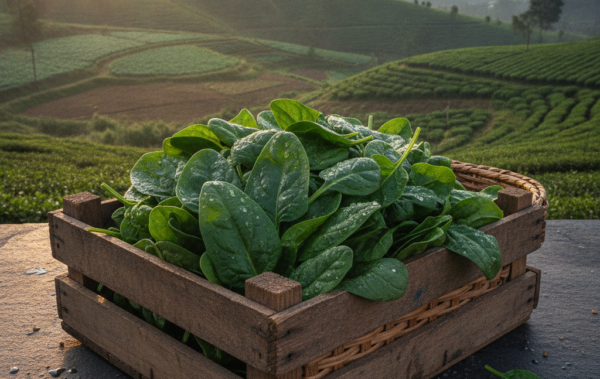
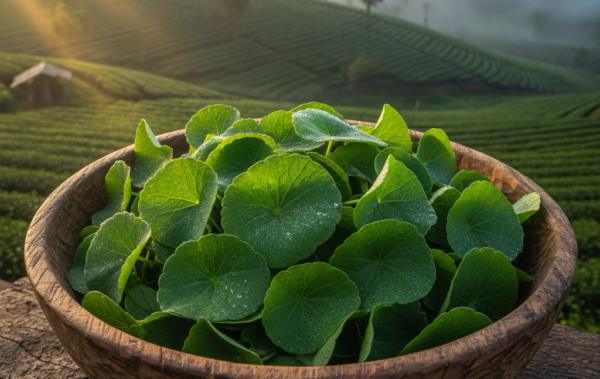
- The Healthy Swap: Use a 1:1 ratio of cauliflower to leafy greens (like Gotukola or Mukunuwenna). This increases the chlorophyll and iron content of the dish.
- The Method: Steam the finely chopped cauliflower instead of sautéing it. This preserves the water-soluble vitamins (B and C) that are often lost in high-heat cooking.
- The Flavor: Use fresh lime juice and a smaller portion of freshly scraped organic coconut. The acidity of the lime helps in the absorption of plant-based iron from the greens.
3. Light and Creamy Cauliflower White Curry (Kiri Hodi Style)
A cauliflower white curry is the ultimate comfort food. The traditional recipe relies heavily on thick, first-extract coconut milk (Mita Kiri).
- The Healthy Swap: Use “thin” coconut milk (Diya Kiri) for the base and thicken the gravy using a tablespoon of ground cashews or a small amount of blended cooked cauliflower. This creates a creamy texture with less saturated fat.
- The Method: Add plenty of fenugreek seeds (Uluhal). Fenugreek is known in Sri Lankan traditional medicine for its ability to help regulate blood sugar levels.
- Pro Tip: Do not overcook the cauliflower. It should have a slight ‘bite’ to it. Overcooking vegetables leads to a significant loss of folate and potassium.
Why Organic and Freshness Matters
The effectiveness of these healthy recipes depends entirely on the quality of the ingredients. In Sri Lanka, the time between harvest and consumption is critical. Many vegetables found in local markets have traveled long distances in harsh conditions, losing moisture and nutrients along the way. This is where the NunuFresh model changes the game. By bridging the gap between Nuwara Eliya farms and your doorstep, we minimize the transit time.
Organic farming practices in the central hills focus on soil health. Healthy soil produces plants with higher mineral content. When you eat an organic cauliflower, you are often getting more magnesium, phosphorus, and potassium than you would from a chemically-fertilized counterpart. Furthermore, the absence of nitrogen-heavy fertilizers means the vegetable has a more concentrated, natural flavor, reducing the need for excess salt and artificial seasonings in your cooking.
Practical Tips for Cooking Cauliflower the Sri Lankan Way
To get the most out of your produce, follow these simple kitchen tips:
- Don’t Throw the Stems: The stems and even the inner leaves of the cauliflower are edible and highly nutritious. Chop them finely and add them to your dhal or sambol.
- Turmeric Soak: Always wash your cauliflower in a bowl of water with a teaspoon of turmeric and salt. This is an age-old Sri Lankan practice that helps remove any hidden insects or surface impurities.
- Spice Synergy: Sri Lankan spices like black pepper and turmeric work better together. The piperine in pepper increases the absorption of curcumin in turmeric by up to 2,000%. Always add a crack of black pepper to your cauliflower dishes.
Conclusion: Eating Well, Living Better
Redefining our relationship with traditional food doesn’t mean giving up our culture. It means honoring our bodies as much as we honor our palates. By choosing fresh, organic cauliflower from the hills of Nuwara Eliya and applying these healthier cooking techniques, you are making a long-term investment in your family’s health. Small changes—like baking instead of frying or using thinner coconut milk—can lead to significant improvements in heart health and weight management over time.
Ready to bring the freshness of Nuwara Eliya into your kitchen? Explore the wide selection of organic, farm-fresh produce at NunuFresh and start your journey toward a healthier Sri Lankan plate today. From crisp cauliflower to vibrant greens, we deliver the best of the hills directly to your home.
Shop Fresh from NunuFresh
These products mentioned in this article are available for delivery: