No products in the cart.
A Guide to Sri Lankan Seasonal Fruits and Vegetables
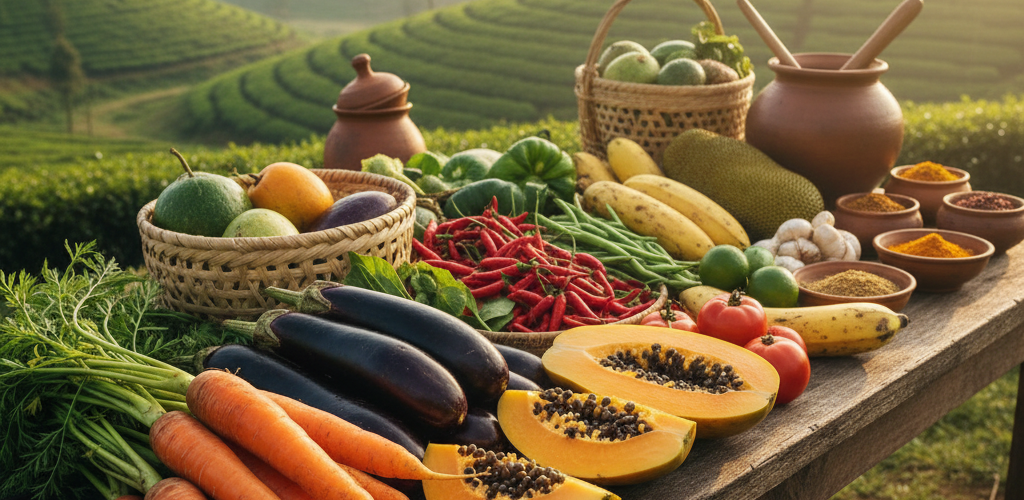
The Rhythm of Nature: Why Seasonal Eating Matters in Sri Lanka
In the vibrant tropical landscape of Sri Lanka, the concept of eating seasonally is woven into the very fabric of our culture. Long before global supply chains brought imported produce to our supermarket shelves, Sri Lankan families lived in harmony with the island’s unique agricultural cycles. Eating seasonally isn’t just a trend; it is a lifestyle that ensures you are consuming food at its nutritional peak, supporting local farmers, and enjoying the most intense flavors nature has to offer.
When we eat fruits and vegetables that are in season, we are choosing produce that has been allowed to ripen naturally in the sun, rather than being harvested early and ripened in transit. For a country like Sri Lanka, where the climate varies significantly from the humid coastal plains to the mist-shrouded peaks of Nuwara Eliya, understanding these seasons is the key to a healthier kitchen. In this guide, we will explore the agricultural heartbeat of our nation and help you navigate the bounty of our land.
Understanding Sri Lanka’s Agricultural Seasons: Yala and Maha
To master the art of seasonal eating in Sri Lanka, one must first understand our two primary cultivation seasons: Yala and Maha. These seasons are dictated by the two major monsoons that sweep across the Indian Ocean, determining when seeds are sown and when the harvest is gathered.
The Maha Season (October to March)
The Maha season is the main cultivation period in Sri Lanka. It coincides with the North-East Monsoon, which brings significant rainfall to the entire island, particularly the dry zone and the eastern slopes. During this time, the soil is rich with moisture, making it the ideal time for rice cultivation and a wide variety of field crops. This is when you will see an abundance of traditional vegetables filling the local markets.
The Yala Season (April to September)
The Yala season is driven by the South-West Monsoon. While it brings less rainfall than the Maha season, it is crucial for crops in the wet zone and the central highlands. During Yala, farmers focus on shorter-term crops that can thrive with the intermittent rains and the intense tropical sun. This period is particularly famous for the explosion of tropical fruits that Sri Lankans look forward to all year round.
The Gems of the High Country: Nuwara Eliya’s Year-Round Bounty
While much of the country follows the Yala and Maha cycles for traditional paddy and field crops, the central highlands—specifically Nuwara Eliya—operate on a slightly different rhythm. Often referred to as ‘Little England,’ the cool, temperate climate of Nuwara Eliya allows for the cultivation of ‘Up-country’ or ‘English’ vegetables that cannot grow elsewhere on the island.
The high altitude and fertile soil of Nuwara Eliya produce some of the most nutrient-dense vegetables in the region. Because of the consistent moisture and cooler temperatures, many farmers in this region can produce multiple harvests throughout the year. When you choose produce from this region through trusted sources like NunuFresh, you are getting vegetables that have been grown in some of the most pristine agricultural conditions in Sri Lanka.
A Seasonal Calendar for Sri Lankan Fruits
Sri Lanka is a paradise for fruit lovers. Because of our varied microclimates, there is always something delicious coming into season. Here is a breakdown of when to look for your favorites:
- Mangoes (April to July): While some varieties like Karthacolomban can be found at other times, the peak of the mango season hits during the hottest months. This is when the fruit is sweetest and most fragrant.
- Rambutan & Mangosteen (June to August): These are the true stars of the mid-year season. Primarily grown in the Malwana and Kalutara regions, these fruits are highly seasonal and best enjoyed when they are freshly harvested.
- Avocados (May to September): Sri Lankan avocados are known for their buttery texture. They thrive in the intermediate and wet zones during these months.
- Pineapples (Year-round, peak in May/June): While available throughout the year, the sweetness levels of pineapples peak during the onset of the South-West monsoon.
- Wood Apple & Beli (August to October): These traditional fruits are hard-shelled powerhouses of nutrition that peak toward the end of the year.
Essential Sri Lankan Vegetables and Their Peak Seasons
Vegetables in Sri Lanka can be categorized into ‘Up-country’ and ‘Low-country’ varieties. Understanding their peaks helps in planning nutritious, budget-friendly meals for your family.
Up-country Specialties (Nuwara Eliya Favorites)
- Carrots and Leeks: These are at their best from December to February, following the Maha rains, though they are cultivated throughout the year in the mist-covered valleys of the highlands.
- Potatoes: The Nuwara Eliya potato is famous for its thin skin and creamy texture. The major harvests typically occur in February/March and again in August/September.
- Beetroot and Cabbage: These thrive in the cooler months and are essential for maintaining a balanced diet during the dry spells.
Low-country Staples
- Pumpkin and Ash Plantain: These are incredibly resilient and are usually abundant during the Maha harvest in February and March.
- Snake Gourd and Ridge Gourd: These hydrating vegetables are most plentiful during the warmer months of the Yala season, providing much-needed cooling properties for the body.
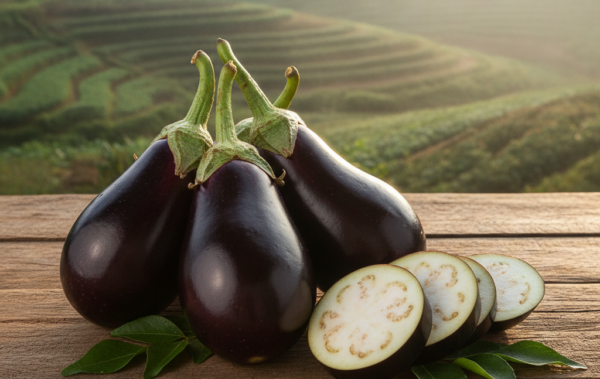
- Brinjals (Eggplant): A staple in every Sri Lankan household, brinjals are most abundant from January to April.
The Organic Difference: Why Seasonal and Organic Go Hand-in-Hand
Choosing seasonal produce is a great first step, but choosing organic seasonal produce is even better. In Sri Lanka, the transition toward organic farming is gaining momentum as more families realize the impact of synthetic pesticides and fertilizers on their health.
Organic farming relies on the natural cycles of the earth. When a vegetable is grown organically and in its proper season, it develops a stronger immune system, which translates to higher levels of antioxidants and phytonutrients for you. Organic farms in the Nuwara Eliya region, which supply NunuFresh, use traditional composting methods and natural pest control, ensuring that the produce you receive is as close to nature as possible. By eating organic and seasonal, you are avoiding the chemical residues often found in off-season, mass-produced crops.
Practical Tips for Choosing the Freshest Produce
How do you know if what you’re buying is truly fresh and seasonal? Here are a few tips for the savvy Sri Lankan shopper:
- Follow the Smell: Fruits like mangoes, jackfruit, and pineapples should have a strong, sweet aroma at the stem. If there is no scent, they were likely picked too early.
- Check the Weight: For citrus fruits and gourds, pick them up! They should feel heavy for their size, indicating high water content and freshness.
- Look for Vibrant Colors: While ‘perfect’ looking vegetables can sometimes be a sign of heavy pesticide use, seasonal organic produce should have deep, natural colors. Dullness often indicates that the produce has been in cold storage for too long.
- Shop from the Source: The closer you are to the farm, the better. Services that deliver directly from Nuwara Eliya farms to your doorstep significantly reduce the time from harvest to table.
Conclusion: Embracing the Bounty of Sri Lanka
Eating seasonally is a journey back to our roots. It encourages us to explore new recipes, support our local farming communities, and nourish our bodies with the best that the Sri Lankan soil has to offer. Whether it is the crisp carrots of Nuwara Eliya or the succulent mangoes of the dry zone, every season brings a new opportunity to celebrate health and flavor.
Ready to experience the true taste of the season? Explore the curated selection of farm-fresh, organic produce at NunuFresh. We bring the best of Nuwara Eliya’s harvests directly to your home, ensuring that your family enjoys the highest quality vegetables and fruits, grown with care and delivered with love.