No products in the cart.
How Sri Lankan Farmers Are Going Organic: Challenges & Successes
The Green Revolution in the Hills: Sri Lanka’s Organic Journey
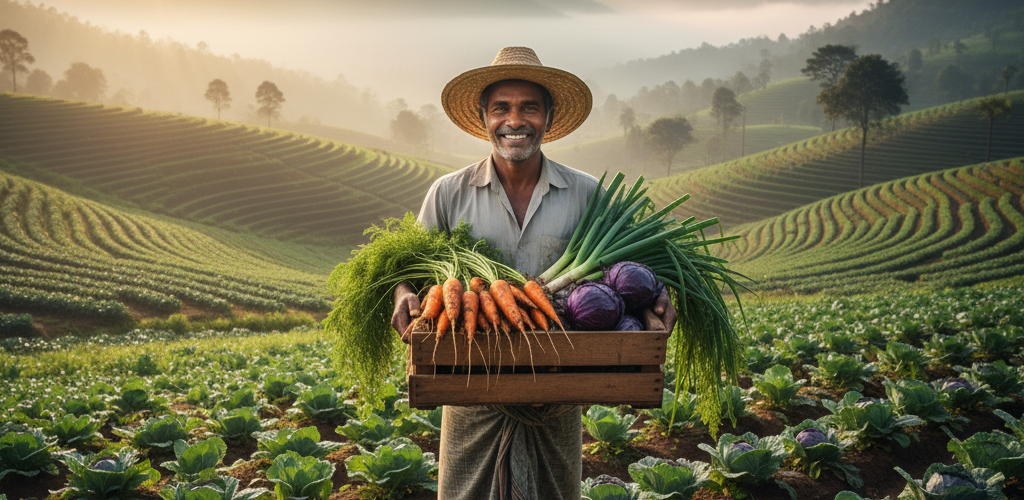
For generations, the misty mountains of Nuwara Eliya have been the heart of Sri Lankan agriculture. Often referred to as ‘Little England,’ this region provides the perfect climate for a bounty of vegetables that grace the tables of households across the island. However, in recent years, a quiet revolution has been taking root among the terraced fields. Sri Lankan farmers are increasingly looking back to their ancestral roots, embracing organic farming practices that prioritize the health of the soil, the environment, and the consumer.
The transition to organic agriculture in Sri Lanka is not merely a trend; it is a movement born out of necessity and a deep-seated respect for the land. While the journey has been marked by significant hurdles, the success stories emerging from the hills of Nuwara Eliya and beyond offer a hopeful blueprint for the future of food security in our nation.
Understanding the Shift: Why Organic?
To understand why Sri Lankan farmers are making the switch, we must look at the impact of conventional farming. For decades, the heavy use of synthetic fertilizers and chemical pesticides was seen as the only way to meet the demands of a growing population. However, this came at a cost. Soil degradation, the loss of biodiversity, and rising health concerns among both farmers and consumers led many to seek a more sustainable path.
The Health and Environmental Imperative
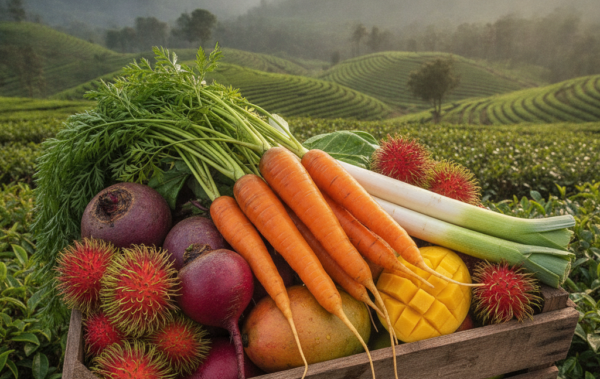
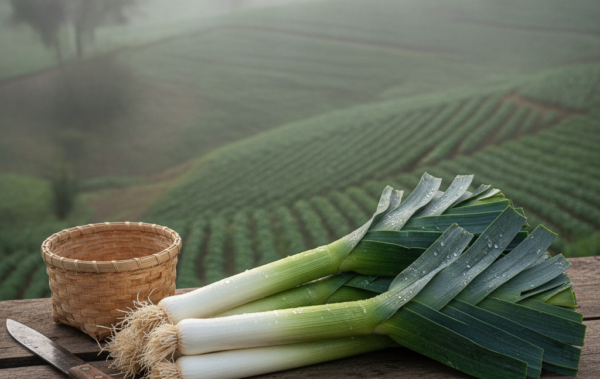
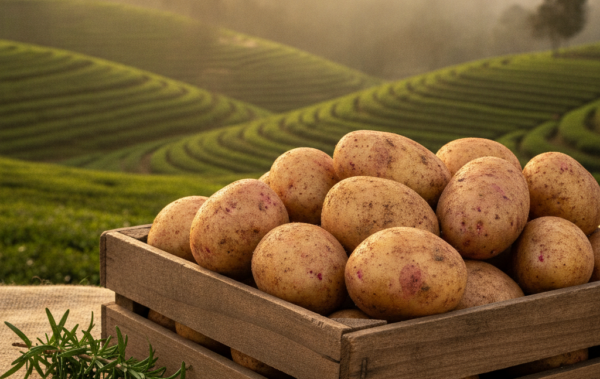
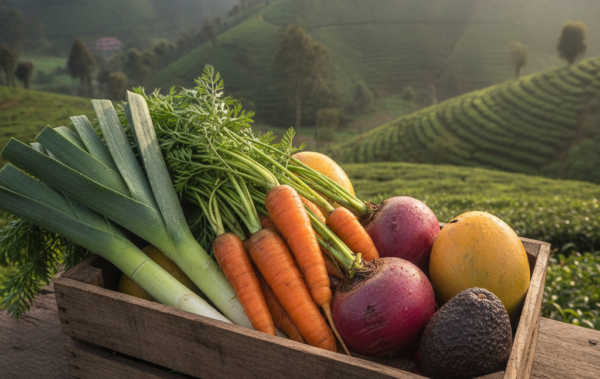
Organic farming eliminates the use of toxic chemicals, ensuring that the carrots, leeks, and potatoes grown in Nuwara Eliya are as nature intended. For Sri Lankan families, this means access to produce that is free from harmful residues. Beyond health, organic practices enhance soil fertility by encouraging natural microbial activity. In the steep terrains of the hill country, healthy soil structure is also vital for preventing erosion during the heavy monsoon rains.
The 2021 Pivot: A Turning Point for Sri Lankan Agriculture
The story of organic farming in Sri Lanka cannot be told without mentioning the 2021 nationwide ban on chemical fertilizers. While the policy was implemented abruptly, leading to a temporary drop in yields and economic hardship for many, it served as a massive, albeit painful, catalyst for change. It forced a national conversation about the feasibility of organic farming at scale.
Today, the lessons learned from that period have led to a more nuanced and scientific approach. Farmers are no longer just ‘avoiding chemicals’; they are learning the art of integrated pest management, the science of composting, and the benefits of crop rotation. According to recent agricultural surveys, while the total land under certified organic cultivation remains a small percentage of total land (roughly 3-4%), the number of smallholder farmers adopting ‘natural’ or ‘low-chemical’ practices is on a steady rise.
The Challenges: Why the Path to Organic Isn’t Easy
Despite the enthusiasm, the road to a fully organic Sri Lanka is paved with challenges. For a farmer in Nuwara Eliya, switching to organic isn’t as simple as swapping one bag of fertilizer for another.
1. The Yield Gap and Transition Period
When a farm moves from conventional to organic, there is typically a ‘transition period’ where yields may drop by 20% to 30%. The soil, which has become dependent on synthetic inputs, needs time to regain its natural balance. For a smallholder farmer living harvest-to-harvest, this temporary loss of income can be devastating.
2. High Costs of Certification
To sell produce as ‘Certified Organic’ in international markets or premium local stores, farmers must undergo rigorous and expensive certification processes. For a local farmer with just an acre or two of land, the administrative and financial burden of certification is often out of reach.
3. Knowledge and Labor Intensity
Organic farming is knowledge-intensive. Instead of spraying a broad-spectrum pesticide, a farmer must understand the lifecycle of pests and use natural deterrents like neem oil or pheromone traps. It also requires more manual labor for weeding and producing high-quality compost, which can be difficult to find in an aging rural workforce.
The Success Stories: Triumphs in the Nuwara Eliya District
Despite these hurdles, many farmers in the Nuwara Eliya district are proving that organic farming is not just possible, but profitable. By forming cooperatives and clusters, these farmers share the costs of certification and knowledge exchange.
We are seeing success in the cultivation of heirloom varieties—traditional Sri Lankan vegetables that are naturally more resistant to local pests. In areas like Kandapola and Welimada, farmers are successfully producing organic cabbage, beetroot, and bell peppers that rival conventional produce in size and far exceed them in flavor and nutritional density.
Success is also being driven by direct-to-consumer platforms. By cutting out the traditional middleman at the ‘Maniyo’ (wholesale markets), farmers can receive a fairer price for their organic efforts. NunuFresh, for instance, works closely with these dedicated growers, ensuring that their hard work is rewarded and that the freshest produce reaches Colombo and other urban centers within hours of being harvested.
How Sri Lankan Consumers Support the Movement
The success of the organic movement depends heavily on the consumer. When you choose to buy organic, you are not just buying a vegetable; you are investing in the health of Sri Lanka’s soil and the livelihood of a farmer who has chosen the harder, more sustainable path.
The Importance of ‘Ugly’ Produce
One of the biggest shifts required by consumers is the acceptance of ‘perfectly imperfect’ produce. In conventional farming, chemicals are used to ensure every carrot is perfectly straight and every leaf is hole-free. In the organic world, a small blemish on a tomato or a slightly smaller potato is a sign of natural growth. These minor aesthetic differences have no impact on the superior taste and nutrition of the food.
NunuFresh: Bridging the Gap from Farm to Table
At NunuFresh, we believe that every Sri Lankan family deserves access to the highest quality produce our island can offer. By sourcing directly from the farms of Nuwara Eliya, we reduce the carbon footprint of your groceries and ensure that the farmers receive the support they need to continue their organic journey. Our platform makes it easy to discover seasonal, fresh, and responsibly grown vegetables that are delivered straight to your doorstep.
The Future: A Greener Sri Lanka
The journey toward organic farming in Sri Lanka is a marathon, not a sprint. It requires a synergy between government policy, farmer education, and consumer demand. As more farmers witness the long-term benefits of healthy soil and stable ecosystems, the movement will only grow stronger.
From the lush green hills of Nuwara Eliya to the bustling kitchens of Sri Lankan homes, the shift toward organic is a testament to our resilience and our commitment to a healthier future. By supporting local organic initiatives, we ensure that our ‘Granary of the East’ legacy continues for generations to come.
Ready to experience the difference of farm-fresh, responsibly grown produce? Explore the NunuFresh collection today and bring the taste of Nuwara Eliya’s finest harvests into your kitchen.