No products in the cart.
Fresh Produce Calendar: What’s in Season in Sri Lanka
The Magic of Seasonal Eating in the Tropics
In a world where supermarket shelves are often stocked with imported goods year-round, the art of eating seasonally can feel like a lost tradition. However, in Sri Lanka, our relationship with the land remains deeply rooted in the rhythmic cycles of nature. For Sri Lankan families, choosing produce that is ‘in season’ isn’t just a culinary preference; it is a way to ensure the highest nutritional value, the best flavor, and the most sustainable footprint for our planet.
Sri Lanka’s unique geography—ranging from the misty highlands of Nuwara Eliya to the sun-drenched coastal plains—allows for a diverse range of crops. When you eat according to the local calendar, you are consuming vegetables and fruits at their peak ripeness, often harvested just hours before they reach your kitchen. At NunuFresh, we believe that understanding these cycles helps consumers make better choices for their health and their homes.
Understanding Sri Lanka’s Agricultural Seasons: Yala and Maha
To master the seasonal calendar, one must first understand the two primary cultivation seasons in Sri Lanka: Maha and Yala. These seasons are dictated by the monsoon rains, which are the lifeblood of our island’s agriculture.
- The Maha Season: This is the main cultivation season, coinciding with the North-East Monsoon. It typically starts in September/October and lasts until March. During this time, the majority of the island’s rice and highland vegetables are planted.
- The Yala Season: This is the second cultivation season, synchronized with the South-West Monsoon. It usually spans from May to the end of August. While smaller in scale than Maha, it is crucial for maintaining a steady supply of low-country vegetables and tropical fruits.
By following these natural cycles, farmers in regions like Nuwara Eliya can produce high-quality organic crops without over-relying on artificial interventions, ensuring that the produce arriving at your doorstep is as nature intended.
The Nuwara Eliya Factor: Sri Lanka’s Vegetable Garden
Nuwara Eliya, often referred to as ‘Little England,’ sits at an elevation of about 1,868 meters. This high altitude and cool climate make it the premier hub for ‘Up-Country’ or ‘English’ vegetables. While the rest of the island might be experiencing tropical heat, the mist-covered hills of Nuwara Eliya provide the perfect environment for crops like leeks, carrots, cabbage, and strawberries.
Farming in this region requires a delicate balance. The rich, acidic soil and the frequent rainfall create a unique terroir that gives Nuwara Eliya produce its signature crispness and sweetness. When you source through platforms like NunuFresh, you are getting produce directly from these highland farms, bypassing lengthy supply chains that often lead to nutrient loss.
Month-by-Month Guide to Sri Lankan Produce
January – March: The Maha Harvest Peak
The beginning of the year is a time of abundance. As the Maha season reaches its peak, the markets are flooded with fresh, vibrant vegetables. This is the best time for root vegetables and cruciferous greens.
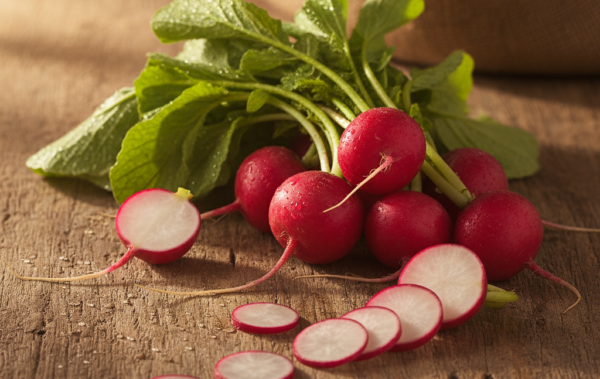
- Vegetables: Carrots, Leeks, Potatoes (Nuwara Eliya), Knohl-kohl, Cabbage, and Beetroot. You will also find an abundance of Green Beans and Radishes.
- Fruits: This is a great time for Papaya and Guava, which remain relatively stable, but keep an eye out for the tail-end of the wood apple season.
April – June: The Season of Sweetness
As the Sinhala and Tamil New Year approaches in April, the focus shifts toward fruits. This period marks the beginning of the fruit ‘golden era’ in Sri Lanka.
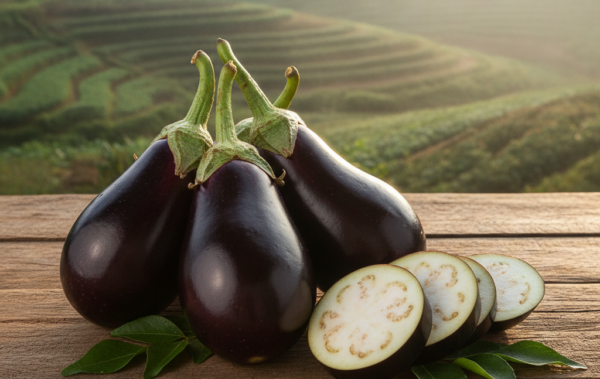
- Vegetables: Brinjals (Eggplant), Okra (Bandakka), and Snake Gourd (Pathola) thrive in the warming weather.
- Fruits: This is the peak for Mangoes (Karuthacolomban and Vellaicollamban). You will also see the first harvest of Mangosteen and Rambutan toward the end of June. Avocadoes also begin to appear in the up-country regions.
July – September: The Yala Bounty
The mid-year months are dominated by the Yala harvest. This is the best time to enjoy tropical exotics and hardy low-country vegetables.
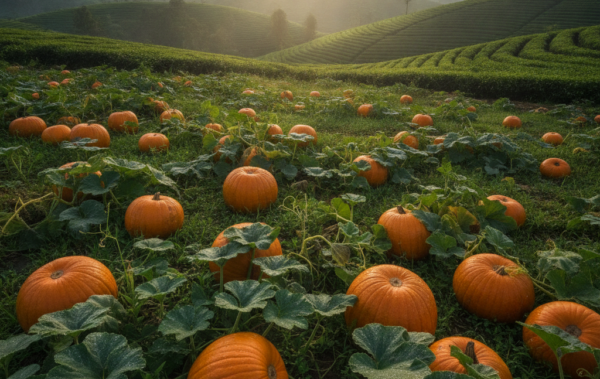
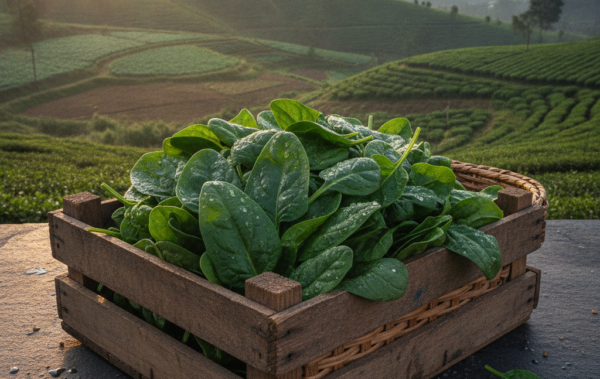
- Vegetables: Pumpkin (Wattakka), Ash Plantain, and various types of Spinach (Thampala). This is also a fantastic time for Nuwara Eliya strawberries, which benefit from the bright afternoon sun.
- Fruits: This is the absolute peak for Rambutan, Mangosteen, and Durian. These fruits are highly seasonal and are best enjoyed during these three months for maximum flavor.
October – December: The Return of the Rains
As the North-East monsoon begins, the landscape turns lush and green. Farmers begin preparing the ground for the next Maha cycle, but there is still plenty to harvest.
- Vegetables: Winged Beans (Dambala), Bitter Gourd (Karavila), and various tubers like Sweet Potato and Manioc. The cooler weather in Nuwara Eliya during these months produces exceptionally tender Cauliflower and Broccoli.
- Fruits: Citrus fruits like Narang and Oranges become more prominent. It is also a good time for Pineapple and Passion Fruit.
Why Buying Seasonal and Organic Matters
Choosing produce based on the calendar isn’t just about tradition; it’s backed by science. Statistics from agricultural research suggest that produce harvested at its natural peak contains up to 50% more vitamins and minerals compared to crops forced out of season. Furthermore, eating seasonally supports the local economy. When you buy what is currently growing in abundance, you support Sri Lankan farmers during their primary harvest windows, helping to sustain rural communities.
Organic farming practices, specifically those employed by our partner farmers in Nuwara Eliya, ensure that the soil remains fertile for future generations. By avoiding harsh chemical pesticides, these farmers produce vegetables that are safer for your family and better for the delicate highland ecosystem.
How to Make the Most of Your Fresh Produce
Buying fresh is only half the battle; storage is key. To keep your Nuwara Eliya veggies crisp, store leeks and carrots in the vegetable crisper drawer of your refrigerator, ideally wrapped in a damp cloth. For tropical fruits like mangoes or avocados, keep them at room temperature until they reach your desired ripeness before chilling.
Remember, because organic produce doesn’t contain wax coatings or synthetic preservatives, it is meant to be enjoyed fresh. This is why a direct-to-door delivery service is so beneficial—it minimizes the time between the farm and your table.
Conclusion: Bring the Farm to Your Table
Understanding the seasonal calendar allows you to cook with intention and eat with the rhythm of the island. Whether it’s the crunch of a Nuwara Eliya carrot in January or the syrupy sweetness of a mango in May, every month offers a new way to nourish your body.
At NunuFresh, we are committed to bridging the gap between the hardworking farmers of Nuwara Eliya and your family’s dinner table. We source only the freshest, organic produce, ensuring that you receive the best of what each season has to offer without the hassle of the traditional marketplace.
Ready to experience the difference of farm-fresh, seasonal organic produce? Explore our latest harvest at NunuFresh and have the best of Nuwara Eliya delivered straight to your home today.