No products in the cart.
Traditional Sri Lankan Farming Methods Making a Comeback
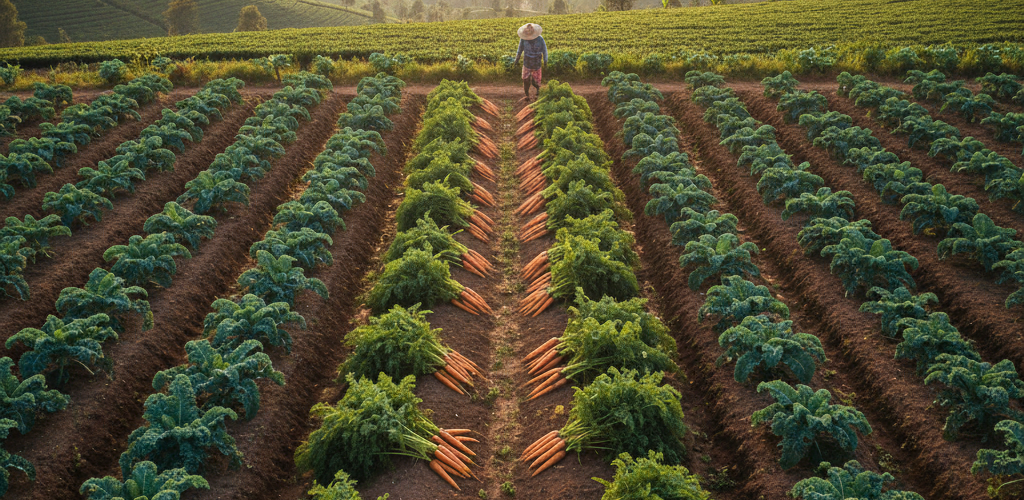
In the lush, mist-covered highlands of Nuwara Eliya and across the sun-drenched plains of the dry zone, a quiet revolution is taking place. For decades, the buzz of industrial agriculture dominated the landscape, bringing with it chemical fertilizers and synthetic pesticides. However, today, Sri Lankan farmers are looking backward to move forward. The ancient agricultural wisdom that once made our island the ‘Granary of the East’ is making a powerful comeback, driven by a growing demand for health, sustainability, and food security.
The Resurgence of Ancient Agricultural Wisdom
Sri Lanka’s agricultural heritage spans over 2,500 years. Our ancestors didn’t just grow food; they engineered complex ecosystems that worked in harmony with nature. As modern health consciousness rises, Sri Lankan families are increasingly seeking produce grown without the shadow of heavy chemicals. This shift has led to the revival of traditional methods that prioritize soil health, biodiversity, and the lunar cycle.
At NunuFresh, we have observed a significant shift in the preferences of our customers. People are no longer just asking for ‘vegetables’; they are asking how those vegetables were grown and where they came from. This curiosity is fueling a return to the roots of Sri Lankan farming, particularly in the fertile soils of Nuwara Eliya.
The ‘Ellangawa’ or Cascade Tank-Village System
One of the most remarkable traditional methods returning to the spotlight is the Ellangawa system. Recognized by the FAO as a Globally Important Agricultural Heritage System, this network of man-made tanks (wewa) and canals is a masterpiece of hydraulic engineering. While it was largely neglected during the era of large-scale irrigation projects, farmers are rediscovering its efficiency.
The system works by capturing rainwater in a series of interconnected tanks, allowing for multiple uses of the same water while maintaining the groundwater table. Modern farmers are finding that this ancient system is far more resilient to the erratic weather patterns caused by climate change than modern concrete-heavy irrigation. By restoring these tanks, farming communities are ensuring a year-round supply of water for organic produce, even during dry spells.
Kem Methods: The Art of Natural Pest Control
Perhaps the most fascinating aspect of traditional Sri Lankan farming is the use of Kem methods. These are a set of traditional practices, often involving natural repellents and specific timing, used to protect crops without the need for toxic sprays. While some might view these practices as folkloric, many have a deep-rooted scientific basis in ecology.
- Botanical Extracts: Using leaves from the Neem tree (Kohomba), Ginger, and Garlic to create natural sprays that deter pests without killing beneficial insects.
- Light Traps: Traditional farmers used oil lamps placed in the middle of fields to attract and trap nocturnal pests, a method that is much safer for the environment than broad-spectrum insecticides.
- Sound and Vibrations: The use of Pambaya (scarecrows) and wooden clappers to deter birds and wild animals, preserving the crop while maintaining the local fauna.
By re-adopting these ‘Kem’ practices, farmers in regions like Nuwara Eliya are able to produce the crisp, clean vegetables that NunuFresh delivers to your doorstep, ensuring that the food on your table is as nature intended.
The Return of Heirloom Seeds and Traditional Rice
For years, high-yield hybrid seeds dominated the market. However, these seeds often require massive amounts of chemical input to thrive. Today, there is a massive movement to bring back ‘Heirloom’ or traditional seeds. In the paddy fields, varieties like Suwandel, Kurulutuda, and Pachchaperumal are seeing a massive resurgence.
These traditional grains are not only more resistant to local pests and droughts but are also packed with nutritional benefits. Suwandel is known for its exquisite aroma and skin-promoting properties, while Kurulutuda is rich in protein and fiber. This trend isn’t limited to rice; traditional varieties of brinjals, pumpkins, and leafy greens (Mallum) are being cultivated once again, offering flavors that many Sri Lankans haven’t tasted since their childhood.
Soil Health: Beyond NPK Fertilizers
Modern agriculture focused heavily on NPK (Nitrogen, Phosphorus, and Potassium) fertilizers, which eventually depleted the soil’s natural microbial life. Traditional Sri Lankan farming, however, views the soil as a living organism. The comeback of Jeevamrutha—a fermented liquid organic preparation—is a testament to this.
Made from a mixture of cow dung, cow urine, jaggery, and pulse flour, Jeevamrutha acts as a powerful catalyst for microbial activity in the soil. Farmers are also returning to the use of ‘Green Manure,’ where specific nitrogen-fixing plants are grown and then plowed back into the earth. This practice restores the soil’s vitality naturally, leading to produce that is more nutrient-dense and flavorful.
The Nuwara Eliya Connection
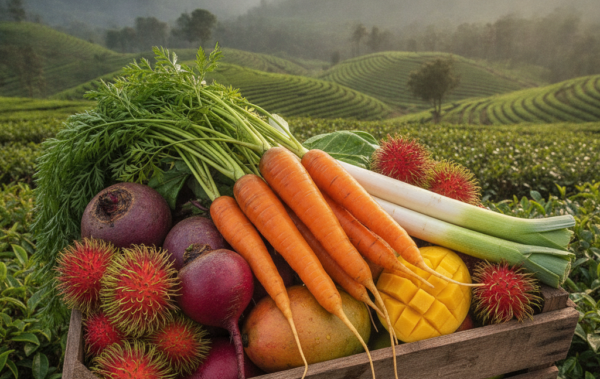
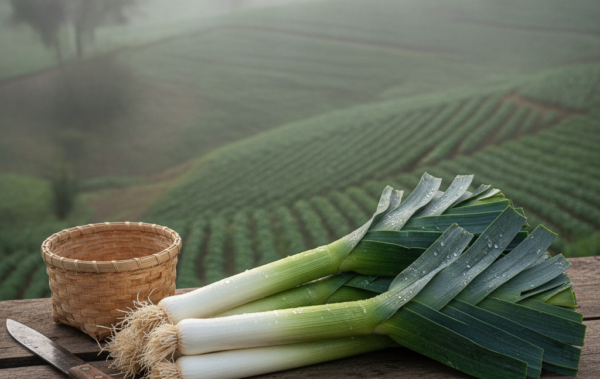
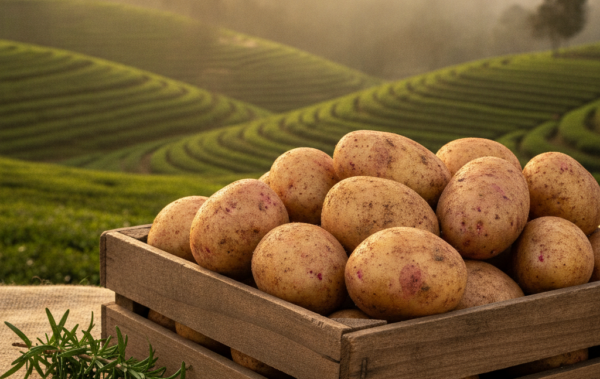
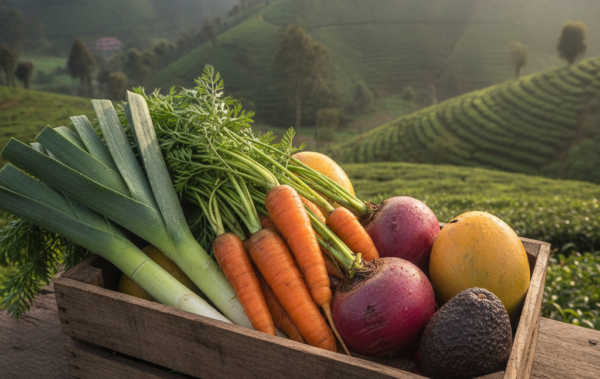
Nuwara Eliya, often called ‘Little England,’ has long been the vegetable basket of Sri Lanka. While it was once the epicenter of intensive chemical farming, a new generation of farmers in the hills is leading the organic charge. They are combining the cool climate’s natural advantages with ancient soil management techniques. The result? Carrots that are sweeter, leeks that are more robust, and potatoes that have the earthy richness of the highland soil.
Why This Comeback Matters for Your Family
You might wonder, why should the average urban family care about these ancient farming methods? The answer lies in the quality of the food you consume. Produce grown through traditional, organic methods contains higher levels of antioxidants, vitamins, and minerals. Furthermore, because these methods avoid synthetic toxins, you are protecting your family from the long-term health risks associated with pesticide residues.
Moreover, supporting these traditional methods is an act of environmental patriotism. It helps preserve Sri Lanka’s unique biodiversity and protects our water sources from chemical runoff. When you choose organic produce, you are voting for a greener, healthier Sri Lanka.
Conclusion: Embracing the Future by Honoring the Past
The revival of traditional Sri Lankan farming methods is more than just a trend; it is a necessity for a sustainable future. By blending the wisdom of our ancestors with modern logistical efficiency, we can ensure that every Sri Lankan household has access to food that is safe, nutritious, and ethically grown.
At NunuFresh, we are proud to be a bridge between these dedicated traditional farmers and your kitchen. We source directly from the heart of Nuwara Eliya, ensuring that the hard work of farmers practicing sustainable agriculture reaches you at its peak freshness.
Ready to taste the difference of traditional farming?
Explore our curated selection of fresh, organic vegetables and produce harvested straight from the farms of Nuwara Eliya. Experience the true flavor of Sri Lanka, delivered directly to your home. Shop NunuFresh today and join us in supporting a healthier, more sustainable Sri Lanka.