No products in the cart.
Pesticide-Free Farming in Sri Lanka: A Complete Guide
Understanding the Shift Toward Pesticide-Free Farming in Sri Lanka
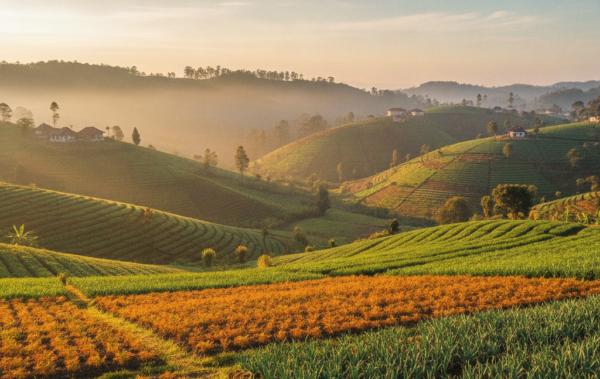
For generations, the lush hillsides of Nuwara Eliya and the fertile plains of the dry zone have been the lifeblood of Sri Lanka’s food supply. However, the ‘Green Revolution’ of the mid-20th century introduced a heavy reliance on synthetic fertilizers and chemical pesticides. While these methods initially boosted yields, they came at a significant cost to our health and our soil. Today, a growing movement of conscious consumers and dedicated farmers is turning the tide back toward pesticide-free farming.
As a Sri Lankan consumer, you might be hearing more about ‘organic,’ ‘pesticide-free,’ and ‘natural’ produce. But what do these terms actually mean for your family’s dinner table? In this guide, we will explore the reality of pesticide-free farming in Sri Lanka, the health implications of chemical residues, and how you can make safer choices for your loved ones.
The Health Impact: Why Pesticide-Free Matters
In Sri Lanka, the conversation around agricultural chemicals is more than just a lifestyle choice—it is a public health necessity. Research has frequently linked the excessive use of agrochemicals to Chronic Kidney Disease of unknown etiology (CKDu), which has affected thousands of farming families in the North Central Province. While the link is complex, the consensus among many local health experts is that reducing chemical exposure is vital.
The Danger of Pesticide Residues
When vegetables are sprayed with systemic pesticides, the chemicals don’t just sit on the surface; they are absorbed into the plant’s tissues. This means that even after vigorous washing, trace amounts of these toxins can remain. Long-term consumption of these residues has been associated with endocrine disruption, respiratory issues, and various forms of toxicity in children. By choosing pesticide-free produce, you are directly reducing the toxic load on your body.
Nutritional Superiority
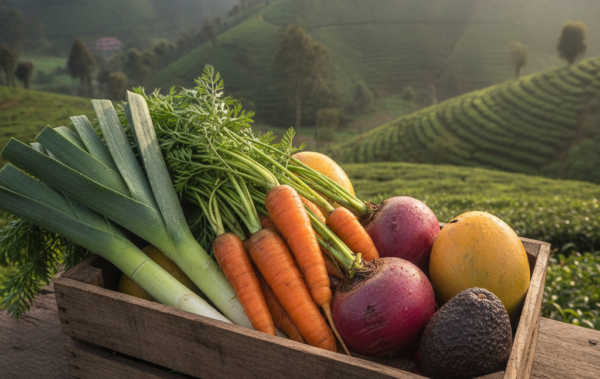
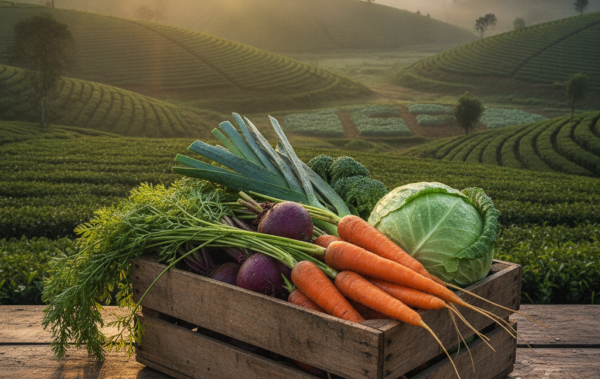
Studies suggest that produce grown in healthy, pesticide-free soil often contains higher levels of antioxidants and essential minerals. Because these plants have to develop their own natural defenses against pests (rather than relying on chemical sprays), they produce more phytonutrients, which are beneficial for human health. When you bite into a carrot from a sustainable farm in Nuwara Eliya, you aren’t just eating a vegetable; you’re consuming the rich nutrients of healthy soil.
Pesticide-Free vs. Certified Organic: What’s the Difference?
It is important to understand the terminology used in Sri Lankan markets. While often used interchangeably, there are subtle differences:
- Certified Organic: This produce is grown according to strict international or local standards (such as SLS 1324) and is verified by a third-party body. It prohibits synthetic pesticides and fertilizers entirely.
- Pesticide-Free: This generally means that no synthetic pesticides were used during the growing process. However, the farmer may still use some synthetic fertilizers, or they may simply not have the formal (and often expensive) organic certification yet.
- Natural/Good Agricultural Practices (GAP): SL-GAP is a local certification that ensures pesticides are used responsibly and within safe limits, though it does not necessarily mean the produce is 100% chemical-free.
At NunuFresh, we prioritize sourcing from farmers who embrace traditional, chemical-free methods, ensuring that the produce reaching your doorstep is as close to nature as possible.
The Nuwara Eliya Transformation
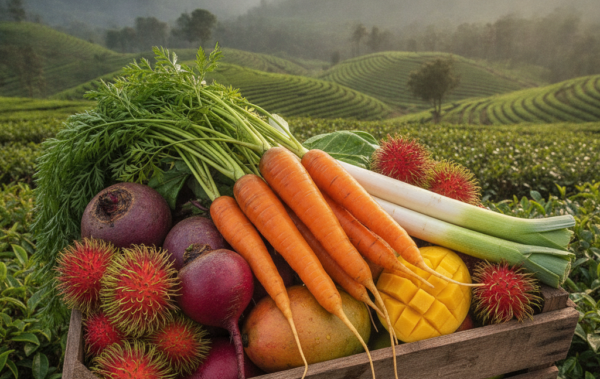
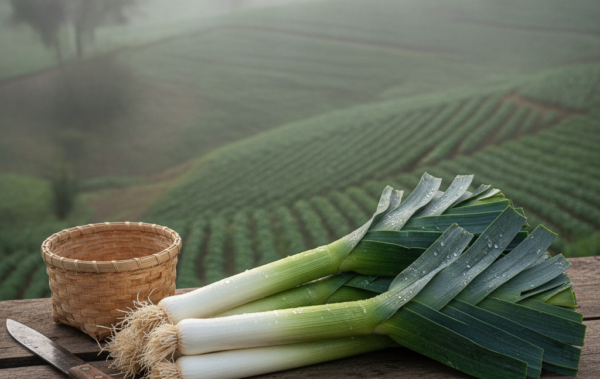
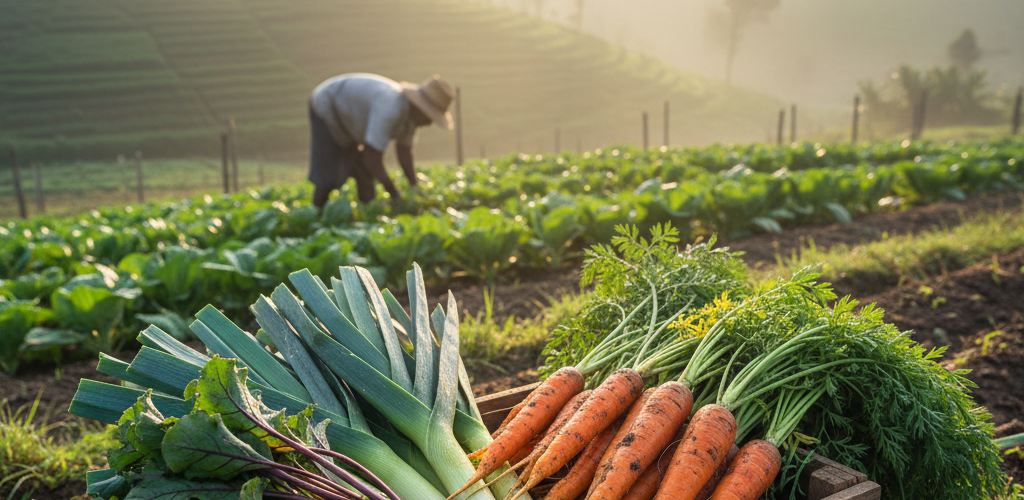
Nuwara Eliya, often called ‘Little England,’ is famous for its temperate climate, perfect for growing ‘Up-Country’ vegetables like leeks, cabbage, carrots, and strawberries. Historically, this region faced challenges with over-spraying due to the damp climate which encourages fungal growth. However, a new generation of farmers in the central highlands is leading the way in sustainable agriculture.
Innovative Farming Techniques
Farmers are now adopting integrated pest management (IPM) strategies. Instead of reaching for a chemical bottle, they use:
- Companion Planting: Growing specific flowers or herbs alongside vegetables to naturally repel pests.
- Organic Foliar Sprays: Using mixtures of neem oil, garlic, and chili to protect crops.
- Composting: Utilizing organic waste to build soil health, making plants naturally more resilient to disease.
These methods require more labor and expertise than chemical farming, which is why pesticide-free produce often carries a slightly higher price tag. However, the investment in long-term health and environmental sustainability is invaluable.
How to Identify Safe Produce in Sri Lanka
Shopping for healthy food in a crowded market can be overwhelming. Here are some tips for Sri Lankan families to ensure they are getting the best quality:
1. Know Your Source
The best way to ensure your food is safe is to know where it comes from. Transparency is key. Platforms like NunuFresh bridge the gap between the farm and the consumer, providing a direct link to farmers who prioritize safety and quality.
2. Look Beyond Perfection
In the supermarket, we are often drawn to perfectly shaped, shiny vegetables. However, in nature, perfection is rare. A small hole in a leaf or a slightly irregular shape can actually be a sign that the plant wasn’t doused in heavy chemicals. Pesticide-free vegetables might look ‘homely,’ but they taste much more vibrant.
3. Seasonal Eating
When you eat what is in season, the plants are naturally more robust and require less intervention to grow. In Sri Lanka, following the Yala and Maha seasons helps you consume produce when it is at its peak nutritional value and least likely to have been forced with chemicals.
The Environmental Ripple Effect
Choosing pesticide-free isn’t just a win for your health; it’s a win for Sri Lanka’s beautiful environment. Chemical runoff from farms often ends up in our waterways, harming fish populations and contaminating the water table. By supporting chemical-free farms, you are helping to preserve the biodiversity of our island, protecting bees (our vital pollinators), and keeping our soil fertile for future generations.
Conclusion: Making the Switch for Your Family
Transitioning to a pesticide-free diet doesn’t have to happen overnight. Start by swapping out the ‘Dirty Dozen’—the vegetables most likely to have high residue levels—for organic or pesticide-free alternatives. As you taste the difference in freshness and flavor, you’ll find it easier to make the permanent switch.
As Sri Lankans, we have a deep connection to our land. By choosing produce grown with respect for the earth, we are honoring that connection and ensuring a healthier future for our children. It is about returning to a way of life where food is medicine, not a cause for concern.
Ready to bring the freshest, safest produce from the heart of Nuwara Eliya to your kitchen? Explore our wide selection of pesticide-free and organic vegetables at NunuFresh today and experience the true taste of Sri Lankan nature delivered directly to your door.