No products in the cart.
Farm-to-Table Sri Lanka: Connecting Farmers and Consumers
The Evolution of Freshness: Understanding Farm-to-Table in Sri Lanka
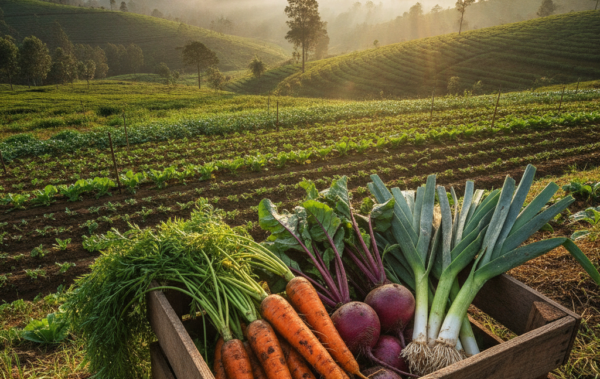
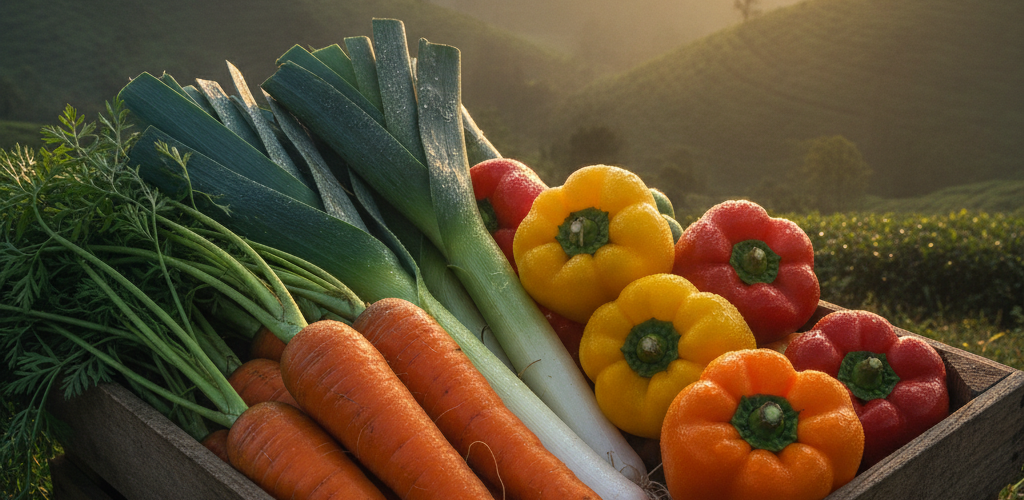
In the bustling heart of Colombo and the growing suburbs across the island, a quiet revolution is taking place in our kitchens. Sri Lankan families are increasingly asking a vital question: “Where does my food actually come from?” This curiosity is the driving force behind the Farm-to-Table movement, a global trend that has found a deeply meaningful home in Sri Lanka. Traditionally, the journey of a carrot or a leek from the misty hills of Nuwara Eliya to a dinner table in Dehiwala was long, complicated, and often detrimental to the quality of the produce.
The farm-to-table movement aims to shorten that journey. By eliminating unnecessary middlemen and streamlining logistics, this model ensures that produce spends less time in trucks and warehouses and more time growing in the soil. For a country with a rich agricultural heritage like ours, this isn’t just a modern trend—it is a return to our roots, where food was fresh, seasonal, and grown with care.
The Traditional Supply Chain Challenge
To appreciate the farm-to-table model, we must first look at the traditional system. For decades, Sri Lankan agriculture has relied on a multi-tiered supply chain. A typical vegetable would travel from a small-scale farmer to a regional collector, then to a dedicated economic center (like Dambulla or Keppetipola), then to a wholesale market like the Manning Market, and finally to a local retailer or supermarket.
Statistics from the Department of Agriculture and various local research studies have historically pointed to a staggering reality: post-harvest losses in Sri Lanka can range from 30% to 40%. This means nearly nearly half of the hard work done by our farmers is wasted due to poor handling, excessive transport time, and multiple loading/unloading cycles. This wastage doesn’t just hurt the environment; it drives up prices for consumers and lowers the income for the farmers who do the actual work.
Why Nuwara Eliya is the Heart of the Movement
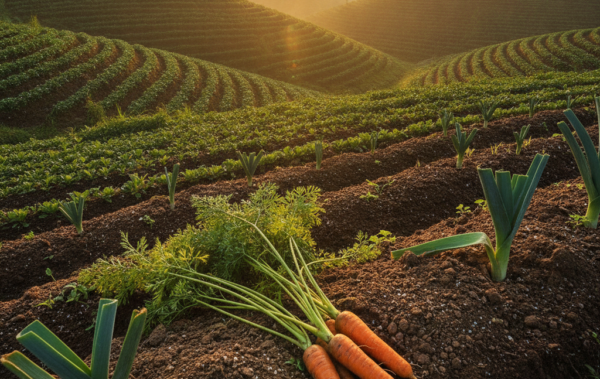
Nuwara Eliya, often called ‘Little England,’ is the crown jewel of Sri Lankan vegetable cultivation. Its unique temperate climate, high altitude, and fertile soil make it the only place on the island where ‘Up-Country’ vegetables like strawberries, bell peppers, carrots, and exotic greens thrive. However, because of its distance from the coastal cities, the produce from this region has traditionally been the most vulnerable to supply chain delays.
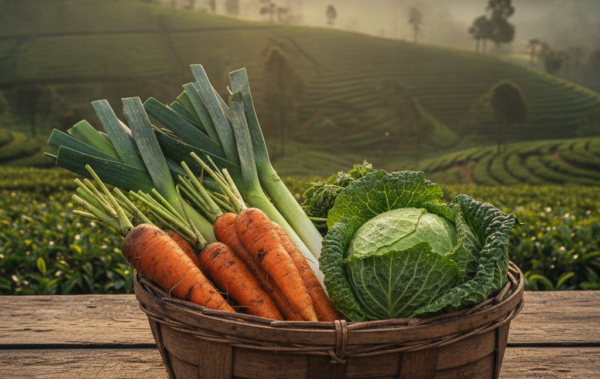
By adopting a farm-to-table approach, providers like NunuFresh are able to source directly from these high-altitude farms. This ensures that the crispness of a Nuwara Eliya lettuce or the sweetness of a freshly harvested carrot is preserved, bringing the essence of the cool hills directly to the tropical heat of the lowlands within hours, not days.
The Benefits of Going Direct: For You and Your Family
Why should the average Sri Lankan household care about the farm-to-table movement? The benefits extend far beyond just ‘better tasting’ food.
- Maximum Nutritional Value: Vitamins, especially Vitamin C and various B vitamins, begin to degrade as soon as a vegetable is harvested. The faster the produce reaches your kitchen, the more nutrients your family consumes.
- Food Safety and Transparency: When you buy through a direct farm-to-table channel, there is a clear trail of accountability. You know which farm the produce came from and what farming practices were used.
- Support for Organic Practices: Many farm-to-table initiatives prioritize organic or Good Agricultural Practices (GAP). Because farmers get a better price when selling direct, they are more willing to invest in time-consuming organic methods that preserve soil health and eliminate toxic pesticides.
- Reduced Carbon Footprint: Fewer stops and more efficient transport mean less fuel consumption. In a world facing a climate crisis, shortening the ‘food miles’ is a responsible choice for every Sri Lankan citizen.
Empowering the Sri Lankan Farmer
The soul of the farm-to-table movement is the farmer. In the traditional system, farmers are often ‘price-takers,’ meaning they have little control over the price they receive for their crops. They are at the mercy of market fluctuations and the whims of middlemen.
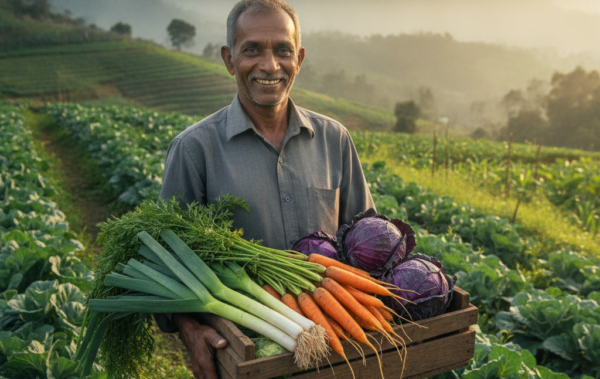
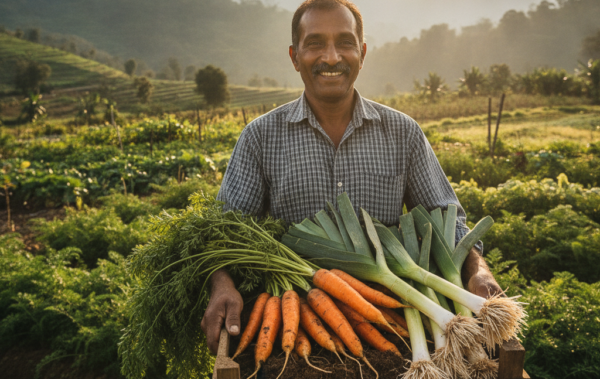
Direct-to-consumer models change this dynamic. By connecting directly with marketplaces like NunuFresh, farmers receive a fairer, more stable share of the final retail price. This financial stability allows farming families to stay on their land, educate their children, and continue the legacy of Sri Lankan agriculture. It turns farming from a struggle for survival into a dignified, sustainable profession.
The Organic Shift in Sri Lanka
Sri Lanka has a complex history with organic farming, but the underlying desire of the population is clear: we want food that is free from harmful chemicals. The farm-to-table movement is the strongest vehicle for the growth of organic produce. When consumers are willing to pay for quality, and that money goes directly to the farmer, the farmer is incentivized to move away from heavy chemical use. This creates a virtuous cycle of health for the soil, the farmer, and the end-user.
The Role of Technology in Modern Agriculture
How does a farmer in a remote corner of Nuwara Eliya connect with a mother in Rajagiriya? The answer lies in technology. Online marketplaces have become the digital bridge that makes the farm-to-table movement possible at scale. Through user-friendly websites and efficient delivery networks, the logistical nightmare of the past is being replaced by streamlined systems that prioritize speed and freshness.
This digital transformation allows for ‘just-in-time’ harvesting. Instead of harvesting a massive amount of produce and hoping it sells at a wholesale market, farmers can harvest based on actual orders. This significantly reduces waste and ensures that every item in your grocery bag was in the ground just a short time ago.
Challenges and the Road Ahead
Transitioning an entire nation to a farm-to-table model isn’t without challenges. Sri Lanka’s weather can be unpredictable, and maintaining a ‘cold chain’ (refrigerated transport) is expensive. Furthermore, educating consumers on why a farm-fresh carrot might look different (less ‘perfect’ but more natural) than a chemically-treated one takes time.
However, the momentum is unstoppable. As more Sri Lankans prioritize health and sustainability, the demand for direct-from-farm produce continues to grow. We are seeing a shift in the culinary landscape, where top chefs and home cooks alike are celebrating seasonal Sri Lankan ingredients.
Conclusion: Bringing the Farm to Your Kitchen
The Farm-to-Table movement is more than just a way to buy groceries; it is a way to support our land, our farmers, and our health. Every time you choose produce that has been sourced directly, you are voting for a more sustainable and equitable Sri Lanka. You are ensuring that the traditions of Nuwara Eliya farming continue to thrive and that your family receives the very best that our fertile island has to offer.
At NunuFresh, we are proud to be a part of this journey. We work tirelessly to bridge the gap between the beautiful farms of Nuwara Eliya and your doorstep, ensuring that ‘fresh’ isn’t just a label, but a promise kept.
Ready to taste the difference of true farm-to-table produce? Explore our selection of hand-picked, organic, and farm-fresh vegetables today and bring the goodness of Nuwara Eliya into your home.
Shop Fresh from NunuFresh
These products mentioned in this article are available for delivery: