No products in the cart.
Why Choose Organic Vegetables: Benefits for Health and Environment
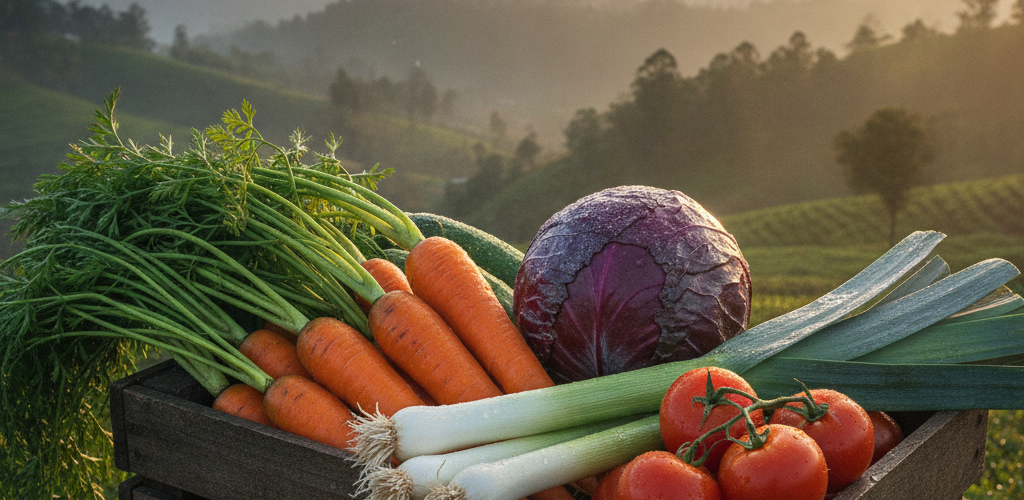
The Growing Shift Toward Organic Living in Sri Lanka
In recent years, a quiet revolution has been taking place across Sri Lankan kitchens. From the bustling streets of Colombo to the serene suburbs of Kandy, families are becoming increasingly conscious of what goes onto their plates. The term “organic” is no longer just a buzzword found in high-end supermarkets; it has become a priority for those seeking a healthier lifestyle and a cleaner planet. But what exactly makes organic vegetables worth the switch, especially in the context of our beautiful island nation?
Choosing organic is about more than just avoiding chemicals; it is about embracing a holistic approach to nutrition and agriculture. When you choose organic produce, you are supporting a system that respects the natural rhythm of the earth, particularly in fertile regions like Nuwara Eliya, where the cool climate and rich soil provide the perfect canvas for high-quality farming. In this guide, we will explore the profound benefits of organic vegetables for your health and the environment, and why sourcing them directly from local farms through platforms like NunuFresh is a game-changer for Sri Lankan households.
The Health Benefits of Choosing Organic Vegetables
The most immediate reason many Sri Lankan families switch to organic produce is health. Our bodies are designed to process natural nutrients, and the introduction of synthetic additives can disrupt our internal balance. Here is how organic vegetables make a difference:
1. Reduced Exposure to Harmful Pesticides
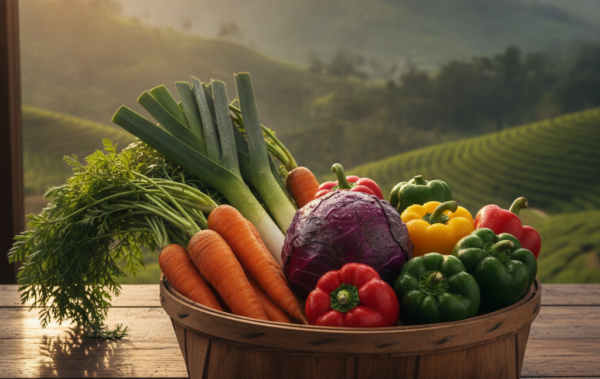
Conventional farming often relies heavily on synthetic pesticides, herbicides, and fungicides to protect crops from pests and diseases. While these chemicals are effective for mass production, residues often remain on the vegetables even after washing. Long-term exposure to these residues has been linked to various health issues, including hormonal imbalances and respiratory problems. Organic farming, by contrast, uses natural pest control methods, ensuring that the carrots, leeks, and cabbages you consume are as pure as nature intended.
2. Higher Nutrient Density
Studies, including research published in the British Journal of Nutrition, have suggested that organic crops contain significantly higher concentrations of antioxidants compared to conventionally grown ones. Because organic plants are not protected by synthetic chemical sprays, they produce more of their own protective compounds—antioxidants—to defend against pests. For a Sri Lankan family, this means that a bowl of organic salad from the hills of Nuwara Eliya isn’t just a meal; it’s a more potent source of vitamins and minerals.
3. Better Heart Health and No GMOs
Organic farming strictly prohibits the use of Genetically Modified Organisms (GMOs). By choosing organic, you are ensuring that your food has not been altered in a laboratory. Furthermore, organic produce is often fresher because it doesn’t contain the preservatives used to extend the shelf life of conventional vegetables. Freshness is key to maintaining the integrity of heart-healthy nutrients like Vitamin C and fiber.
4. Improved Taste and Flavor
Anyone who has tasted a fresh, organic tomato or a crisp stalk of organic celery can attest to the difference in flavor. Organic vegetables are grown in well-balanced, mineral-rich soil, which allows the plant to develop its natural sugars and aromatic compounds. This results in a deeper, more robust flavor that makes home-cooked Sri Lankan curries truly stand out.
Environmental Benefits: Protecting Our Island Home
Sri Lanka’s biodiversity is one of its greatest treasures. However, intensive conventional farming can take a toll on our ecosystems. Organic farming offers a sustainable path forward.
1. Preserving Soil Health in Nuwara Eliya and Beyond
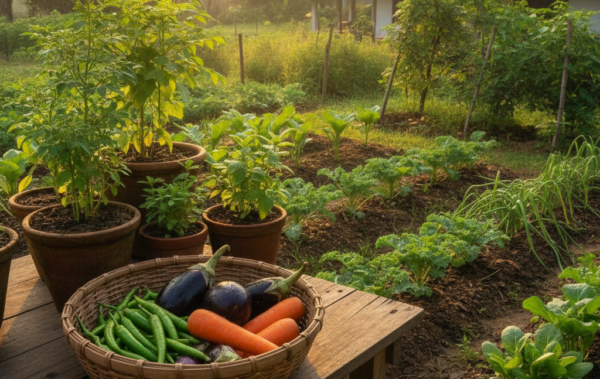
The high-altitude farms of Nuwara Eliya are legendary for their productivity. However, the heavy use of chemical fertilizers in conventional farming can lead to soil degradation and erosion over time. Organic farming practices, such as crop rotation and the use of natural compost, help build healthy soil structure. Healthy soil acts like a sponge, retaining water and nutrients more effectively, which is crucial for long-term food security in Sri Lanka.
2. Protecting Water Resources
When synthetic fertilizers and pesticides are used on farms, they don’t just stay on the plants. Rainwater can wash these chemicals into nearby streams and groundwater supplies. This “runoff” can pollute local water sources, affecting both wildlife and human communities. Organic farming eliminates these toxic runoffs, ensuring that the pristine water systems of our hill country remain clean and safe.
3. Supporting Biodiversity
Organic farms are vibrant ecosystems. By avoiding toxic chemicals, organic farmers encourage the presence of beneficial insects, birds, and soil microbes. This biodiversity creates a natural balance where pests are kept in check by their natural predators. Supporting organic agriculture means supporting a Sri Lanka where bees can pollinate freely and our unique flora and fauna can thrive alongside our food sources.
4. Reducing Carbon Footprint
Organic farming typically requires less energy than conventional farming, which relies on the energy-intensive production of synthetic fertilizers. Additionally, when you source your organic vegetables from local providers like NunuFresh, you are reducing “food miles”—the distance food travels from farm to plate. This reduction in transport significantly lowers the overall carbon footprint of your grocery basket.
The Nuwara Eliya Connection: Why Local Organic Matters
In Sri Lanka, Nuwara Eliya is often referred to as the “Little England” of agriculture. Its unique microclimate allows for the cultivation of “Up-Country” vegetables that struggle to grow elsewhere on the island. When you choose organic produce from this region, you are tapping into a heritage of farming excellence.
By choosing locally grown organic produce, you are also supporting the livelihoods of Sri Lankan farmers who are committed to sustainable practices. These farmers often face higher labor costs and more risks than conventional farmers, but their dedication ensures that we have access to high-quality, chemical-free food. Supporting them is an investment in the future of Sri Lankan agriculture.
How to Transition to an Organic Lifestyle
Making the switch to organic doesn’t have to happen overnight. Here are a few tips for Sri Lankan families:
- Start with the “Dirty Dozen”: Focus on buying organic versions of vegetables that typically have the highest pesticide residues, such as leafy greens, bell peppers, and tomatoes.
- Eat Seasonally: Organic produce is best enjoyed when it is in season. Not only is it more affordable, but it is also at its peak nutritional value.
- Know Your Source: Trust is vital. Look for suppliers who have direct relationships with farmers. Platforms like NunuFresh bridge the gap between the mist-covered farms of Nuwara Eliya and your doorstep, ensuring transparency and freshness.
- Store Correctly: Since organic vegetables don’t contain artificial preservatives, they may have a shorter shelf life. Store them in the crisper drawer of your refrigerator and try to use them within a few days of delivery.
Conclusion: A Healthier You, A Greener Sri Lanka
Choosing organic vegetables is a powerful choice that resonates far beyond the dinner table. It is a commitment to your family’s long-term health, a vote for the protection of Sri Lanka’s natural beauty, and a hand of support to our hardworking local farmers. While conventional produce might seem cheaper in the short term, the long-term benefits of organic—lower medical costs, better vitality, and a sustainable environment—are priceless.
As we navigate the challenges of the modern world, returning to the basics of clean, natural food is one of the best things we can do for ourselves. By opting for fresh, organic produce delivered straight from the heart of Nuwara Eliya, you are ensuring that your meals are packed with the goodness that only nature can provide.
Ready to experience the difference? Explore the wide variety of farm-fresh, organic vegetables available at NunuFresh. From our farms in Nuwara Eliya to your home, we bring you the very best of Sri Lankan nature, delivered with care.