No products in the cart.
How to Choose the Freshest Onion: A Guide for Sri Lankan Homes
The Essential Ingredient in Every Sri Lankan Kitchen
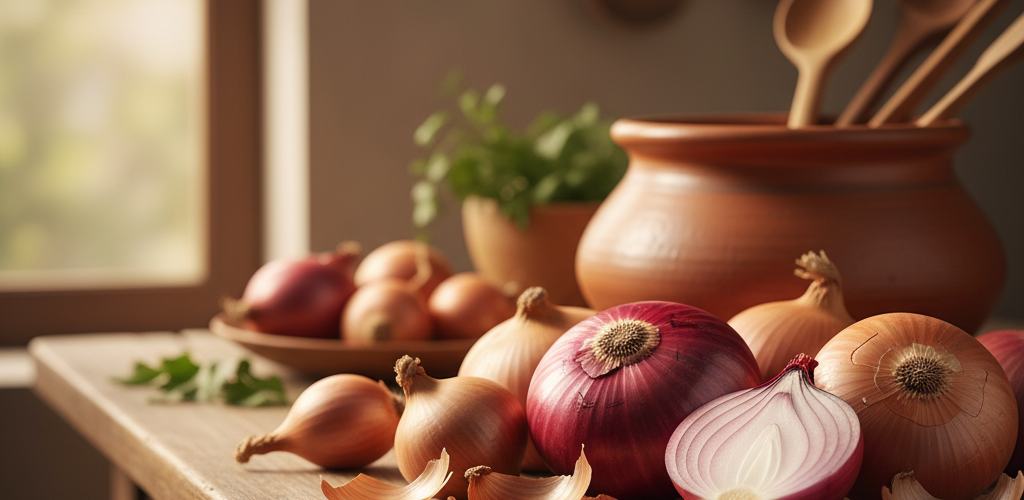
In the heart of every Sri Lankan kitchen, there is one ingredient that acts as the foundation for almost every culinary masterpiece: the onion. Whether it is the sharp bite of Rathu Lunu (red onions) in a fresh Pol Sambol or the savory depth that B-Lunu (big onions) provide to a rich chicken curry, onions are indispensable. However, any home cook knows that the quality of your dish is only as good as the freshness of your ingredients.
Choosing the perfect onion might seem like a simple task, but in the humid climate of Sri Lanka, where produce can spoil quickly if not handled correctly, it requires a keen eye and a bit of know-how. From the bustling markets of Colombo to the roadside stalls in the hills, knowing how to identify a high-quality onion can save you money and elevate your cooking. In this guide, we will explore the sensory secrets to picking the freshest onions and why sourcing them from the right places, such as the organic farms of Nuwara Eliya, makes all the difference.
Understanding Sri Lankan Onion Varieties
Before we dive into the selection process, it is important to understand the varieties we commonly use in Sri Lanka. Each has its own characteristics and signs of freshness.
1. Red Onions (Rathu Lunu)
Small, pungent, and packed with antioxidants, red onions are a staple. In Sri Lanka, these are often grown in the northern regions like Jaffna, but high-quality organic varieties are also cultivated in the fertile soils of the central highlands. A fresh red onion should be hard to the touch and have a vibrant, deep purple-red skin.
2. Big Onions (B-Lunu)
These are the workhorses of the kitchen. Used for tempering, frying, and bulking up gravies, big onions have a milder flavor than their smaller counterparts. Because they contain more water, they are more susceptible to rotting if not stored or selected properly.
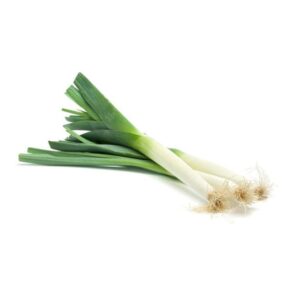
3. Spring Onions and Leeks
While technically different, these are often grouped in the onion family in our markets. These are best when they come from the cool climates of Nuwara Eliya, where the crisp air keeps them tender and sweet.
The 5-Step Sensory Test for Freshness
When you are standing at the market, don’t just grab the first bag you see. Use these five sensory checks to ensure you are bringing home the best produce.
1. The Firmness Test (Touch)
Pick up the onion and give it a gentle squeeze. A fresh onion should be rock-solid. If you feel any soft spots, particularly near the neck (where the stem was), it is a sign that the onion is beginning to rot from the inside out. Softness is often caused by moisture trapped between the layers, which leads to internal mold.
2. The Skin Integrity (Sight)
The outer skin of an onion, often called the ‘tunic,’ serves as a protective layer. It should be dry, papery, and have a slight shimmer. Avoid onions where the skin is damp, sticky, or missing entirely. While a little bit of peeling is normal, the onion should generally feel ‘crisp’ in its wrapping. If you see black powdery spots under the skin, this is Aspergillus niger, a common mold. While it can often be washed off, it is a sign that the onion has been exposed to too much humidity.
3. The Weight Factor
A fresh onion is a hydrated onion. When you hold two onions of the same size, the heavier one is usually the fresher one. As onions age, they lose moisture and become lighter and hollow-tasting. For the best flavor in your curries, always opt for the onion that feels heavy for its size.
4. The ‘Neck’ Inspection
The neck of the onion is the top part where the green sprouts would emerge. In a well-cured, fresh onion, the neck should be tightly closed and very dry. If the neck is thick, open, or moist, it indicates that the onion was not dried properly after harvest or that it is about to start sprouting.
5. The Scent Check (Smell)
A fresh onion should actually have very little scent at all. It should smell faintly earthy. If you can smell a strong, pungent, or ‘sour’ onion odor without even cutting into it, that onion is likely bruised or rotting internally. A ‘sweet’ fermented smell is also a red flag for spoilage.
Why Sprouting is a Warning Sign
We have all seen it: a green shoot peeking out from the top of an onion. While a sprouted onion isn’t necessarily poisonous, it is no longer ‘fresh.’ Once an onion starts to sprout, it uses the sugars stored in its bulbs to fuel the growth of the new shoot. This results in an onion that is bitter, soft, and lacking the characteristic sweetness required for a good Seeni Sambol. If you find sprouts in the market, it is a sign that the produce has been sitting on the shelf for too long or was stored in a place with too much light and warmth.
The Nuwara Eliya Advantage: Why Origin Matters
In Sri Lanka, the location where your vegetables are grown significantly impacts their shelf life and nutritional value. Produce from Nuwara Eliya is highly prized for a reason. The high altitude and cooler temperatures provide a natural ‘refrigeration’ during the growing process, which can lead to firmer, more resilient vegetables.
When you choose organic produce, like the selections available through NunuFresh, you are also avoiding the chemical growth regulators sometimes used to prevent sprouting in conventional farming. Organic onions are allowed to cure naturally, which strengthens their outer skins and locks in their natural oils. Sourcing directly from farms in Nuwara Eliya ensures that the time between harvest and your kitchen is minimized, keeping the onions at their peak freshness.
How to Store Onions at Home
Once you have selected the perfect onions using our guide, you need to keep them fresh in the tropical Sri Lankan climate. Here are some pro tips:
- Keep them out of the fridge: Whole onions should never be refrigerated. The cold, humid environment converts their starch to sugar, making them soft and soggy.
- Avoid sunlight: Store them in a dark, well-ventilated area. A wicker basket or a mesh bag is ideal.
- Keep away from potatoes: This is a common mistake! Potatoes release moisture and ethylene gas, which causes onions to sprout and spoil much faster.
- Airflow is key: Never store onions in a sealed plastic bag. They need to ‘breathe’ to stay dry.
The Benefits of Choosing Organic
Beyond just the taste, choosing organic onions supports a healthier ecosystem. Conventional onion farming often involves heavy use of pesticides because onions are susceptible to soil-borne pests. By opting for organic produce from trusted marketplaces like NunuFresh, you ensure that your base ingredients are free from harmful residues. This is particularly important for Sri Lankan families who use onions in almost every meal, three times a day.
Organic onions often have a higher concentration of flavonoids and polyphenols. These are the compounds that give onions their medicinal properties, helping to boost immunity and reduce inflammation—benefits that are vital for maintaining health in our busy lives.
Conclusion: Quality You Can Taste
Choosing the freshest onion is an art that combines observation and touch. By looking for firmness, dry skins, and heavy weight, you ensure that your kitchen is always stocked with the best ingredients. Remember that the journey of the onion—from the misty farms of Nuwara Eliya to your doorstep—plays a massive role in its quality.
Next time you are preparing a meal for your loved ones, take a moment to appreciate the humble onion. When you start with fresh, organic produce, you aren’t just making a meal; you are nourishing your family with the best that Sri Lankan soil has to offer.
Ready to experience the difference that farm-fresh quality makes? Explore NunuFresh’s wide selection of organic produce, delivered straight from the cool hills of Nuwara Eliya to your kitchen. Taste the freshness today!
Shop Fresh from NunuFresh
These products mentioned in this article are available for delivery: