No products in the cart.
How to Start a Home Vegetable Garden in Sri Lanka: A Complete Guide
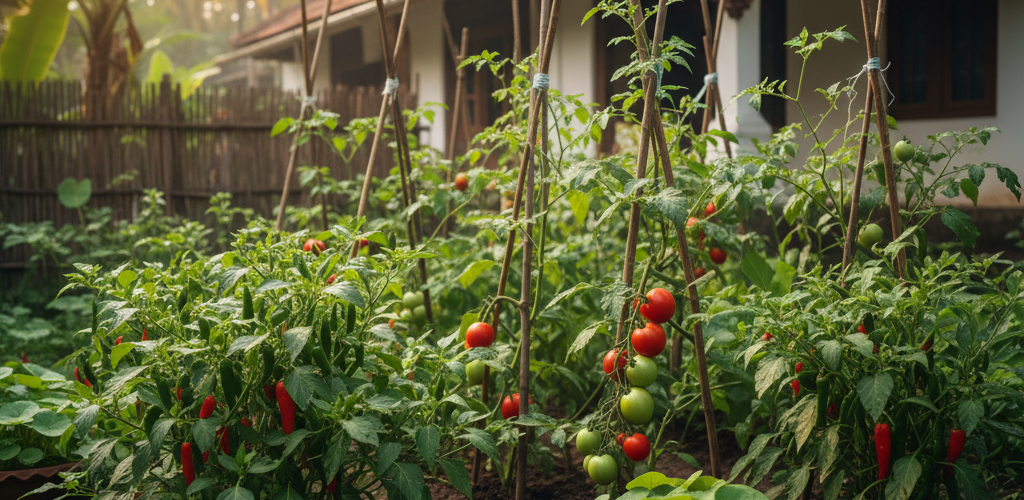
The Joy of Growing Your Own Food in the Resplendent Isle
In recent years, there has been a significant shift in how Sri Lankan households view their food. With rising concerns about chemical pesticides and the desire for fresher, more nutritious produce, the concept of the “home garden” has seen a massive resurgence. Whether you live in a bustling apartment in Colombo or a spacious home in Kandy, starting a home vegetable garden in Sri Lanka is one of the most rewarding journeys you can undertake.
Sri Lanka’s unique geography and tropical climate provide a year-round growing season, making it one of the best places in the world to cultivate a variety of crops. From the leafy greens of the low-country to the temperate vegetables often associated with the misty hills of Nuwara Eliya, your backyard (or balcony) holds the potential to become a mini-farm. In this guide, we will walk you through everything you need to know to start your own organic sanctuary.
Understanding the Sri Lankan Climate and Seasons
Before you dig into the soil, it is crucial to understand the two primary cultivation seasons in Sri Lanka: Maha and Yala. These seasons are dictated by the monsoons and play a vital role in determining what you should plant and when.
- Maha Season (September to March): Driven by the North-East Monsoon, this is the main cultivation season for most of the island. It provides ample rainfall, which is ideal for starting a diverse vegetable garden.
- Yala Season (May to August): Driven by the South-West Monsoon, this season is generally drier in many parts of the country, requiring more diligent irrigation and the selection of drought-resistant crops.
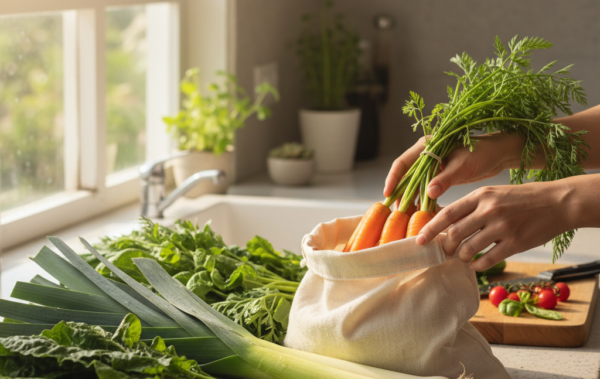
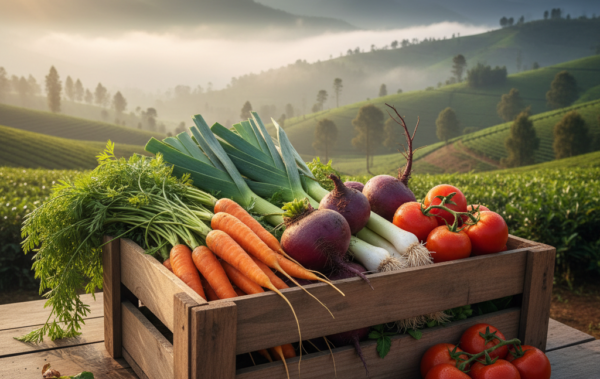
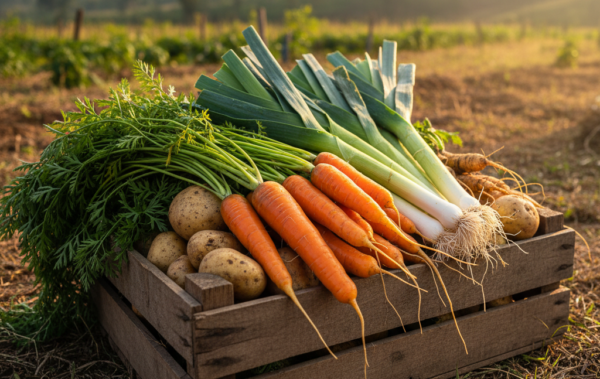
While the low-country experiences high humidity and heat, the up-country regions like Nuwara Eliya enjoy a cooler climate. This distinction is why we see such a variety in Sri Lankan markets. While you might grow chillies and brinjal easily in the heat, those crisp carrots and leeks thrive in the cooler temperatures. If your home garden doesn’t quite support cool-weather crops, you can always rely on NunuFresh to deliver that authentic Nuwara Eliya freshness directly to your doorstep.
Step 1: Choosing the Right Location
The success of your garden depends heavily on where you place it. Most vegetables require at least 6 to 8 hours of direct sunlight daily. In Sri Lanka, the sun can be quite intense, so while sunlight is necessary, some delicate leafy greens may benefit from partial shade during the scorching afternoon hours.
Space Management: Ground vs. Container Gardening
Don’t let a lack of space deter you. If you have a backyard, traditional ground beds are excellent. However, for urban dwellers, container gardening is a fantastic alternative. You can use plastic pots, old buckets, or even cement bags to grow everything from tomatoes to gotukola. Vertical gardening—using walls or trellises—is also a great way to maximize space for climbing plants like snake gourd (pathola) or bitter gourd (karavila).
Step 2: Preparing the Soil (The Organic Way)
Sri Lankan soil varies from the reddish-brown earths of the dry zone to the alluvial soils of the wet zone. Regardless of your soil type, the secret to a thriving organic garden is compost. Organic matter improves soil structure, aeration, and water retention.
Creating Your Own Compost
Instead of relying on chemical fertilizers, start a small compost bin. Use kitchen scraps (vegetable peelings, fruit cores), dry leaves, and grass clippings. Avoid adding meat, dairy, or oily foods. Within a few months, you will have “black gold”—rich, dark compost that will supercharge your vegetable growth without any harmful residues.
Step 3: Selecting Easy-to-Grow Vegetables for Beginners
If you are just starting, it is best to begin with hardy plants that are well-suited to the Sri Lankan environment. Here are some top recommendations:
- Chillies (Nai Miris or Kochchi): These are staples in every Sri Lankan kitchen and grow exceptionally well in pots.
- Leafy Greens (Pala): Varieties like Thampala, Mukunuwenna, and Gotukola are incredibly nutritious and grow very quickly.
- Brinjal (Wambatu): A hardy plant that thrives in the heat and produces fruit over a long period.
- Ladies’ Fingers (Bandakka): Very easy to grow from seed and produces beautiful flowers before the pods appear.
- Tomatoes: While they require a bit more care and support (staking), the taste of a home-grown tomato is incomparable to store-bought ones.
For those who miss the specific varieties of the highlands, such as broccoli, cauliflower, or bell peppers, remember that these require much cooler nights. While you experiment with these in your home garden, NunuFresh remains the best source for these premium, farm-fresh vegetables grown in the ideal conditions of Nuwara Eliya.
Step 4: Planting and Watering
When planting seeds, a general rule of thumb is to plant them at a depth twice their diameter. For seedlings, ensure you don’t bury the stem too deep. In Sri Lanka’s heat, watering is best done early in the morning or late in the evening. This prevents water from evaporating too quickly and reduces the risk of fungal diseases that occur when leaves stay wet overnight.
Step 5: Natural Pest Control
One of the biggest challenges in a tropical climate is the abundance of pests. However, being an organic gardener means avoiding synthetic pesticides. You can create effective, natural deterrents using ingredients found in your kitchen:
- Neem Oil Spray: A traditional Sri Lankan remedy that works wonders against aphids and caterpillars.
- Garlic and Chilli Spray: A pungent mix that keeps most munching insects at bay.
- Companion Planting: Planting marigolds or basil near your vegetables can naturally repel harmful insects while attracting beneficial pollinators.
Step 6: Maintenance and Harvesting
Consistency is key. Spend 15 minutes every day checking your plants for pests, removing weeds, and ensuring the soil is moist. Harvesting your vegetables at the right time is also vital; for instance, okra should be picked while still tender, and leafy greens can be harvested using the “cut and come again” method to encourage more growth.
The Nutritional Value of Organic Produce
Statistically, organic vegetables have been found to contain higher levels of antioxidants and lower levels of toxic heavy metals. In Sri Lanka, where the use of chemical fertilizers has been a point of national discussion, growing your own food ensures that your family is consuming produce that is 100% safe. There is also a profound psychological benefit; gardening reduces stress and connects us back to the land.
Conclusion: Embracing a Greener Lifestyle
Starting a home vegetable garden in Sri Lanka is more than just a hobby; it is a step towards food security, better health, and environmental sustainability. While your garden grows, you can still enjoy the highest quality organic produce from across the island. At NunuFresh, we are committed to supporting local farmers and bringing the best of Nuwara Eliya’s harvests to your table. Whether you are supplementing your home harvest or just starting your organic journey, we are here to provide the freshness you deserve.
Ready to experience the true taste of organic produce? Explore NunuFresh’s wide selection of fresh vegetables today and bring the farm-to-table experience into your home!