No products in the cart.
Farm-to-Table in Sri Lanka: Connecting Farmers and Families
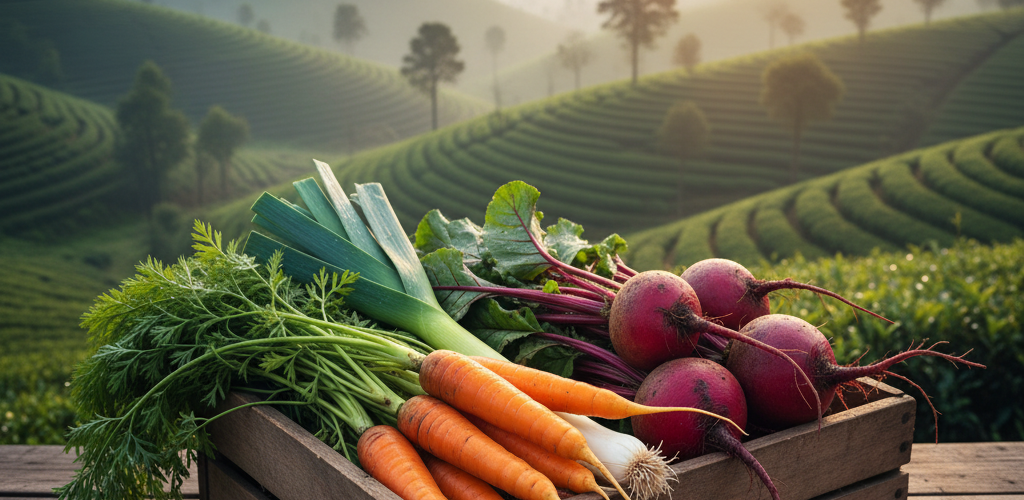
In recent years, a quiet revolution has been taking root in the misty hills of Nuwara Eliya and the bustling kitchens of Colombo. It is known as the Farm-to-Table movement, and for Sri Lankan families, it is changing more than just what is on the dinner plate—it is transforming our relationship with the land, our health, and our community.
For generations, the journey of a single carrot from a highland farm to a suburban kitchen was long, arduous, and often wasteful. Today, the desire for fresher, chemical-free produce is driving a shift toward shorter supply chains. By cutting out unnecessary middlemen and prioritizing direct connections, the farm-to-table movement ensures that the bounty of Sri Lanka’s soil reaches your table at the peak of its nutritional value.
The Current State of Sri Lankan Agriculture
Agriculture remains the heartbeat of our island nation. Contributing approximately 7-8% to the national GDP and employing nearly a quarter of the workforce, it is the primary livelihood for millions. However, the traditional supply chain has long been plagued by inefficiency. Recent studies by the Department of Agriculture reveal a staggering reality: Sri Lanka loses up to 40% of its agricultural produce after harvest. This equates to nearly 500,000 metric tonnes of fruits and vegetables wasted every year due to poor transportation and handling.
This waste isn’t just an economic loss of roughly Rs. 180 billion; it is a loss of nutrition for our children and a loss of hard-earned income for our farmers. The farm-to-table movement addresses this crisis head-on. By shortening the distance food travels—often called ‘food miles’—we can reduce these losses to as little as 5%, ensuring that the energy and water used to grow our food aren’t wasted in the back of a humid truck.
Why Nuwara Eliya is the Heart of the Movement
When we talk about fresh produce in Sri Lanka, all eyes naturally turn to Nuwara Eliya. With its unique ‘Little England’ climate and fertile upland soil, this region is responsible for a massive portion of our country’s temperate vegetables. For instance, Nuwara Eliya produces nearly 86% of the nation’s leeks and over 60% of its carrots.
However, intensive farming in the past led to concerns over soil erosion and heavy chemical use. The new wave of farm-to-table initiatives is encouraging a return to organic and sustainable practices. Farmers in the central highlands are increasingly adopting precision agriculture and organic composting to preserve the fragile mountain ecosystem. When you choose produce sourced directly from these farms, you are supporting a transition back to the high-quality, regional seeds that once made Nuwara Eliya’s harvest legendary.
The Benefits for Sri Lankan Families
As a parent or a home cook, your priority is the health of your loved ones. The benefits of the farm-to-table movement are felt most deeply at home:
- Peak Nutrition: Vegetables begin to lose their vitamins the moment they are harvested. A cabbage that sits in a warehouse for four days has significantly less Vitamin C than one delivered within 24 hours.
- Chemical-Free Peace of Mind: Traditional mass-market supply chains often prioritize shelf-life over safety. Direct-from-farm produce, like the selection offered by NunuFresh, focuses on organic methods that eliminate the need for harsh preservatives and pesticides.
- Superior Flavor: There is no substitute for the crunch of a fresh radish or the sweetness of a sun-ripened strawberry from the hills. Farm-to-table produce isn’t picked green to survive a long journey; it is picked when it is ready to eat.
- Transparency: In a farm-to-table system, you know exactly where your food comes from. This transparency builds trust, allowing families to feel connected to the soil and the seasons.
Empowering the Sri Lankan Farmer
The movement isn’t just about the consumer; it is a lifeline for the farmer. In the traditional system, farmers often receive only a fraction of the final retail price, with the lion’s share going to intermediaries and transporters. By establishing a direct link, farmers can earn a fair wage that reflects the true value of their labor.
This financial stability allows farmers to invest in better seeds, sustainable irrigation, and organic certifications. When a farmer knows they have a guaranteed market for their organic produce, they are less likely to resort to the ‘quick fix’ of chemical fertilizers. It creates a virtuous cycle: the farmer earns more, the soil stays healthier, and the consumer gets a better product.
The Role of Technology and Logistics
One of the biggest hurdles for the farm-to-table movement in Sri Lanka has always been logistics. How does a small-scale organic farmer in a remote corner of Nuwara Eliya get their harvest to a family in Colombo without it spoiling? This is where digital platforms have stepped in to bridge the gap.
By using smart routing and refrigerated transport, modern marketplaces can now coordinate harvests in real-time. Instead of produce sitting in a central market for days, it is packed at the farm and sent directly to the customer. Platforms like NunuFresh have been instrumental in this shift, providing the infrastructure that allows farmers to focus on growing while ensuring families receive the freshest possible produce at their doorstep.
How You Can Join the Movement
Transitioning to a farm-to-table lifestyle doesn’t have to happen overnight. Here are a few simple ways Sri Lankan families can start making a difference:
- Eat Seasonally: Learn which vegetables thrive in which months. Seasonal eating ensures you are getting produce at its most natural and affordable.
- Reduce Food Waste: By buying fresher produce, you naturally extend its life in your fridge, reducing the amount of food you have to throw away at the end of the week.
- Support Local Marketplaces: Look for vendors who prioritize direct sourcing and organic practices. Small choices in where you shop can have a massive impact on a farmer’s livelihood.
Conclusion: A Greener Future for Sri Lanka
The farm-to-table movement is more than a culinary trend; it is a necessity for a sustainable future in Sri Lanka. It protects our environment by reducing carbon emissions, saves our economy billions in post-harvest losses, and, most importantly, keeps our families healthy. By choosing to connect directly with the source of our food, we are honoring the hard work of our farmers and ensuring that the natural beauty and fertility of Sri Lanka are preserved for the next generation.
Ready to experience the difference of true farm-to-table freshness? Explore our hand-picked selection of organic produce at NunuFresh and bring the best of Nuwara Eliya directly to your kitchen today.
Shop Fresh from NunuFresh
These products mentioned in this article are available for delivery: