No products in the cart.
Zucchini Nutrition Guide: Vitamins, Minerals, and Health Benefits
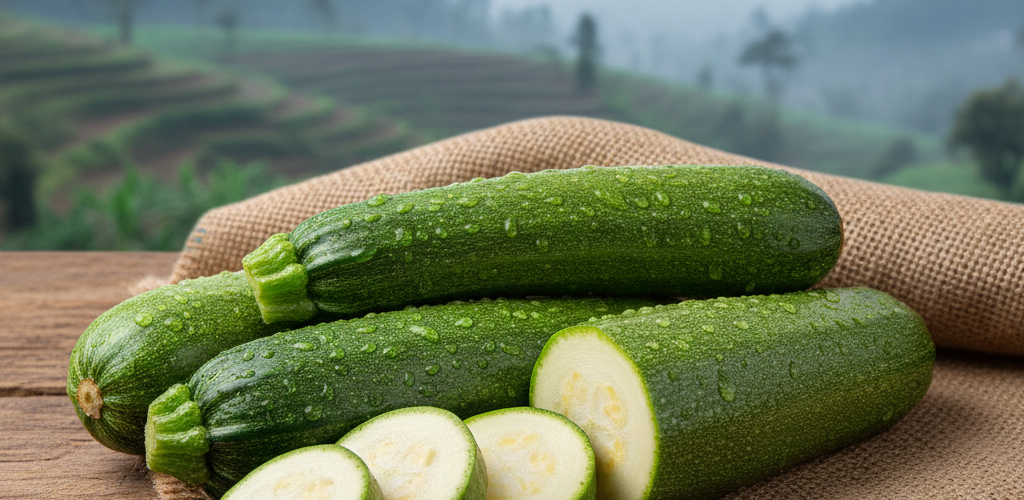
Introduction: The Rising Popularity of Zucchini in Sri Lanka
In recent years, the Sri Lankan culinary landscape has seen a delightful shift. While traditional vegetables like pathola (snake gourd) and vetakulu (ridge gourd) remain staples, a vibrant green newcomer has been making waves in kitchens from Colombo to Kandy: the Zucchini. Often referred to as ‘baby marrow’ or ‘courgette,’ this summer squash is not just a versatile ingredient for salads and pastas; it is a nutritional powerhouse. In the mist-covered hills of Nuwara Eliya, the rich soil and temperate climate provide the perfect environment for growing high-quality, organic zucchini that rivals any produced globally. At NunuFresh, we’ve seen firsthand how Sri Lankan families are embracing this vegetable for its incredible health profile and culinary flexibility.
The Nutritional Profile of Zucchini: A Closer Look
Zucchini is remarkably low in calories but high in essential nutrients. Because it is comprised of about 95% water, it is an excellent hydrating food, which is particularly beneficial in Sri Lanka’s tropical climate. However, don’t let its high water content fool you; the remaining 5% is packed with vitamins, minerals, and beneficial plant compounds.
Macro-Nutrients per 100g of Raw Zucchini
- Calories: 17 kcal
- Protein: 1.2 grams
- Fat: 0.3 grams
- Carbohydrates: 3.1 grams
- Fiber: 1.1 grams
- Sugar: 2.5 grams
One of the most appealing aspects of zucchini nutrition is its low glycemic index, making it a favorite for those managing blood sugar levels or following low-carb diets. But the real magic lies in its micronutrient density.
Essential Vitamins in Zucchini
Zucchini is a rich source of several key vitamins that support daily bodily functions and long-term health.
Vitamin C: The Immunity Booster
A single cup of sliced zucchini provides about 24% of your Daily Value (DV) of Vitamin C. This potent antioxidant is crucial for maintaining a robust immune system, which is vital for protecting against seasonal flus and infections. Furthermore, Vitamin C is essential for collagen production, helping to keep your skin firm and healthy despite the harsh tropical sun.
Vitamin A: For Vision and Beyond
Zucchini contains significant amounts of Vitamin A, primarily in the form of beta-carotene. This nutrient is vital for maintaining good vision, particularly in low-light conditions. It also plays a key role in supporting the health of the heart, lungs, and kidneys.
B-Vitamins: Energy Metabolism
Zucchini is particularly rich in Vitamin B6 (pyridoxine) and Riboflavin (B2). Vitamin B6 is essential for brain development and function, while also helping the body convert food into energy. For busy Sri Lankan professionals and active children, these B-vitamins are crucial for maintaining high energy levels throughout the day.
Vital Minerals Found in Nuwara Eliya Zucchini
The mineral content of vegetables is heavily influenced by the soil they are grown in. Zucchini harvested from the nutrient-rich, organic farms of Nuwara Eliya often boasts a superior mineral profile compared to mass-produced varieties.
- Potassium: Often associated with bananas, potassium is also found in significant amounts in zucchini. It helps regulate fluid balance, muscle contractions, and nerve signals. Most importantly, it helps maintain healthy blood pressure levels.
- Manganese: This trace mineral is essential for bone formation and blood clotting. It also plays a role in fat and carbohydrate metabolism.
- Magnesium: Important for over 300 biochemical reactions in the body, magnesium supports muscle and nerve function and helps keep the heartbeat steady.
7 Remarkable Health Benefits of Zucchini
1. Promotes Healthy Digestion
Zucchini is a friend to your gut. Its high water content softens stools, while its fiber content adds bulk, helping food move through your digestive tract more easily. This reduces the risk of constipation and promotes a healthy gut microbiome. Zucchini contains both soluble and insoluble fiber; the soluble fiber feeds the beneficial bacteria in your gut, which produce short-chain fatty acids that nourish your colon cells.
2. Supports Heart Health
The combination of fiber, potassium, and carotenoids in zucchini makes it a heart-healthy choice. The fiber (specifically pectin) can help lower LDL (bad) cholesterol levels. Meanwhile, potassium helps mitigate the negative effects of salt in the diet, potentially lowering blood pressure and reducing the risk of heart disease and stroke.
3. Aids in Weight Management
If you are looking to manage your weight without feeling hungry, zucchini is your best friend. Because it is low in calories but high in volume and fiber, it helps you feel full for longer. Replacing high-calorie starches like white rice or pasta with ‘zoodles’ (zucchini noodles) is a popular way to reduce caloric intake while still enjoying a satisfying meal.
4. Protects Your Vision
Zucchini is rich in the antioxidants lutein and zeaxanthin. These compounds accumulate in your retina, protecting your eyes from damage caused by UV rays and blue light. Regular consumption may reduce the risk of age-related macular degeneration and cataracts, which are significant concerns as we age.
5. Regulates Blood Sugar Levels
For the many Sri Lankans managing Type 2 diabetes, zucchini is an ideal dietary addition. Its low carbohydrate content prevents sharp spikes in blood sugar. Furthermore, the fiber in zucchini increases insulin sensitivity, helping the body stabilize blood sugar levels more effectively.
6. Enhances Skin Health
The high water content in zucchini provides internal hydration, which is the foundation of glowing skin. Additionally, the Vitamin C and manganese found in zucchini contribute to the formation of collagen, which improves skin elasticity and speeds up wound healing.
7. Anti-Inflammatory Properties
Zucchini contains anti-inflammatory compounds, including vitamins A and C, as well as polyphenols. Chronic inflammation is linked to many modern ailments, including arthritis and metabolic syndrome. Adding anti-inflammatory foods like organic zucchini to your diet can help reduce overall inflammation in the body.
The Organic Advantage: Why Nuwara Eliya Produce Matters
When it comes to zucchini, the skin is where many of the nutrients reside, particularly the antioxidants like lutein. However, in conventional farming, the skin is also where pesticide residues are most concentrated. This is why choosing organic zucchini is so important. When you purchase organic produce from NunuFresh, you are getting vegetables grown in the pristine environments of Nuwara Eliya, free from harmful synthetic chemicals. Organic farming practices also tend to preserve more of the natural mineral content of the soil, ensuring that every bite of your zucchini is as nutrient-dense as nature intended.
How to Incorporate Zucchini into Sri Lankan Meals
While zucchini is often used in Mediterranean cooking, it fits beautifully into Sri Lankan cuisine. Here are a few ways to enjoy it:
- Zucchini Mallum: Finely shred zucchini and sauté it with freshly scraped coconut, green chilies, turmeric, and mustard seeds. It cooks much faster than traditional greens!
- Zucchini White Curry: Cook sliced zucchini in a base of coconut milk, fenugreek, and cinnamon for a mild, creamy side dish that pairs perfectly with spicy red rice.
- Grilled Zucchini: Simply slice the zucchini into rounds, brush with a little coconut oil and salt, and grill them. This makes a fantastic accompaniment to grilled fish or chicken.
- Zucchini in Salads: Raw zucchini has a mild, nutty flavor. Thinly shave it into ribbons and toss with lime juice, black pepper, and a hint of salt for a refreshing salad.
How to Select and Store Zucchini
To get the most nutrition out of your zucchini, you need to ensure it is fresh. Look for zucchini that are firm to the touch and have a vibrant, glossy skin. Avoid those that feel soft or have visible shriveling. Small to medium-sized zucchinis are usually more flavorful and have smaller seeds than very large ones.
Store your zucchini in a paper bag in the vegetable crisper drawer of your refrigerator. It is best to use them within 4 to 5 days of purchase to ensure maximum vitamin retention. Because NunuFresh delivers directly from the farm to your doorstep, you often receive produce that was harvested just 24 hours prior, giving you the longest possible shelf life and the highest nutrient levels.
Conclusion: A Superfood for Every Sri Lankan Home
Zucchini is more than just a trend; it is a versatile, nutrient-dense vegetable that offers a wealth of benefits for the whole family. From supporting heart health and vision to aiding in weight management and digestion, the reasons to include this squash in your weekly groceries are endless. By choosing organic zucchini grown in the fertile soils of Nuwara Eliya, you are investing in the health of your family and supporting sustainable local agriculture.
Ready to experience the crunch and freshness of premium organic zucchini? Explore our wide selection of farm-fresh produce at NunuFresh and bring the best of Nuwara Eliya directly to your kitchen today.