No products in the cart.
Asparagus for Better Health: A Complete Nutritional Guide
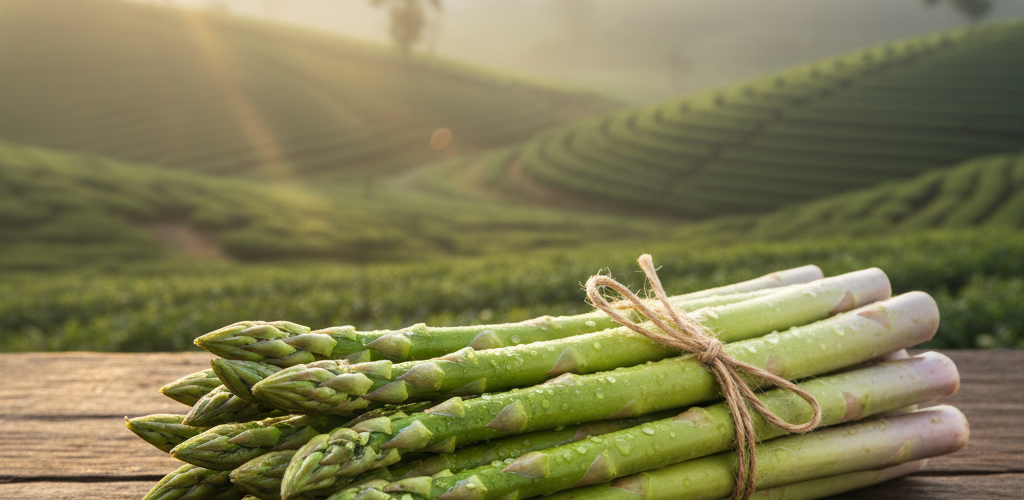
Introduction: The Green Powerhouse from the Hills of Nuwara Eliya
In the mist-covered highlands of Nuwara Eliya, where the air is crisp and the soil is rich, a nutritional marvel quietly grows. Asparagus, often referred to as the ‘King of Vegetables,’ has long been prized in gourmet kitchens worldwide. However, for Sri Lankan families looking to elevate their health, asparagus is much more than a fancy garnish; it is a nutrient-dense superfood packed with vitamins, minerals, and antioxidants.
While asparagus might have once seemed like an exotic addition to the Sri Lankan plate, the cool climate of our central highlands provides the perfect environment for cultivating high-quality, organic spears. In this guide, we will explore why you should consider adding this vibrant vegetable to your weekly grocery list and how it can contribute to a healthier, more vibrant lifestyle.
The Impressive Nutritional Profile of Asparagus
Before diving into the specific health benefits, let’s look at what makes asparagus so special. It is remarkably low in calories but exceptionally high in essential nutrients. Just half a cup (approx. 90 grams) of cooked asparagus contains:
- Calories: 20
- Protein: 2.2 grams
- Fiber: 1.8 grams
- Vitamin K: 57% of the RDI (Recommended Dietary Intake)
- Folate: 34% of the RDI
- Vitamin A: 18% of the RDI
- Vitamin C: 12% of the RDI
- Vitamin E: 7% of the RDI
Additionally, asparagus contains small amounts of micronutrients like iron, zinc, and riboflavin. When you choose organic produce, such as the spears sourced directly from farms via NunuFresh, you are ensuring that these nutrients are preserved without the interference of synthetic pesticides.
1. A Champion for Digestive Health
One of the standout benefits of asparagus is its high fiber content. Dietary fiber is essential for maintaining a healthy digestive system. Asparagus contains both soluble and insoluble fiber, which helps bulk up stool and support regular bowel movements.
Perhaps more importantly, asparagus is a natural source of inulin, a type of prebiotic fiber. Unlike other fibers, inulin isn’t digested until it reaches the large intestine, where it feeds the ‘good’ bacteria (probiotics) in your gut. A healthy gut microbiome is linked to improved immunity, better mood regulation, and enhanced nutrient absorption. For Sri Lankans accustomed to a diet rich in spices and diverse flavors, maintaining gut health is the foundation of overall wellness.
2. Essential Support for a Healthy Pregnancy
Asparagus is one of the best natural sources of folate, also known as Vitamin B9. For women who are pregnant or planning to conceive, folate is a non-negotiable nutrient. It plays a critical role in the formation of DNA and the prevention of neural tube defects during early fetal development.
Integrating just a few servings of fresh asparagus into your meals can provide a significant portion of the daily folate requirement. Because folate is water-soluble, it is best to consume it through fresh, organic vegetables that haven’t been stored for long periods. This is where the farm-to-table model becomes vital, ensuring the produce reaches your kitchen with its nutritional integrity intact.
3. Potent Antioxidant Properties
Antioxidants are compounds that help protect your cells from the harmful effects of free radicals and oxidative stress. Chronic oxidative stress is a leading contributor to inflammation, aging, and various diseases, including cancer.
Asparagus is rich in Vitamin E, Vitamin C, and glutathione, as well as various flavonoids like quercetin, isorhamnetin, and kaempferol. Studies have shown that these substances have blood pressure-lowering, anti-inflammatory, and anti-viral effects. By including asparagus in your diet, you are essentially providing your body with a natural shield against cellular damage.
4. Natural Diuretic and Kidney Support
In traditional medicine, asparagus has been used for centuries as a natural diuretic. It contains high levels of the amino acid asparagine, which stimulates the kidneys to flush out excess fluid and salt from the body. This can be particularly beneficial for individuals suffering from edema (swelling) or those looking to manage high blood pressure.
By promoting the production of urine, asparagus helps cleanse the urinary tract and prevents the buildup of salts that can lead to kidney stones. However, it is famous for one harmless side effect: the unique scent it gives to urine, caused by the breakdown of asparagusic acid. This is perfectly normal and a sign that your body is processing the vegetable’s unique compounds!
5. Heart Health and Blood Pressure Regulation
Heart disease remains a significant health concern globally and in Sri Lanka. Asparagus contributes to cardiovascular health in two major ways. First, its high potassium content helps relax the walls of the blood vessels and promotes the excretion of excess salt through urine, which naturally lowers blood pressure.
Second, the fiber and antioxidants in asparagus help manage cholesterol levels. By reducing systemic inflammation and keeping blood vessels flexible, asparagus supports a long-term healthy heart. When you buy fresh from Nuwara Eliya growers through NunuFresh, you’re getting produce that hasn’t spent weeks in cold storage, meaning the heart-healthy potassium and vitamins remain at their peak levels.
The Nuwara Eliya Advantage: Why Organic Matters
In Sri Lanka, the quality of your vegetables is largely determined by where and how they are grown. Asparagus thrives in the temperate, cool climate of Nuwara Eliya. However, because asparagus is a perennial crop (meaning it grows back every year), the soil quality is paramount.
Organic farming practices in the hills ensure that the soil remains nutrient-rich without the use of harsh chemicals. When you consume organic asparagus, you are avoiding the chemical residues that can often negate the health benefits of the vegetable. Organic produce also tends to have a more robust, earthy flavor—a sweetness that is characteristic of high-altitude farming.
How to Select and Store Your Asparagus
To get the most out of your asparagus, look for spears that are:
- Firm and straight: Avoid limp or wilted stalks.
- Closed tips: The buds at the top should be tightly closed and not flowering.
- Bright green or purple: Faded colors usually indicate the vegetable is past its prime.
To keep them fresh, treat them like a bouquet of flowers. Trim the bottoms and stand them upright in a glass with an inch of water, then cover the tops with a plastic bag and store them in the fridge. They will stay crisp for up to 5 days.
Delicious Ways to Enjoy Asparagus in Sri Lanka
While asparagus is often associated with Western cuisine, it is incredibly versatile and fits well into the Sri Lankan palate:
- Quick Stir-fry: Sauté asparagus with garlic, ginger, and a hint of soy sauce or coconut aminos. It stays crunchy and retains its vibrant color.
- Asparagus Mallum: For a local twist, finely chop the spears and toss them with freshly scraped coconut, green chilies, and turmeric for a unique version of a traditional mallum.
- Grilled/Roasted: Drizzle with olive oil, salt, and pepper, and roast until tender. This brings out a natural sweetness that children often love.
Conclusion: A Small Change for Big Health Gains
Asparagus is more than just a vegetable; it’s a nutritional investment. From supporting expectant mothers to protecting your heart and gut, the benefits of this green spear are undeniable. By choosing locally grown, organic asparagus from the fertile lands of Nuwara Eliya, you are supporting both your family’s health and our local farming communities.
Ready to experience the freshness of the hills? Visit NunuFresh today to browse our selection of organic, farm-fresh produce delivered directly from Nuwara Eliya to your doorstep. Your journey to better health starts with the right ingredients.