No products in the cart.
Pesticide-Free Farming in Sri Lanka: A Consumer Guide
Understanding the Shift to Pesticide-Free Farming in Sri Lanka
In recent years, the conversation around the dinner tables of Sri Lankan households has shifted. It is no longer just about the price of vegetables or the spice level of a curry; it is about safety. As consumers become more health-conscious, the demand for pesticide-free and organic produce has skyrocketed. But what does pesticide-free farming actually mean in the Sri Lankan context, and why is it becoming a vital part of our food security and public health?
Sri Lanka has a rich agricultural heritage, but the Green Revolution of the mid-20th century introduced heavy reliance on synthetic fertilizers and chemical pesticides to boost yields. While this initially increased production, the long-term consequences on our soil, water, and health have become impossible to ignore. Today, a new movement is taking root—one that looks back at traditional wisdom while embracing modern sustainable techniques to provide cleaner, safer food for our families.
The Critical Need for Chemical-Free Agriculture
The primary driver behind the push for pesticide-free farming in Sri Lanka is health. For decades, researchers have investigated the links between agrochemicals and various health issues prevalent in the island. Perhaps the most alarming is Chronic Kidney Disease of unknown etiology (CKDu), which has devastated farming communities in the North Central Province. While the causes are complex, many experts point to the presence of heavy metals and toxins from low-quality fertilizers and pesticides in the groundwater.
The Impact on Our Health
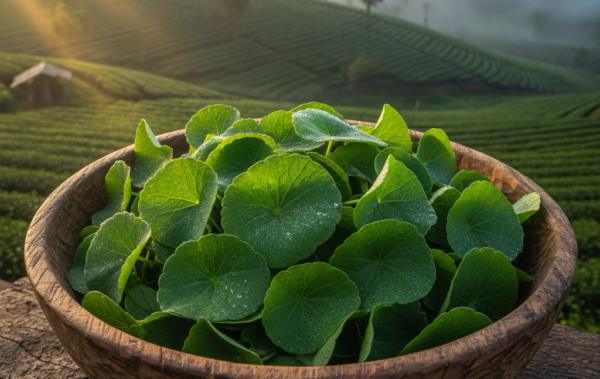
Beyond the agricultural heartlands, urban consumers are equally at risk. Pesticide residues on everyday vegetables like kale (gotukola), tomatoes, and green chilies can accumulate in the body over time. For children, whose bodies are still developing, exposure to these chemicals can lead to developmental delays and weakened immune systems. This is why many parents are now seeking out trusted sources for their groceries, looking for produce that hasn’t been doused in synthetic sprays just days before harvest.
Environmental Resilience and Soil Health
Pesticides don’t just kill ‘pests’; they often kill the beneficial insects, microbes, and fungi that keep the soil alive. In the lush hills of Nuwara Eliya, where much of Sri Lanka’s ‘Up-country’ vegetables are grown, the overuse of chemicals has led to soil erosion and a loss of biodiversity. Pesticide-free farming focuses on building healthy soil using compost and organic matter, which in turn creates plants that are naturally more resistant to disease. When the soil is healthy, the food it produces is more nutrient-dense.
Pesticide-Free vs. Certified Organic: What’s the Difference?
It is important for Sri Lankan consumers to understand the terminology often used in local markets. While the terms are sometimes used interchangeably, there are subtle differences:
- Certified Organic: This produce is grown according to strict international or national standards (like the SLS 1324 standard in Sri Lanka). It requires rigorous documentation and third-party inspections to ensure no synthetic chemicals are used at any stage.
- Pesticide-Free: This generally means that no synthetic pesticides were used during the growth of the crop. However, the farmer might still use synthetic fertilizers. It is a significant step up from conventional farming and focuses specifically on removing the most toxic elements from the food chain.
- Traditional/Natural Farming: Many small-scale farmers in Sri Lanka practice ‘Goviya’ methods, using heirloom seeds and natural pest repellents like neem oil or wood ash.
At NunuFresh, we recognize that the journey to 100% organic can be challenging for farmers. By supporting those who are transitioning away from harmful chemicals, we help create a sustainable market for cleaner produce that Sri Lankan families can trust.
The Nuwara Eliya Advantage: Freshness from the Hills
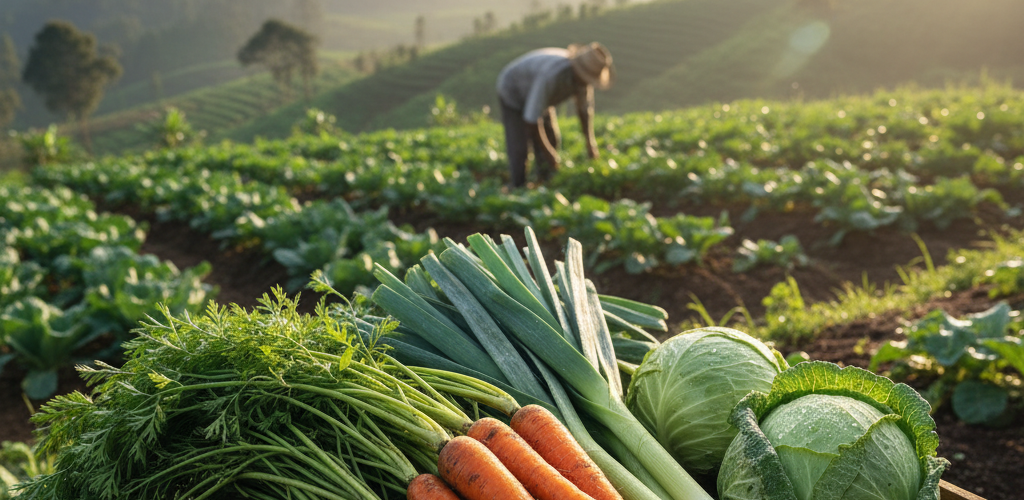
Nuwara Eliya, often called ‘Little England,’ is the crown jewel of Sri Lankan agriculture. Its cool climate and high altitude make it the perfect environment for temperate vegetables such as carrots, leeks, cabbage, and strawberries. However, the intensive nature of farming in this region has historically led to high chemical use.
The tide is turning. A growing number of farmers in the Nuwara Eliya district are returning to sustainable practices. Because the climate is naturally suited for these crops, there is less ‘stress’ on the plants, making it easier to manage pests through natural means. When you buy produce sourced directly from these farms, you aren’t just getting better taste; you’re getting the crisp, clean essence of the hill country. Sourcing directly from these farms, as platforms like NunuFresh do, ensures that the time between harvest and your kitchen is minimized, preserving both nutrients and flavor.
How to Identify Safer Produce in the Market
Unless you are buying from a certified organic outlet, it can be difficult to tell if a vegetable is pesticide-free just by looking at it. However, here are a few tips for Sri Lankan shoppers:
1. Look for ‘Imperfections’
We have been conditioned to look for perfectly shiny, uniform vegetables. However, a small hole in a leaf or a slightly irregular shape can actually be a sign that the plant wasn’t treated with heavy systemic pesticides. Nature isn’t perfect, and your vegetables shouldn’t look like they were manufactured in a factory.
2. Know Your Source
The best way to ensure safety is to know where your food comes from. Traditional ‘pola’ (markets) are great, but traceability is often lost. Modern marketplaces that emphasize direct-from-farm sourcing provide a layer of accountability that is essential for health-conscious consumers.
3. Seasonal Eating
Pests are often more prevalent during certain seasons. By eating vegetables that are naturally in season, you are consuming produce that grew when the environment was most favorable to it, requiring less human intervention and chemical support.
Supporting Local Farmers and the Economy
Choosing pesticide-free produce is also an act of economic support for our local farmers. Transitioning away from chemicals requires more labor and closer monitoring of crops. When consumers are willing to pay a fair price for ‘safe’ food, it incentivizes more farmers to ditch expensive, imported chemical inputs in favor of local, organic alternatives. This strengthens Sri Lanka’s agricultural independence and keeps more money within our rural communities.
Conclusion: Making the Switch for a Healthier Future
The movement toward pesticide-free farming in Sri Lanka is more than just a trend; it is a necessary evolution of our food system. By choosing produce that is grown with respect for the earth and the consumer, we are investing in the long-term health of our families and the preservation of our beautiful island’s environment. While the transition takes time, every carrot, leek, or bunch of greens you buy from a conscious source makes a difference.
Ready to bring the freshness of the Nuwara Eliya hills into your kitchen? Explore the wide selection of fresh, responsibly sourced produce at NunuFresh and taste the difference that clean farming makes. Visit nunufresh.lk today to start your journey toward a healthier lifestyle.