No products in the cart.
Nuwara Eliya: Discover the Vegetable Garden of Sri Lanka
The Heart of Sri Lankan Agriculture: An Introduction
Tucked away in the central highlands of Sri Lanka, shrouded in a perpetual blanket of mist and emerald-green tea bushes, lies Nuwara Eliya. Often referred to as “Little England” due to its colonial architecture and cool, temperate climate, this region is far more than just a tourist destination. It is the lifeblood of the island’s food supply. Known affectionately as the ‘Vegetable Garden of Sri Lanka,’ Nuwara Eliya provides the lion’s share of the nation’s ‘Up-country’ vegetables, feeding millions of families from Colombo to Jaffna.
For Sri Lankan families, the name Nuwara Eliya is synonymous with freshness. When we see the vibrant orange of a carrot or the deep purple of a beetroot in the market, we instinctively look for that signature Nuwara Eliya quality. But what makes this region so special? Why does a potato grown in the red soil of the highlands taste different from one grown elsewhere? In this article, we dive deep into the fertile valleys of the central hills to understand the magic behind the produce we love.
The Science of Soil and Climate
The secret to Nuwara Eliya’s agricultural success lies in its unique geography. Situated at an elevation of approximately 1,868 meters (6,128 feet) above sea level, the region enjoys a mean annual temperature between 15°C and 20°C. Unlike the tropical heat of the lowlands, this cool environment allows for the cultivation of temperate crops that simply cannot survive elsewhere on the island.
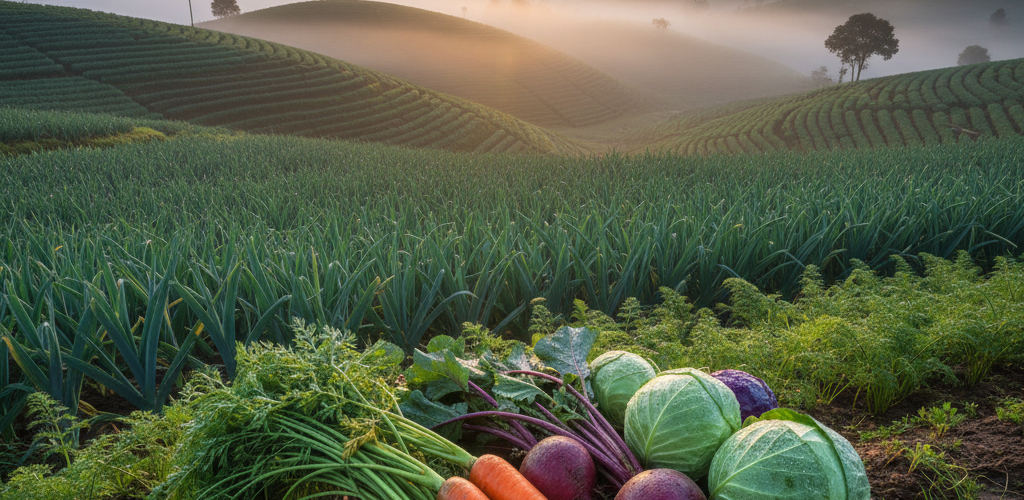
The soil in Nuwara Eliya is primarily Red Yellow Podzolic, which is rich in organic matter but requires careful management. Because the terrain is mountainous, farmers have mastered the art of terraced cultivation. These stunning steps carved into the hillsides aren’t just for show; they are a sophisticated method of preventing soil erosion while maximizing the use of limited land. This combination of high altitude, consistent rainfall, and specialized soil creates a microclimate that acts as a natural greenhouse for premium produce.
Iconic Crops: From the Highland Fields to Your Plate
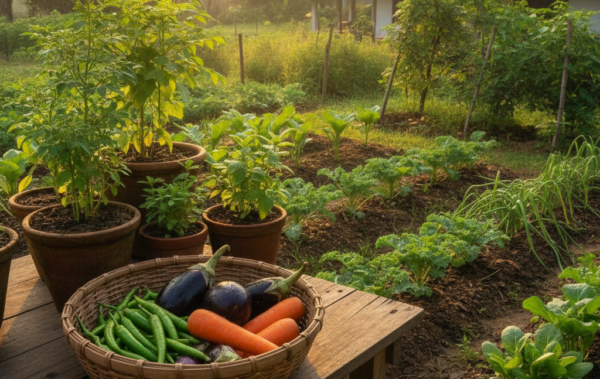
When you walk through the economic centers or browse organic selections on platforms like NunuFresh, the diversity of Nuwara Eliya produce is staggering. Here are the staples that define the region:
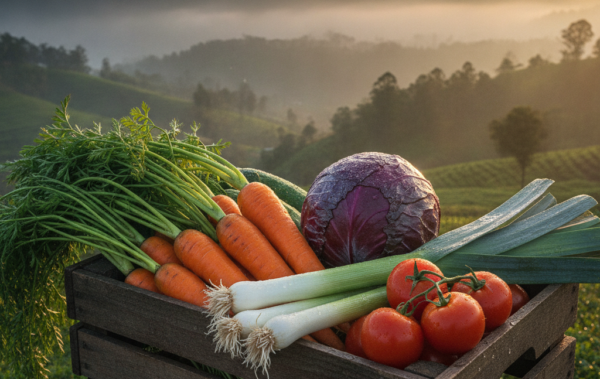
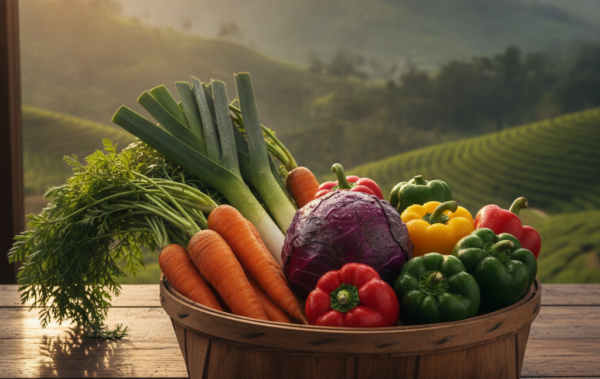
- Carrots: Known for their crunch and natural sweetness, Nuwara Eliya carrots are a household staple. They are often harvested while young to maintain a tender texture.
- Leeks: The cool weather is perfect for leeks, which grow thick and flavorful in the highlands, forming the base of many Sri Lankan soups and stews.
- Potatoes: The “Nuwara Eliya Potato” is legendary. Local varieties are prized for their floury texture, making them ideal for the perfect Sri Lankan potato curry (Ala Theldala).
- Cabbage and Cauliflower: These brassicas thrive in the mist. The cool nights ensure that cabbage heads remain tight and crisp.
- Exotic Berries: Beyond vegetables, Nuwara Eliya is the only place in Sri Lanka where strawberries thrive, adding a touch of sweetness to the region’s agricultural portfolio.
The Shift Toward Organic and Sustainable Farming
In recent years, there has been a significant shift in the way Nuwara Eliya farmers approach their land. Historically, the intensive nature of highland farming led to a heavy reliance on synthetic fertilizers. However, a growing movement of conscious farmers is returning to traditional, organic methods. This shift is driven by both environmental necessity and a rising demand from health-conscious Sri Lankan consumers.
Organic farming in the hills involves the use of composted tea waste, green manure, and natural pest control methods. These practices not only produce vegetables that are free from harmful chemical residues but also enhance the natural flavor profile of the produce. An organic carrot from Nuwara Eliya doesn’t just look better; it carries a depth of flavor that mass-produced, chemically-enhanced vegetables simply cannot match. By supporting organic marketplaces like NunuFresh, consumers are directly incentivizing these sustainable practices, ensuring the highlands remain fertile for generations to come.
A Day in the Life of a Nuwara Eliya Farmer
Agriculture in Nuwara Eliya is a labor of love. Unlike the mechanized flatlands of the North Central province, highland farming is intensely manual. Farmers often start their day before dawn, navigating the steep terraces as the sun begins to burn off the morning frost. Because the plots are often small and perched on hillsides, most of the planting, weeding, and harvesting is done by hand.
This manual labor ensures a level of quality control that is hard to replicate. Each head of broccoli is inspected, and each potato is hand-dug to avoid bruising. However, the path from the farm to the consumer’s table has historically been long and fraught with middlemen, leading to high post-harvest losses. Modern logistics and direct-to-consumer models are finally changing this, allowing farmers to get a fairer price while ensuring the produce reaches urban kitchens faster and fresher.
Why Freshness Impacts Your Family’s Nutrition
We often talk about “fresh” food, but the nutritional science behind it is fascinating. Many water-soluble vitamins, such as Vitamin C and various B vitamins, begin to degrade the moment a vegetable is harvested. In a traditional supply chain, a vegetable might sit in a truck, then a wholesale market, and finally a retail shelf for days before it reaches you.
When you source produce that comes directly from the farms of Nuwara Eliya, you are getting the peak nutritional value. The antioxidants in those dark leafy greens and the beta-carotene in those vibrant carrots are at their highest levels. This is why the “farm-to-table” philosophy is more than just a trend—it is a vital component of a healthy Sri Lankan diet.
Bridging the Gap: Bringing the Highlands to Your Home
For many living in Colombo, Kandy, or Gampaha, the idea of driving up to Nuwara Eliya just for the Sunday groceries is a dream. The challenge has always been accessibility. How do you get that farm-fresh quality without the five-hour drive? This is where NunuFresh steps in, acting as a direct bridge between the hardworking farmers of the Nuwara Eliya terraces and your kitchen table.
By streamlining the supply chain, NunuFresh ensures that the produce you receive was likely in the ground just a short time before it reached your door. This model reduces waste, supports the local highland economy, and ensures that your family is eating the very best that our “Vegetable Garden” has to offer.
Conclusion: Celebrating Our Agricultural Heritage
Nuwara Eliya is more than just a scenic backdrop for a holiday; it is a testament to the resilience and skill of the Sri Lankan farmer. Every time we enjoy a crisp salad or a hearty vegetable curry, we are tasting the unique terroir of the central highlands—the mist, the soil, and the cool mountain air.
As we become more mindful of what we put into our bodies, let us look toward the hills. Choosing organic, locally-grown produce from Nuwara Eliya isn’t just a healthy choice for our families; it’s a way to honor the land and the people who toil to keep Sri Lanka fed. Explore the bounty of the hills today and bring a piece of the ‘Little England’ freshness into your home.
Ready to taste the difference? Explore our hand-picked selection of fresh, organic produce sourced directly from the farms of Nuwara Eliya. Visit NunuFresh today and experience the true flavor of the highlands delivered straight to your doorstep.