No products in the cart.
Leeks for Better Health: Complete Guide to Nutritional Benefits
Introduction: The Hidden Superfood of the Sri Lankan Hills
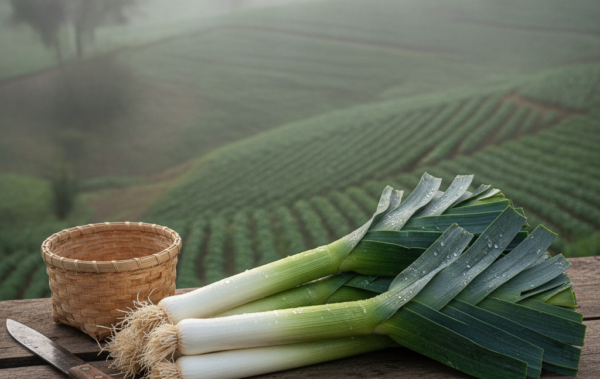
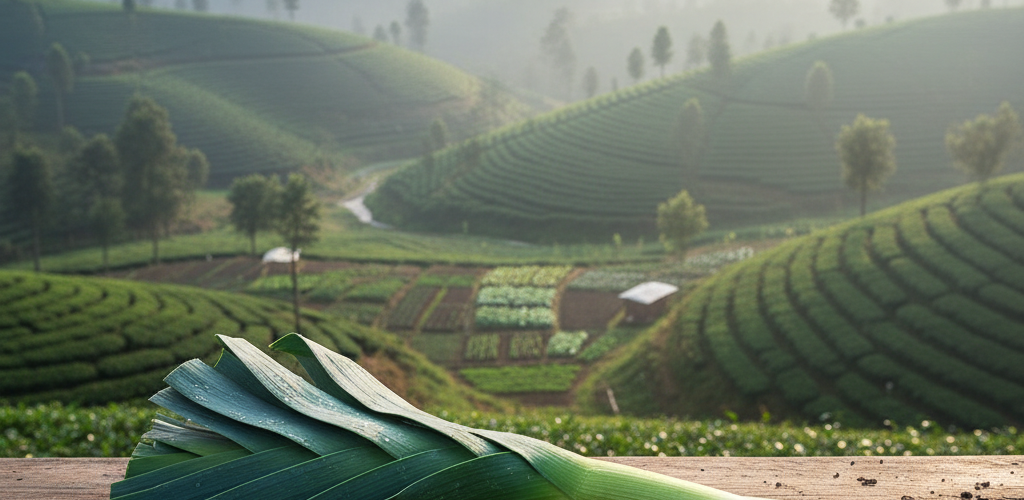
When you walk through the misty, terraced farms of Nuwara Eliya, one of the most vibrant sights is the endless rows of emerald-green stalks reaching toward the cool mountain air. Leeks (Allium porrum) have long been a staple in Sri Lankan kitchens, providing the aromatic base for our favorite curries, fried rice, and vegetable soups. However, beyond their mild, onion-like flavor lies a nutritional profile so dense that it rivals many globally recognized ‘superfoods.’
For Sri Lankan families looking to improve their wellness through diet, understanding the nutritional benefits of leeks is essential. Often overshadowed by their cousins—onions and garlic—leeks offer a unique combination of vitamins, minerals, and specialized antioxidants that support everything from heart health to digestion. In this guide, we will explore why these stalks from the ‘Little England’ of Sri Lanka deserve a permanent place on your dining table.
The Nutritional Profile: What Makes Leeks So Special?
Leeks are incredibly low in calories but exceptionally high in essential nutrients. A 100-gram serving of cooked leeks provides a wealth of micronutrients that are vital for daily bodily functions. According to nutritional research, leeks are particularly rich in:
- Vitamin K1: Essential for blood clotting and bone health. A single serving can provide over 30% of your daily recommended intake.
- Vitamin A: Crucial for maintaining healthy vision and a robust immune system.
- Manganese: A mineral that helps reduce symptoms of PMS and promotes thyroid health.
- Vitamin C: A powerful antioxidant that aids in collagen production and skin health.
- Fiber: Specifically soluble fiber, which is vital for gut health.
The Power of Kaempferol
One of the most significant components found in leeks is a polyphenol called kaempferol. Scientific studies have consistently linked kaempferol to a reduced risk of chronic diseases, including heart disease. This antioxidant works by protecting your blood vessel linings from damage and reducing inflammation throughout the body.
Top 5 Health Benefits of Including Leeks in Your Diet
1. Promotes Heart Health and Circulation
Heart disease remains a significant concern in Sri Lanka. Leeks contain several compounds that help protect the cardiovascular system. Like garlic and onions, leeks contain sulfur compounds such as allicin. Research suggests that allicin may help reduce cholesterol production in the liver and lower blood pressure by decreasing the stiffness of blood vessels.
Furthermore, the high concentration of folate (Vitamin B9) in leeks helps maintain low levels of homocysteine, a compound that, at high levels, is linked to an increased risk of heart attacks and strokes.
2. Enhances Digestion and Gut Microbiome
A healthy gut is the foundation of overall wellness. Leeks are a fantastic source of inulin, a type of prebiotic fiber that feeds the beneficial bacteria in your gut. When you consume leeks grown organically, you are providing your digestive system with the fuel it needs to maintain a balanced microbiome. This leads to better nutrient absorption, reduced bloating, and a stronger immune response.
3. Supports Healthy Weight Management
For those mindful of their weight, leeks are an ideal addition to meals. They are high in water and fiber, which promotes a feeling of fullness (satiety) without adding significant calories. Incorporating fresh leeks into a Sri Lankan vegetable broth or a light stir-fry can help curb overeating during meals.
4. Protects Your Vision
Leeks contain lutein and zeaxanthin, two carotenoids that are vital for eye health. These compounds act as a natural sunblock for your eyes, absorbing excess light energy and protecting against cataracts and age-related macular degeneration. Given the bright tropical sun in Sri Lanka, protecting our eyes through nutrition is a wise long-term strategy.
5. Anti-Inflammatory and Cancer-Fighting Potential
Emerging research into the Allium family of vegetables suggests that their organosulfur compounds may help inhibit the development of certain types of cancers, particularly those of the digestive tract. The anti-inflammatory properties of leeks help neutralize free radicals, reducing oxidative stress that can lead to cellular damage.
Why Nuwara Eliya Leeks are Superior
In Sri Lanka, the quality of produce is deeply tied to the soil and climate in which it is grown. The high altitude and cool, temperate climate of Nuwara Eliya provide the perfect environment for leeks to develop their full nutritional potential. Unlike produce grown in warmer, lowland areas, Nuwara Eliya leeks benefit from a slower growth cycle, which allows for a more concentrated accumulation of minerals and flavor.
When you choose organic produce, you are also ensuring that you aren’t consuming harmful pesticide residues. At NunuFresh, we source leeks directly from farmers who prioritize sustainable practices in the hills of Nuwara Eliya, ensuring that the ‘farm-to-table’ journey is as short as possible. This freshness is key because the vitamin C and folate content in leeks can begin to degrade shortly after harvest.
How to Select, Clean, and Store Your Leeks
To get the most out of your leeks, you need to know how to handle them properly. Because of the way they are grown (hilled with soil to keep the stalks white), they can often trap sand and dirt between their layers.
Selection Tips
- Look for leeks with firm, white stalks and dark, vibrant green tops.
- Avoid leeks that are yellowing or have withered leaves.
- Smaller leeks tend to be more tender and have a milder flavor than very large ones.
Cleaning Process
1. Trim the dark green tops (save them for making vegetable stock!).
2. Cut off the root end.
3. Slice the leek lengthwise and rinse under cold running water, fanning out the layers to wash away any trapped silt from the Nuwara Eliya soil.
Storage
Leeks can stay fresh in the refrigerator for up to two weeks if stored properly. Wrap them lightly in a damp paper towel and place them in a perforated plastic bag to maintain moisture without causing rot.
Traditional and Modern Ways to Cook Leeks in Sri Lanka
While many of us are used to the standard ‘Leeks and Potato’ curry, there are many ways to enjoy this vegetable while preserving its nutrients:
- The Quick Stir-Fry: Slice leeks thinly and sauté them with a little coconut oil, turmeric, and dried sprats for a crunchy, nutrient-dense side dish.
- The Nutritious Soup: Blend boiled leeks with a small amount of coconut milk and ginger for a warming, immune-boosting soup during the rainy season.
- Leek Mallum: Finely shred the white and light green parts, and toss them with freshly scraped coconut, green chilies, and lime juice for a refreshing take on a traditional mallum.
Using fresh, organic produce from a trusted source like NunuFresh ensures that the flavors are crisp and the nutritional integrity is at its peak, making your home-cooked meals both delicious and therapeutic.
Conclusion: A Simple Step Toward Better Health
Incorporating leeks into your weekly grocery list is one of the simplest and most effective ways to boost your family’s health. From protecting your heart to ensuring your digestive system runs smoothly, these versatile stalks are a gift from the Sri Lankan highlands. By choosing fresh, locally-grown, and organic options, you are not only nourishing your body but also supporting the hardworking farming communities of Nuwara Eliya.
Ready to bring the freshness of the hills to your kitchen? Explore the wide range of organic produce at NunuFresh and have the finest leeks and vegetables delivered directly to your doorstep anywhere in Sri Lanka.
Start your journey to better health today. Visit NunuFresh.lk to order your fresh organic produce!