No products in the cart.
Seasonal Beetroot Guide: Best Time to Buy & Storage Tips
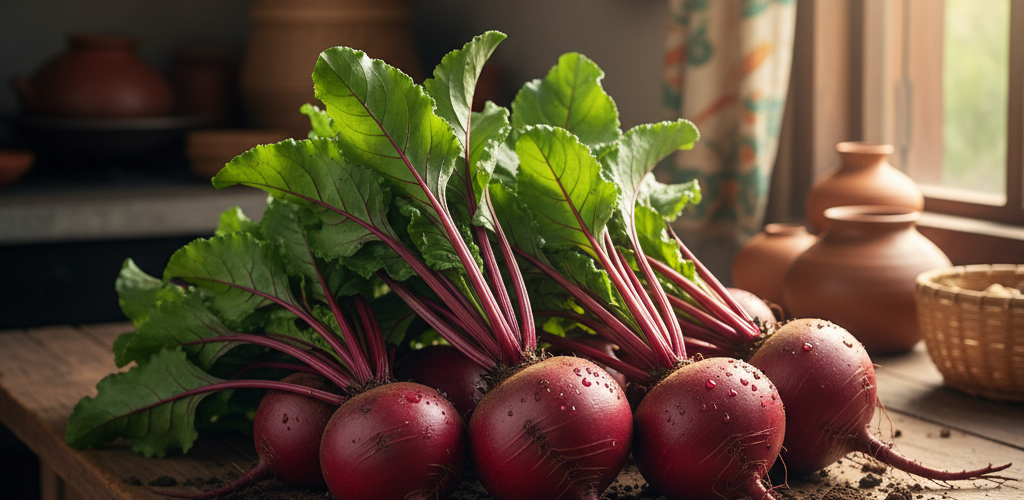
The Crimson Jewel of Nuwara Eliya: An Introduction to Beetroot
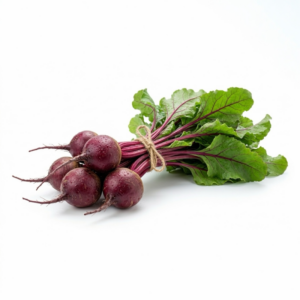
In the mist-covered highlands of Nuwara Eliya, where the air is crisp and the soil is rich with nutrients, grows one of nature’s most vibrant superfoods: the beetroot. Known for its deep, earthy flavor and an unmistakable crimson hue that can transform any plate, beetroot (Beta vulgaris) has become a staple in Sri Lankan households. Whether it is grated into a fresh ‘sambol’, tempered into a creamy coconut milk curry, or blended into a detoxifying juice, this root vegetable is as versatile as it is nutritious.
However, many home cooks face the same challenge: how do you ensure you are buying the best quality beetroot, and more importantly, how do you keep it from turning soft and shriveled in the tropical heat? Understanding the seasonality of beetroot in Sri Lanka and mastering the art of storage is key to making the most of this vegetable. In this guide, we will explore everything you need to know about seasonal beetroot, from the farm gates of Nuwara Eliya to your kitchen table.
Understanding the Beetroot Season in Sri Lanka
Unlike many temperate countries where beetroot is strictly a cool-weather crop harvested in autumn, Sri Lanka’s unique geography allows for a more consistent supply. The central highlands, particularly districts like Nuwara Eliya, Welimada, and Badulla, provide the perfect microclimate for beetroot cultivation year-round. The temperature in these regions typically fluctuates between 15°C and 25°C, which is the ‘sweet spot’ for root development.
Peak Quality vs. Year-Round Availability
While you can find beetroot in local markets throughout the year, the quality often peaks during the drier months following the monsoon seasons. In Sri Lanka, the major cultivation cycles are tied to the Maha and Yala seasons. Beetroots harvested during the tail end of the Maha season (typically February to April) often boast a higher sugar content and a firmer texture due to the stable sunlight and controlled moisture levels in the soil.
During periods of heavy rainfall, such as the peak of the Southwest Monsoon, beetroots can sometimes become ‘water-logged,’ leading to a slightly diluted flavor and a shorter shelf life. This is why sourcing from dedicated organic marketplaces like NunuFresh is beneficial; they prioritize produce harvested at the optimal time from farms that use sustainable drainage and soil management practices.
How to Choose the Perfect Beetroot
Selecting the right beetroot at the market is the first step toward a delicious meal. Since the root grows underground, it can be tricky to tell what’s happening inside. Here are the expert tips for picking the best of the bunch:
- Check the Firmness: A fresh beetroot should feel heavy for its size and be rock-hard to the touch. If it feels soft, spongy, or yields to pressure, it has likely lost its moisture and will be fibrous when cooked.
- Look at the Skin: The skin should be smooth and relatively free of deep cracks or major blemishes. While a little dried soil is a good sign of freshness (it protects the root), avoid those with large gashes which can lead to rot.
- Inspect the Greens: If the beetroot still has its leafy tops attached, you are in luck! The leaves are a primary indicator of freshness. They should be bright green, crisp, and not wilted. Remember, the leaves are also edible and highly nutritious!
- Size Matters: For the best flavor and texture, aim for medium-sized beets (about the size of a tennis ball or slightly smaller). Very large beetroots can sometimes be ‘woody’ or tough in the center, requiring much longer cooking times.
The Science of Storing Beetroot for Long-Lasting Freshness
Sri Lanka’s humidity can be a challenge for root vegetables. If left on a kitchen counter in Colombo or Galle, a beetroot will start to lose its vitality within just a couple of days. To maintain that ‘farm-fresh’ crunch, you need to manage two factors: temperature and moisture.
Step 1: The Pre-Storage Prep
The biggest mistake people make is washing their beetroot as soon as they get home. Never wash your beetroot until you are ready to use it. Moisture on the skin encourages mold growth. Instead, gently brush off any loose soil with a dry cloth.
Secondly, if your beets came with leaves, cut them off immediately. The leaves continue to draw moisture and nutrients out of the root even after harvest. Cut the stems about 1 to 2 inches above the root—do not cut into the root itself, or it will ‘bleed’ its juice during storage and cooking.
Step 2: Refrigeration Techniques
For the best results, place the unwashed, trimmed roots into a perforated plastic bag or a reusable vegetable mesh bag. Store them in the vegetable crisper drawer of your refrigerator. In this environment, organic beetroots from Nuwara Eliya can stay fresh for up to 3 to 4 weeks. The cold temperature slows down the metabolic rate of the vegetable, preserving its natural sugars.
Step 3: Can You Freeze Beetroot?
Yes, but with a catch. You cannot freeze raw beetroot successfully as the cell structure breaks down, leaving you with a mushy mess. To freeze beetroot, you must first boil or steam it until tender, peel it, and then slice or cube it. Once cooled, seal the pieces in an airtight container or freezer bag. This is a great way to prep for future smoothies or quick salads.
Nutritional Powerhouse: Why Your Body Loves Beetroot
Beyond its taste, beetroot is a nutritional titan. It is one of the few plants that contains betalains—powerful antioxidants that give the vegetable its red color and provide anti-inflammatory and detoxification support. In a world where processed foods are common, incorporating fresh produce from NunuFresh into your diet is a simple way to boost your health.
Key Health Benefits:
- Blood Pressure Regulation: Beetroots are rich in dietary nitrates, which the body converts into nitric oxide. This helps relax and dilate blood vessels, potentially lowering blood pressure levels.
- Enhanced Athletic Performance: Many athletes in Sri Lanka are turning to beetroot juice to improve stamina. The nitrates improve the efficiency of mitochondria, the energy-producing organs in your cells.
- Digestive Health: One cup of beetroot contains nearly 4 grams of fiber, which is essential for preventing constipation and promoting a healthy gut microbiome.
- Rich in Folate (Vitamin B9): Crucial for DNA synthesis and repair, making it an excellent food for pregnant women and overall cellular health.
Bringing the Farm to Your Table: Cooking with Beetroot
In Sri Lanka, we have perfected the art of the Beetroot Curry (Beetroot Kirata). The sweetness of the root balances perfectly with the creaminess of coconut milk and the heat of green chilies. To keep the nutrients intact, try to avoid over-boiling. Steaming is the best way to retain the water-soluble vitamins.
For a modern twist, try a Beetroot and Gotu Kola salad. The earthy sweetness of thinly sliced raw beetroot pairs beautifully with the herbal notes of Gotu Kola and a squeeze of fresh lime. This combination is a cooling, refreshing side dish perfect for a hot afternoon.
The Importance of Organic and Local Sourcing
When you buy beetroot, you aren’t just buying a vegetable; you are supporting a farming ecosystem. Traditional farming in Nuwara Eliya is a labor of love. By choosing organic produce, you ensure that no synthetic pesticides or chemical fertilizers have leached into the root—which is particularly important for vegetables that grow directly in the soil.
Organic farming practices also protect the delicate environment of the Sri Lankan highlands, preventing soil erosion and preserving the biodiversity of our beautiful island. When you order through platforms that connect you directly to these farms, you ensure that the farmers receive a fair price and that the produce reaches you in the shortest possible time, locking in the nutrients that are often lost during long, traditional supply chains.
Conclusion: Freshness is Just a Click Away
Beetroot is more than just a colorful addition to your meal; it is a seasonal gift from the fertile soils of Nuwara Eliya. By knowing when to buy, how to select the firmest roots, and the proper way to store them in your refrigerator, you can enjoy the maximum flavor and health benefits of this incredible vegetable throughout the year.
Ready to experience the difference that farm-fresh, organic produce makes? At NunuFresh, we bring the best of Nuwara Eliya’s harvests directly to your doorstep. From vibrant beetroots to crisp greens, our selection is curated to ensure your family enjoys the healthiest, most flavorful ingredients Sri Lanka has to offer.
Explore our fresh organic produce today and taste the goodness of Nuwara Eliya!
Shop Fresh from NunuFresh
These products mentioned in this article are available for delivery: