No products in the cart.
How to Choose the Freshest Okra: A Guide for Sri Lankans
The Art of Selecting the Perfect Bandakka
In every Sri Lankan kitchen, ‘Bandakka’ or Okra holds a place of honor. Whether it is a crispy Bandakka Theldala (tempered okra) or a creamy, coconut-milk-infused curry, this vegetable is a staple for families across the island. However, as any seasoned home cook knows, nothing ruins a meal faster than a ‘woody’ okra pod that is impossible to chew. Choosing the freshest okra is an art form, a sensory experience that involves sight, touch, and even sound.
When you shop at a local market or browse through a digital marketplace like NunuFresh, understanding the indicators of quality ensures that you get the best nutritional value and taste for your family. In this comprehensive guide, we will dive deep into the secrets of selecting the finest okra, the benefits of organic farming in regions like Nuwara Eliya, and how to keep your produce fresh once it reaches your kitchen.
1. Look for the ‘Vibrant Green’ Glow
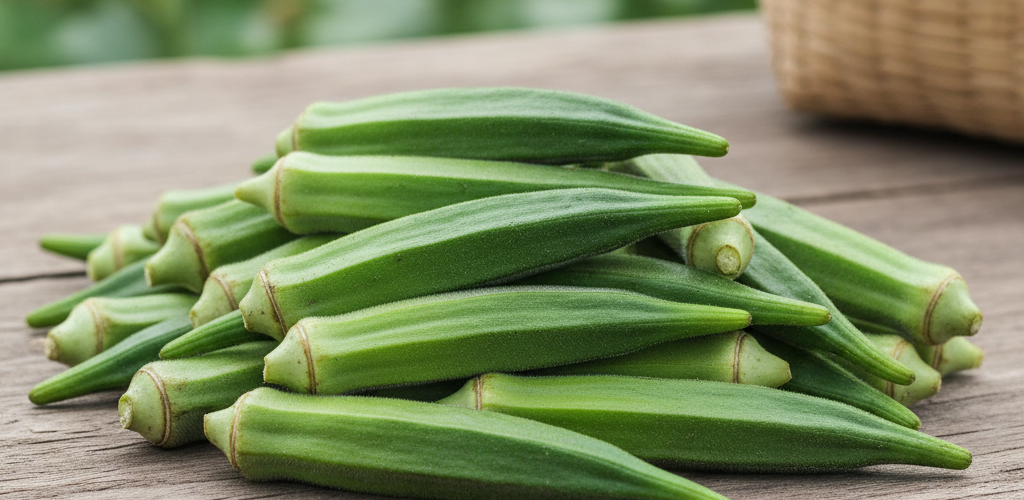
The first step in choosing the freshest okra is visual. High-quality okra should have a bright, consistent green color. Depending on the variety, some might be a pale green, while others are a deep emerald. Regardless of the shade, the color should look ‘alive’ and saturated.
- Avoid Brown Spots: Small brown streaks or spots (bruising) can indicate that the okra has been handled roughly or is starting to age.
- Steer Clear of Dullness: If the skin looks dull or slightly greyish, the pod is likely dehydrated and has lost its crispness.
- Check the Tips: The very tip of the okra is the first part to turn brown as it loses freshness. Always inspect the ends.
2. Size Matters: Why Smaller is Better
In the world of okra, bigger is rarely better. Large okra pods are often a sign that the vegetable has stayed on the plant too long. As okra matures beyond its prime harvesting window, it becomes fibrous and tough—a texture often described as ‘woody.’
For the best culinary experience, look for pods that are between 2 to 4 inches long. These younger pods are tender, possess a delicate flavor, and have seeds that are still small and soft. At NunuFresh, our sourcing process prioritizes these younger harvests, ensuring that the produce delivered from the farm to your doorstep remains at peak tenderness.
3. The Famous ‘Snap Test’
If you are at a physical market, the ‘snap test’ is the ultimate decider of freshness. Gently bend the very tip of the okra pod. In a fresh, young okra, the tip should snap off cleanly and easily with a distinct ‘pop’ sound.
If the tip bends without snapping, or if it feels rubbery and flexible, the okra is old. This lack of resistance means the moisture content has dropped, and the fibers have toughened. While you shouldn’t snap every pod in a bin (to be respectful to the vendor!), testing one or two can give you a clear idea of the batch’s quality.
4. Texture and Feel
Fresh okra should feel firm to the touch but not rock-hard. When you hold it, you should notice a slight ‘fuzziness’ on the skin. These tiny, hair-like structures (trichomes) are a sign of a recently harvested vegetable. As okra ages or is handled excessively, these hairs wear off, and the skin becomes smooth or slimy.
Avoid okra that feels limp, soft, or ‘squishy.’ This is a sign of internal decay or that the vegetable has been stored in a humid, poorly ventilated environment for too long.
5. Why Organic Okra is the Superior Choice
In Sri Lanka, the shift toward organic produce is more than just a trend; it is a return to our agricultural roots. Choosing organic okra means you are avoiding synthetic pesticides and fertilizers that can linger on the porous skin of the vegetable. Because okra has a relatively thin skin, it can easily absorb chemical residues used in conventional farming.
Organic farming practices, like those supported by NunuFresh, focus on soil health. When okra is grown in nutrient-rich, organic soil—often found in the fertile belts surrounding the central highlands and intermediate zones—it tends to have a higher concentration of antioxidants and minerals. You can truly taste the difference; organic okra often has a sweeter, more complex flavor compared to its mass-produced counterparts.
6. Nutritional Powerhouse: What’s Inside?
Choosing fresh okra isn’t just about taste; it’s about health. Okra is a nutritional heavyweight that offers several key benefits:
- High in Fiber: It contains both soluble and insoluble fiber, which aids digestion and helps stabilize blood sugar levels.
- Rich in Vitamin K: Essential for bone health and blood clotting.
- Antioxidant Rich: Okra contains polyphenols, including vitamins A and C, which help fight oxidative stress in the body.
- The ‘Slime’ Factor: The mucilage in okra is actually highly beneficial for gut health, acting as a natural lubricant for the digestive tract.
7. From Farm to Table: The Nuwara Eliya Connection
While okra is traditionally a warm-weather crop, the distribution networks in Sri Lanka are evolving. Many of the freshest vegetables found in our markets are consolidated and distributed through hubs like Nuwara Eliya. The cool climate of the hills is perfect for storing and transporting produce, keeping it crisp before it makes the journey to the warmer coastal cities.
By choosing produce that is sourced directly from farmers and handled with care, you reduce the ‘food miles’ and the time your vegetables spend in transit. This speed is crucial for okra, which begins to lose its vitamin C content almost immediately after being picked.
8. How to Store Your Okra at Home
Once you’ve selected the perfect batch, how you store it determines how long it stays fresh. Follow these tips to extend its shelf life:
Keep it Dry
Moisture is the enemy of fresh okra. Never wash your okra until you are ready to cook it. If you wash it and then store it, the moisture will trigger the release of mucilage, making the pods slimy and prone to mold.
The Paper Bag Method
Store your okra in a paper bag or wrap it in a dry cloth before placing it in the vegetable crisper drawer of your refrigerator. This allows the vegetable to breathe while absorbing any excess humidity.
Timing is Everything
Even with perfect storage, okra is best consumed within 2 to 3 days of purchase. The longer it sits, the more it loses its characteristic ‘snap.’
Conclusion: Quality You Can Trust
Choosing the freshest okra is a simple way to show love to your family through the food you provide. By looking for small, vibrant, and firm pods, you ensure that your curries and fries are always delicious and packed with nutrients. In a busy world, finding the time to visit multiple markets for the best produce can be a challenge.
At NunuFresh, we take the guesswork out of the equation. We specialize in sourcing the highest quality, organic produce from the heart of Sri Lanka’s farming communities. Our commitment to freshness means that when you order your ‘Bandakka’ from us, it has been selected with the same care you would use yourself, ensuring that only the tenderest, most vibrant pods reach your kitchen.
Ready to taste the difference of farm-fresh, organic produce? Explore our selection of fresh vegetables today and bring the best of Sri Lankan agriculture to your dining table.