No products in the cart.
How Highland Farmers Grow Organic Mushrooms in Sri Lanka
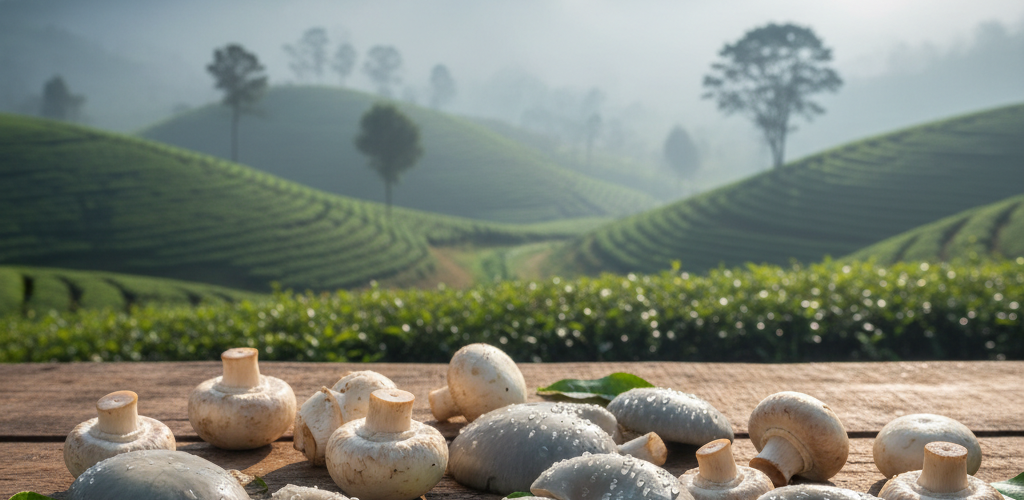
The Magic of the Misty Hills: Mushroom Farming in Nuwara Eliya
In the heart of Sri Lanka’s central highlands, where the morning mist clings to the emerald tea bushes and the air carries a crisp, cool chill, a quiet revolution is happening. While Nuwara Eliya is world-famous for its tea and temperate vegetables, a new star is emerging from the shaded, humid corners of highland farms: the organic mushroom. For Sri Lankan families seeking healthy, meat-free protein alternatives, understanding how these earthy delights are grown is the first step toward appreciating their true value.
Mushroom cultivation in Sri Lanka has evolved from a backyard hobby into a sophisticated, sustainable industry. In the highlands, the unique climatic conditions provide a natural advantage, allowing farmers to produce varieties that struggle in the tropical heat of the lowlands. Today, we take a deep dive into the fascinating journey of organic mushrooms, from the spore to your dinner table, and look at how highland farmers are leading the way in sustainable agriculture.
Why the Highland Climate is Perfect for Organic Mushrooms
Mushrooms are fungi, not plants, which means they don’t need sunlight to grow. Instead, they thrive on moisture, specific temperature ranges, and high humidity. In the lowlands of Sri Lanka, farmers often have to invest heavily in cooling systems to keep their grow houses at the right temperature. However, in regions like Nuwara Eliya, Bandarawela, and Welimada, nature does the work for them.
Natural Temperature Control
Most popular mushroom varieties, such as Oyster and Button mushrooms, prefer temperatures between 18°C and 25°C. The natural ambient temperature of the Sri Lankan highlands sits perfectly within this window for most of the year. This reduces the carbon footprint of the farm, as there is less need for artificial climate control, making highland mushrooms inherently more eco-friendly.
The Humidity Factor
Highland areas naturally experience higher humidity due to frequent rainfall and mist. Mushrooms require a humidity level of about 80-90% to develop their caps properly. By utilizing the natural moisture in the air, highland farmers can maintain the perfect environment for their crops with minimal water intervention, ensuring the mushrooms are succulent and firm.
Popular Organic Mushroom Varieties in Sri Lanka
While there are thousands of mushroom species, Sri Lankan highland farmers focus on a few varieties that are both commercially viable and nutritionally dense.
Oyster Mushrooms (Makulu Bimmal)
The most common variety in Sri Lanka, Oyster mushrooms, are beloved for their velvety texture and mild, savory flavor. They are relatively easy to grow organically and are packed with protein and essential amino acids. In the highlands, these grow larger and thicker than their lowland counterparts.
Button Mushrooms (Agaricus bisporus)
Unlike the Oyster mushroom, the Button mushroom is a bit of a diva. It requires much cooler temperatures (often below 18°C) to fruit properly. This makes the highest peaks of Nuwara Eliya the only place in Sri Lanka where Button mushrooms can be grown successfully without massive energy consumption. These are prized for their firm texture and are a staple in gourmet Sri Lankan cooking.
Milky Mushrooms
A relatively newer addition to the Sri Lankan market, Milky mushrooms are robust and have a long shelf life. They are excellent for organic farming because they are naturally resistant to many common pests, reducing the need for any form of intervention.
The Step-by-Step Organic Growing Process
Organic farming isn’t just about avoiding chemicals; it’s about creating a closed-loop system that respects nature. Here is how our highland farmers bring these mushrooms to life.
Step 1: Preparing the Natural Substrate
Since mushrooms don’t grow in soil, they need a “substrate” or a base material to eat. Organic farmers in Sri Lanka typically use a mixture of rubber wood sawdust, paddy straw, and rice bran. These are all agricultural by-products that would otherwise go to waste. To ensure it is organic, farmers source sawdust from untreated wood and mix it with lime (calcium carbonate) to balance the pH levels naturally.
Step 2: Sterilization Without Chemicals
To ensure only the good fungi grow, the substrate must be cleaned. In organic highland farming, this is done through steam sterilization. The substrate bags are placed in large drums and steamed for several hours. This kills off any wild bacteria or competing fungi using nothing but pure water vapor.
Step 3: Inoculation and Incubation
Once cooled, the bags are “seeded” with mushroom spawn. This is a delicate process that requires a sterile environment. The bags are then moved to a dark, quiet incubation room. In the cool highland air, the white mycelium (the root system of the mushroom) slowly spreads through the bag, turning it completely white over 3 to 4 weeks. This phase is crucial for developing the flavor profile of the mushroom.
Step 4: The Harvest
When the mycelium is mature, the bags are opened, and the humidity is increased. Within days, tiny “pinheads” emerge and rapidly grow into full-sized mushrooms. Highland farmers harvest these by hand at the break of dawn, ensuring they are at their peak freshness. Because platforms like NunuFresh prioritize direct sourcing, these mushrooms often reach customers within 24 to 48 hours of being picked.
The Health Benefits of Highland Organic Mushrooms
For the health-conscious Sri Lankan family, mushrooms are a nutritional powerhouse. They are one of the few non-animal sources of Vitamin D—a nutrient that is enhanced when mushrooms are grown in the pure, high-altitude air. They are also rich in:
- Selenium: A powerful antioxidant that supports the immune system.
- B Vitamins: Essential for energy production and brain health.
- Potassium: Important for heart health and maintaining healthy blood pressure.
- Fiber: Specifically beta-glucans, which help lower cholesterol and improve gut health.
By choosing organic, you ensure that these nutrients aren’t accompanied by pesticide residues or synthetic growth enhancers, making them safe for children and the elderly alike.
Supporting Sustainable Agriculture with NunuFresh
When you buy organic mushrooms grown in the highlands, you aren’t just buying food; you are supporting a delicate ecosystem. Highland farmers often operate small-scale family businesses. By choosing to source your produce through NunuFresh, you are directly contributing to the livelihoods of these farming communities in Nuwara Eliya and surrounding areas.
NunuFresh acts as the vital link between the misty mountains and your kitchen. By streamlining the supply chain, they ensure that delicate items like mushrooms don’t sit in hot warehouses or undergo unnecessary handling. This “farm-to-fork” approach preserves the organic integrity and the crisp texture that highland produce is known for.
Conclusion: Bringing the Hills to Your Kitchen
The journey of an organic mushroom from a highland farm to your curry pot is a testament to the harmony between Sri Lankan farmers and their environment. Through patient cultivation, natural sterilization, and the perfect climate of Nuwara Eliya, these farmers produce a superfood that is as kind to the planet as it is to your body.
Next time you enjoy a spicy mushroom devilled or a creamy mushroom soup, remember the misty hills and the hard-working hands that made it possible. Choosing organic and locally grown produce is a small step that makes a big difference for your health and our beautiful island’s future.
Ready to taste the difference of farm-fresh highland produce? Explore our wide selection of organic vegetables and fresh mushrooms at NunuFresh. We bring the best of Nuwara Eliya’s harvests directly to your doorstep. Shop our organic collection today!