No products in the cart.
From Mist to Plate: How Highland Farmers Grow Organic Lettuce
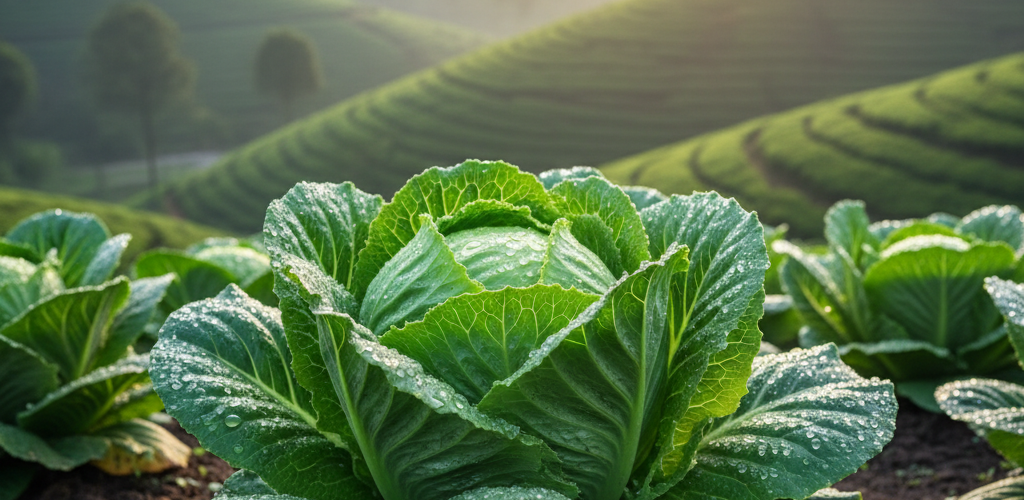
The Emerald Hills of Nuwara Eliya: A Natural Greenhouse
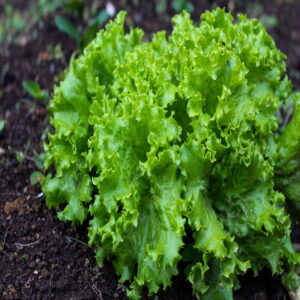
In the heart of Sri Lanka’s central highlands, where the mist clings to the mountains and the air carries a perennial chill, lies Nuwara Eliya. Known as ‘Little England,’ this region isn’t just a tourist destination; it is the agricultural backbone of the island. For generations, the fertile soil and unique microclimate of these highlands have provided the perfect conditions for temperate vegetables that simply cannot thrive in the tropical heat of the lowlands. Among these, lettuce stands out as a crown jewel.
However, the shift toward organic farming in these hills represents a significant evolution in Sri Lankan agriculture. Today, more highland farmers are returning to traditional, chemical-free methods, recognizing that the health of the soil and the health of the consumer are inextricably linked. At NunuFresh, we work closely with these dedicated farmers to ensure that the crisp, vibrant lettuce you receive in Colombo or Kandy is grown with respect for nature.
The Unique Climate: Why Nuwara Eliya Lettuce is Different
Growing lettuce requires a delicate balance of temperature and moisture. Lettuce is a cool-weather crop that prefers temperatures between 15°C and 20°C. In the lowlands of Sri Lanka, the heat often causes lettuce to ‘bolt’ (produce seeds prematurely), which makes the leaves bitter and tough. In contrast, the high altitude of Nuwara Eliya (roughly 1,889 meters above sea level) provides a natural cooling system.
The frequent morning mist and high humidity levels in the highlands act as a natural moisturizer for the leaves. This prevents the edges from wilting and ensures that the lettuce retains its signature ‘crunch.’ Furthermore, the volcanic-rich, loamy soil of the central hills is naturally high in organic matter, providing a nutrient-dense foundation that synthetic fertilizers simply cannot replicate.
The Organic Philosophy: Nourishing the Soil to Feed the People
Organic farming in the highlands is more than just the absence of synthetic pesticides; it is a holistic approach to land management. Sri Lankan highland farmers practicing organic methods focus on ‘feeding the soil, not the plant.’ This philosophy is rooted in several key practices:
1. Natural Composting and Bio-Fertilizers
Instead of urea or chemical NPK fertilizers, organic farmers in Nuwara Eliya utilize high-quality compost. This often includes a mix of cow manure from local dairy farms, poultry litter, and ‘green manure’ (shredded plant matter). These organic inputs release nutrients slowly, ensuring the lettuce grows at a natural pace, which enhances its flavor and shelf life.
2. Crop Rotation and Biodiversity
Organic farmers rarely grow the same crop in the same patch of land twice in a row. They rotate lettuce with legumes (like beans or peas) which naturally fix nitrogen back into the soil, or with root vegetables like carrots. This break in the cycle prevents the buildup of soil-borne diseases and pests that specifically target leafy greens.
A Step-by-Step Guide: The Journey of an Organic Lettuce Seed
To understand the quality of the produce available at NunuFresh, one must look at the meticulous process our farmers follow, from the first seed to the final harvest.
Step 1: Nursery Management
Organic lettuce begins its life in a protected nursery. Farmers use seedling trays filled with a sterilized organic potting mix. Because organic seeds are sensitive, they are kept in a controlled environment to protect them from heavy highland rains, which can wash away small seeds or damage fragile sprouts.
Step 2: Land Preparation by Hand
While industrial farms use heavy machinery that compacts the soil, organic highland farmers often prepare their beds by hand or with small tillers. They create raised beds, which are essential in the hills to ensure proper drainage. If the soil becomes waterlogged during the monsoon season, the roots of the lettuce can rot quickly.
Step 3: Transplanting and Spacing
Once the seedlings are about 3-4 weeks old, they are moved to the open fields. Spacing is critical in organic farming; if plants are too close together, airflow is restricted, leading to fungal issues like powdery mildew. Our farmers carefully space each Iceberg or Romaine plant to allow the highland breeze to circulate freely.
Step 4: Natural Pest Management
Without chemical sprays, how do farmers deal with aphids and caterpillars? The answer lies in nature. Many highland farmers use ‘neem oil’ sprays or ‘ginger-garlic-chili’ infusions to deter pests. They also practice companion planting—growing marigolds or onions near the lettuce to confuse pests with strong scents. You might even see yellow sticky traps placed around the fields to catch flying insects naturally.
The Challenges of High-Altitude Organic Farming
It is important to acknowledge that organic farming in Nuwara Eliya is not easy. The weather can be unpredictable. Heavy rains can damage delicate leaves, and unexpected frost during the coldest months can ruin an entire crop. Organic farmers also face higher labor costs, as weeding must be done by hand rather than with herbicides.
Despite these challenges, the commitment of these farmers remains steadfast. They understand that by avoiding chemicals, they are protecting the water sources that flow from the mountains down to the rest of Sri Lanka. When you choose organic produce, you are supporting the preservation of the island’s most vital ecosystems.
The Nutritional Powerhouse: Why Organic Lettuce Matters
Many people view lettuce merely as a ‘filler’ for salads, but when grown organically in nutrient-rich highland soil, it becomes a nutritional powerhouse. Organic lettuce has been found to contain higher levels of antioxidants, such as Vitamin C and polyphenols, compared to conventionally grown counterparts.
- Hydration: Lettuce is over 95% water, making it excellent for hydration in Sri Lanka’s tropical climate.
- Bone Health: It is a surprising source of Vitamin K, which is essential for bone strength.
- Heart Health: The potassium and fiber in fresh lettuce support healthy blood pressure and digestion.
- Zero Residue: Most importantly, eating organic means your family is not consuming trace amounts of synthetic pesticides, which are often heavily used in conventional leafy green production.
From Farm to Table: The NunuFresh Commitment
The biggest hurdle for highland produce has always been the journey from the farm to the consumer. In the past, lettuce would sit in hot lorries for hours, losing its crispness and nutrients before reaching the Colombo markets. NunuFresh was founded to bridge this gap. By streamlining the supply chain and sourcing directly from organic farms in Nuwara Eliya, we ensure that the time between harvest and delivery is minimized.
When you bite into a leaf of our organic lettuce, you are tasting the morning dew of the highlands and the hard work of a farmer who cares about the earth. It is freshness you can hear in the ‘crunch’ and health you can feel in every bite.
Conclusion: Supporting a Greener Sri Lanka
Growing organic lettuce in the Sri Lankan highlands is a labor of love. It requires patience, deep knowledge of the land, and a refusal to take shortcuts. By understanding the effort that goes into every head of lettuce—from the composting of the soil to the natural pest control—we can better appreciate the food on our plates.
As consumers, we have the power to drive change. By choosing organic, we encourage more farmers in Nuwara Eliya to move away from chemicals, ensuring a healthier future for our children and a cleaner environment for our island. Explore the difference that highland-grown, organic produce can make in your kitchen today.
Ready to taste the crispest greens in Sri Lanka? Visit the NunuFresh marketplace to browse our selection of farm-fresh organic lettuce and other premium produce delivered straight from the Nuwara Eliya highlands to your doorstep.
Shop Fresh from NunuFresh
These products mentioned in this article are available for delivery: