No products in the cart.
Top 10 Health Benefits of Pumpkin: Why You Need More Wattakka
The Golden Superfood of Sri Lanka: Why Pumpkin Deserves a Place on Your Plate
In the vibrant tapestry of Sri Lankan cuisine, few vegetables are as iconic or as versatile as the pumpkin, affectionately known as Wattakka. Whether it is served as a creamy Kalu Pol Maluwa at a village feast or blended into a modern soup in a Colombo cafe, pumpkin is a staple that transcends generations. But beyond its delicious, nutty flavor and comforting texture, pumpkin is a nutritional powerhouse that offers a staggering array of health benefits.
While many associate pumpkins with seasonal festivals in the West, for us in Sri Lanka, it is a year-round gift from the earth. Specifically, the pumpkins grown in the misty, fertile highlands of Nuwara Eliya benefit from rich volcanic soil and a cool climate, resulting in produce that is denser in nutrients and sweeter in taste. When you source organic produce through platforms like NunuFresh, you are not just getting a vegetable; you are getting a concentrated dose of nature’s medicine delivered from the farm to your doorstep.
In this comprehensive guide, we will explore the top 10 reasons why you should add more pumpkin to your diet, backed by science and tailored for the Sri Lankan lifestyle.
1. A Visionary Vegetable: High in Vitamin A
Perhaps the most well-known benefit of pumpkin is its incredible impact on eye health. The bright orange hue of the Wattakka is a visual cue of its high beta-carotene content. Once consumed, the body converts beta-carotene into Vitamin A.
According to nutritional data, a single cup of cooked pumpkin provides over 200% of the recommended daily intake (RDI) of Vitamin A. This essential nutrient is critical for maintaining the health of the retina and preventing the progression of age-related macular degeneration. For Sri Lankan families, where traditional diets are often heavy on white rice, adding a side of pumpkin curry is an excellent way to ensure children and elders alike maintain sharp vision and healthy eyes.
2. Immunity Booster for the Whole Family
In an era where staying healthy is a top priority, pumpkin serves as a natural shield. It is packed with nutrients that can give your immune system a significant leg up. Beyond Vitamin A, which helps the body fight infections, pumpkin is a rich source of Vitamin C.
Vitamin C is known to increase white blood cell production, help immune cells work more effectively, and speed up the healing of wounds. Furthermore, pumpkin contains Vitamin E, iron, and folate—all of which have been shown to strengthen the immune response. Incorporating organic pumpkin from the cool climates of Nuwara Eliya ensures that these delicate vitamins are preserved through fresh, chemical-free farming practices.
3. Weight Management Made Delicious
If you are looking to shed a few pounds or maintain a healthy weight without feeling hungry, pumpkin is your best friend. It is incredibly nutrient-dense but surprisingly low in calories. In fact, pumpkin is roughly 94% water.
One cup of cooked pumpkin contains under 50 calories while providing 3 grams of fiber. Fiber is essential for weight loss because it promotes a feeling of fullness, reducing the likelihood of overeating or snacking on unhealthy processed foods between meals. Replacing a portion of rice with a generous serving of pumpkin curry can significantly lower your caloric intake while keeping you satisfied throughout the day.
4. Heart Health and Potassium Balance
Heart disease is a growing concern in Sri Lanka, but dietary adjustments can make a world of difference. Pumpkin contains a trifecta of heart-healthy components: fiber, potassium, and Vitamin C. Studies have shown that individuals with a higher potassium intake tend to have lower blood pressure and a reduced risk of strokes.
Potassium helps the body excrete excess sodium, which is often the culprit behind high blood pressure in diets rich in salty condiments and pickles. The antioxidants in pumpkin also prevent LDL (bad) cholesterol from oxidizing, which reduces the risk of plaque buildup in the arteries. By choosing organic produce from NunuFresh, you ensure that your heart is getting the purest form of these minerals without the interference of synthetic pesticides.
5. A Natural Glow: Skin Health and Protection
Forget expensive creams; the secret to glowing skin might be in your kitchen. The same carotenoids that protect your eyes also protect your skin. Beta-carotene acts as a natural sunblock, helping to shield skin cells from damage caused by harmful UV rays.
Moreover, the Vitamin C in pumpkin is essential for collagen production. Collagen is the protein that keeps your skin firm, elastic, and youthful. Regular consumption of pumpkin can help improve skin texture and reduce the appearance of fine lines, making it a favorite for those following a holistic beauty regimen.
6. Rich in Antioxidants to Fight Chronic Disease
Free radicals are unstable molecules produced by your body’s metabolism. While they have some functions, an excess can create oxidative stress, which is linked to chronic illnesses, including cancer and heart disease. Pumpkin is loaded with antioxidants like alpha-carotene, beta-carotene, and beta-cryptoxanthin.
These antioxidants can neutralize free radicals, stopping them from damaging your cells. Research suggests that people with higher intakes of these carotenoids have a lower risk of certain types of cancers. In Sri Lanka, where we often use medicinal herbs and spices, the pumpkin acts as a perfect base to absorb and complement the antioxidant properties of turmeric and black pepper.
7. Digestive Regularity and Gut Health
The high fiber content in Wattakka is not just good for weight loss; it is vital for a healthy digestive system. Fiber adds bulk to your stool and encourages regular bowel movements, preventing constipation—a common issue in modern diets.
Furthermore, a healthy gut is the foundation of overall wellness. The fiber in pumpkin acts as a prebiotic, feeding the beneficial bacteria in your microbiome. A happy gut leads to better nutrient absorption and even improved mood and mental clarity. For the best results, try to consume the pumpkin with its skin where possible (if it is a young, organic pumpkin), as the skin contains additional fiber and nutrients.
8. Regulating Blood Sugar Levels
Despite its slightly sweet taste, pumpkin has a relatively low glycemic load. Interestingly, some plant compounds in pumpkin seeds and pulp have been studied for their ability to help tissues absorb sugar and keep blood sugar levels stable. This makes pumpkin a safer carbohydrate choice for those managing Type 2 diabetes compared to refined grains.
The Power of Pumpkin Seeds
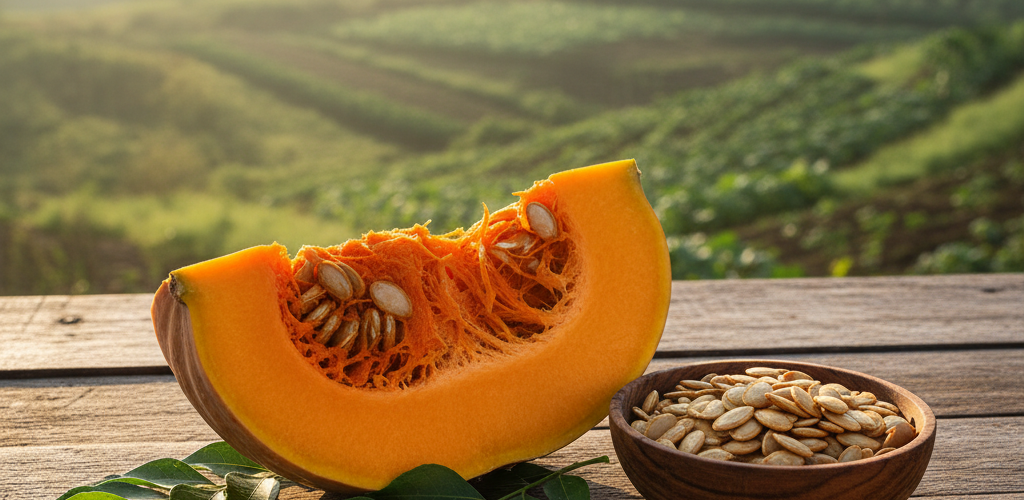
Don’t throw away the seeds! Pumpkin seeds (Wattakka Beeja) are particularly rich in magnesium. Low magnesium levels are often seen in people with insulin resistance. Adding roasted pumpkin seeds to your salads or snacking on them can provide a crunchy way to improve your metabolic health.
9. Muscle Recovery and Electrolyte Replenishment
For the active Sri Lankan—whether you are trekking the hills of Nuwara Eliya or working out in a gym—pumpkin is an excellent post-workout food. It contains more potassium than a banana. Potassium is an electrolyte that helps muscles recover after exercise and prevents cramping.
After a long day of physical activity, a bowl of pumpkin soup can help replenish the minerals lost through sweat, ensuring your muscles remain supple and your energy levels stay consistent.
10. Culinary Versatility: From Savory to Sweet
The final reason to love pumpkin is how easy it is to add to your diet. In Sri Lankan households, the Wattakka Kalu Pol Maluwa (dark roasted coconut curry) is a masterpiece of flavor. The sweetness of the pumpkin balances the smoky, charred coconut and the heat of the chili.
However, you can also explore other ways to enjoy this vegetable:
- Pumpkin Soup: Blended with ginger and coconut milk for a warming evening meal.
- Roasted Pumpkin: Tossed with a bit of olive oil and salt for a simple side dish.
- Pumpkin Mash: A healthier alternative to mashed potatoes.
- Pumpkin Smoothies: Adding a spoonful of cooked pumpkin puree to your morning smoothie for a fiber boost.
The Importance of Organic Sourcing
To truly reap these ten benefits, the quality of the produce matters. Conventional farming often uses heavy pesticides that can linger in the thick skin of the pumpkin. By opting for organic pumpkin, you are ensuring that you aren’t consuming harmful residues along with your vitamins.
The produce sourced from Nuwara Eliya is famous for its quality. The high altitude and traditional farming techniques used by local farmers produce vegetables that are bursting with life. When you order through NunuFresh, you are supporting these local farmers while getting the freshest, most nutrient-dense Wattakka available in Sri Lanka.
Conclusion
Pumpkin is more than just a humble vegetable; it is a nutritional powerhouse that supports your eyes, heart, skin, and immune system. Its rich history in Sri Lankan agriculture and its incredible versatility in the kitchen make it an essential part of a healthy diet. Whether you are cooking for growing children or looking to improve your own wellness, the golden flesh of the Wattakka is a gift that keeps on giving.
Ready to experience the difference of farm-fresh, organic produce? Explore the selection at NunuFresh today and bring the best of Nuwara Eliya’s harvests directly to your kitchen. Your journey to a healthier lifestyle starts with the right ingredients!