No products in the cart.
Why Choose Organic Vegetables: Health & Environmental Benefits
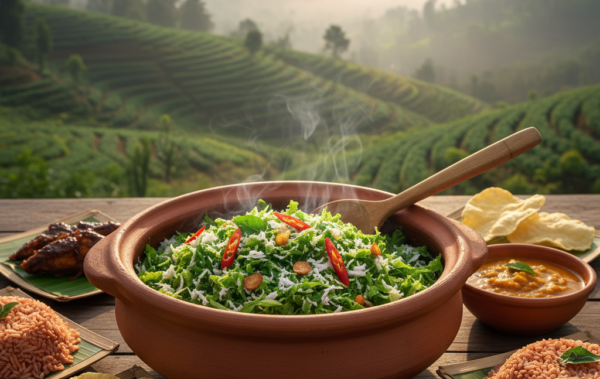
In recent years, the vibrant markets of Sri Lanka have seen a significant shift. More and more families from Colombo to Kandy are looking beyond the shine and size of vegetables, asking a deeper question: “How was this grown?” The rise of organic farming is not just a passing trend; it is a return to our roots and a conscious choice for a healthier future. Choosing organic vegetables is a powerful decision that impacts your body, your family’s well-being, and the very soil of our beautiful island.
What Does “Organic” Really Mean?
At its core, organic farming is a method of crop production that involves much more than just choosing not to use pesticides. It is a holistic system designed to optimize the productivity and fitness of diverse communities within the agro-ecosystem, including soil organisms, plants, livestock, and people. In the context of Sri Lankan agriculture, particularly in the fertile highlands of Nuwara Eliya, organic farming means working with nature rather than against it.
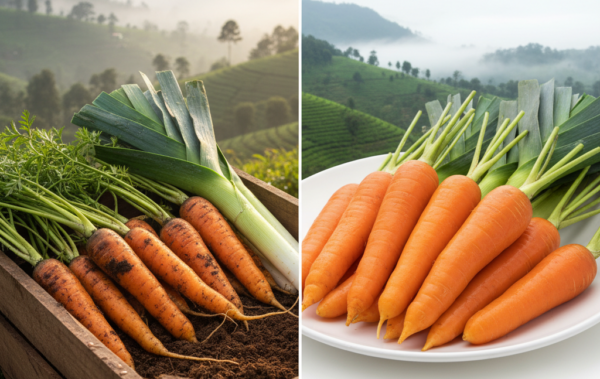
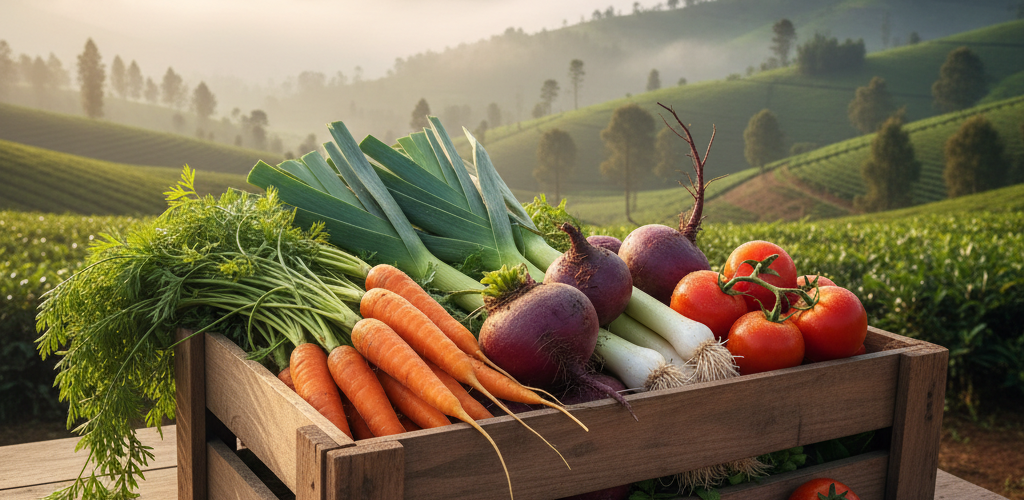
Organic vegetables are grown without the use of synthetic fertilizers, chemical pesticides, or genetically modified organisms (GMOs). Instead, farmers rely on crop rotation, green manure, composting, and biological pest control to maintain soil health and grow resilient produce. When you see a leafy cabbage or a bundle of carrots from an organic farm, you are seeing a product of patience and ecological balance.
The Direct Health Benefits of Organic Produce
The most immediate reason many Sri Lankan households switch to organic is health. Our bodies are designed to process natural nutrients, not residual chemicals. Here is how organic vegetables make a difference:
1. Reduced Exposure to Harmful Pesticides
Conventional farming often relies heavily on synthetic pesticides and herbicides to keep insects and weeds at bay. Unfortunately, residues of these chemicals can remain on the produce even after washing. Long-term exposure to these residues has been linked by various health organizations to various health issues, including hormonal imbalances and respiratory problems. By choosing organic, you significantly reduce the ‘toxic load’ your body has to process daily.
2. Higher Nutrient Density
Research, including a landmark study by Newcastle University, has shown that organic crops can contain up to 69% more key antioxidants than conventionally grown ones. These antioxidants are vital for boosting the immune system and protecting cells from damage. Because organic vegetables like those sourced through NunuFresh are grown in nutrient-rich, living soil, they often have higher levels of Vitamin C, Iron, and Magnesium compared to mass-produced alternatives.
3. No Synthetic Additives or GMOs
Organic standards strictly prohibit the use of artificial preservatives, colors, or flavor enhancers during the growing and handling process. Furthermore, organic means non-GMO. In a world where food is increasingly engineered, organic vegetables offer the peace of mind that you are eating food exactly as nature intended.
4. Better Taste and Natural Flavor
Ask any grandmother in Nuwara Eliya, and she will tell you: a naturally grown carrot tastes different. It is sweeter, crunchier, and more ‘earthy.’ Because organic vegetables are not pumped with nitrogen fertilizers to grow unnaturally fast, they have a lower water content and a higher concentration of sugars and minerals, leading to a much richer flavor profile that enhances every Sri Lankan curry or salad.
Environmental Benefits: Protecting the Pearl of the Indian Ocean
The benefits of organic farming extend far beyond the dinner table. In a country as ecologically diverse as Sri Lanka, the way we farm determines the health of our environment for generations to come.
1. Preserving Soil Health and Fertility
The soil in the Nuwara Eliya hills is some of the most productive in the country, but conventional farming with heavy chemicals can lead to soil erosion and nutrient depletion. Organic farming practices, such as composting and mulching, build up the organic matter in the soil. This creates a ‘living’ soil that is better at retaining water and resisting erosion, ensuring that our highlands remain fertile for decades.
2. Safeguarding Our Water Sources
Sri Lanka’s central highlands are the source of most of our major rivers. When synthetic fertilizers and pesticides are used in conventional farming, the runoff often finds its way into these water systems. This can lead to water pollution that affects both wildlife and the communities downstream. Organic farming eliminates this chemical runoff, keeping our mountain springs and rivers clean and safe.
3. Supporting Biodiversity
Organic farms are often buzzing with life. By avoiding toxic sprays, organic farmers allow bees, butterflies, birds, and beneficial soil microbes to thrive. This biodiversity is essential for pollination and natural pest control. When you support organic agriculture, you are helping to preserve the unique flora and fauna that make Sri Lanka a global biodiversity hotspot.
Why Nuwara Eliya Produce is Special
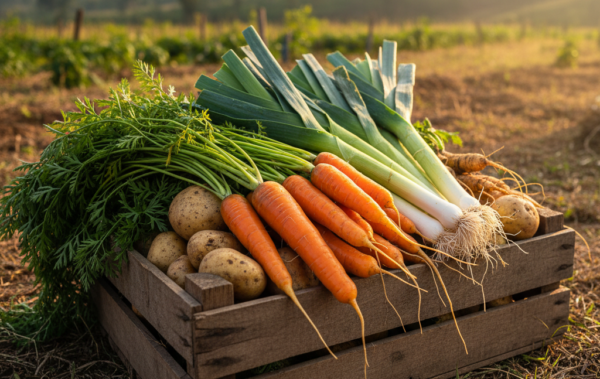
Nuwara Eliya, often called ‘Little England,’ possesses a unique microclimate. The cool temperatures and high altitude are perfect for ‘up-country’ vegetables like leeks, beets, cauliflower, and strawberries. However, the steep terrain also makes the environment fragile. Organic farming in this region is particularly impactful because it prevents the degradation of the hillsides. When you buy organic produce from this region, you are supporting a sustainable model of mountain agriculture that protects the iconic landscape of the tea country.
The Economic Impact: Supporting Local Farmers
Choosing organic is also a choice to support the local economy. Organic farming is often more labor-intensive than conventional farming, requiring more hands-on care for the crops. By paying a fair price for organic produce, you are directly supporting the livelihoods of Sri Lankan farmers who are committed to sustainable practices. This helps keep rural communities vibrant and ensures that traditional farming knowledge is passed down to the next generation.
Making the Transition: How to Start Eating Organic
Switching to a 100% organic diet overnight can feel overwhelming, but it doesn’t have to be. Here are a few tips for Sri Lankan families:
- Start with the ‘Dirty Dozen’: Focus on buying organic versions of vegetables that typically have the highest pesticide loads, such as leafy greens (Gotukola, Mukunuwenna), bell peppers, and tomatoes.
- Shop Seasonally: Organic produce is best when it is in season. Not only is it more affordable, but it is also at its peak nutritional value.
- Know Your Source: The best way to ensure you are getting genuine organic produce is to know where it comes from. Platforms like NunuFresh bridge the gap between the high-country farms and your kitchen, ensuring that the produce is fresh and grown with care.
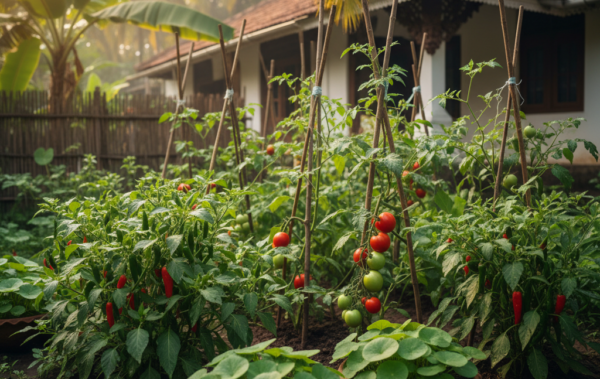
- Grow Your Own: Even a small balcony in Colombo can host a few pots of organic chilies or herbs!
Conclusion
Choosing organic vegetables is an investment. It is an investment in your health, reducing the risk of disease and fueling your body with the best nutrients. It is an investment in the environment, protecting Sri Lanka’s water, soil, and wildlife. And finally, it is an investment in our local farming communities.
As we become more conscious of what we put on our plates, the choice becomes clear. Organic is not just about what is missing (the chemicals); it is about what is present—the flavor, the nutrition, and the integrity of the land. By making the switch, even one vegetable at a time, you are contributing to a healthier, greener Sri Lanka.
Ready to taste the difference of farm-fresh, organic produce? Explore the wide selection of sustainably grown vegetables at NunuFresh. We deliver the best of Nuwara Eliya’s harvests directly to your doorstep, ensuring your family enjoys the highest quality organic produce Sri Lanka has to offer.