No products in the cart.
How to Wash and Store Organic Vegetables for Lasting Freshness
The Journey from Nuwara Eliya to Your Kitchen
In the mist-covered highlands of Nuwara Eliya, often referred to as Sri Lanka’s ‘Little England,’ the soil is rich, and the air is crisp. This unique microclimate is the birthplace of some of the finest organic produce in the world. When you choose organic vegetables, you are not just buying food; you are investing in your family’s health and supporting sustainable farming practices that protect our beautiful island’s ecosystem. However, because organic produce is grown without synthetic waxes or chemical preservatives, it requires a little extra care to maintain its peak nutritional value and crunch. At NunuFresh, we believe that the journey doesn’t end when the delivery reaches your doorstep. Proper handling at home is the final step in the farm-to-table process.
Why Organic Produce Requires Special Care
Conventional vegetables often undergo post-harvest treatments, including synthetic fungicide sprays and paraffin wax coatings, to extend their shelf life during long transport routes. Organic vegetables, like the ones sourced directly from Nuwara Eliya farms by NunuFresh, are harvested at peak ripeness and delivered without these artificial barriers. While this means they are safer and more flavorful, it also means they are more ‘alive’—they breathe and lose moisture faster. Statistics from agricultural studies in Sri Lanka suggest that nearly 30% of fresh produce is wasted at the consumer level due to improper storage. By mastering a few simple techniques, you can drastically reduce food waste and ensure your family gets the maximum vitamin intake from every bite.
The Golden Rule: To Wash or Not to Wash?
One of the most common questions Sri Lankan home cooks ask is: “Should I wash my vegetables as soon as they arrive?”
The short answer is: No. Moisture is the primary enemy of shelf life. Washing vegetables before storing them can promote the growth of mold and bacteria, especially in the humid climate of coastal Sri Lanka. It is always best to wash your organic produce immediately before you intend to cook or eat it. If your vegetables arrive with visible soil—which is common with fresh-pulled organic carrots or leeks from Nuwara Eliya—simply brush off the excess dirt with a dry cloth or paper towel before placing them in the refrigerator.
How to Properly Wash Organic Vegetables
When you are ready to prepare your meal, follow these steps to ensure your produce is clean while preserving its integrity:
- The Cold Water Rinse: Most vegetables only need a thorough rinse under cold, running water. Avoid using soaps or commercial detergents, as organic produce is porous and can absorb these chemicals.
- The Vinegar Soak: For leafy greens or broccoli, a solution of 1 part white vinegar to 3 parts water can help remove any tiny insects or natural debris. Soak for 2-3 minutes, then rinse with plain water.
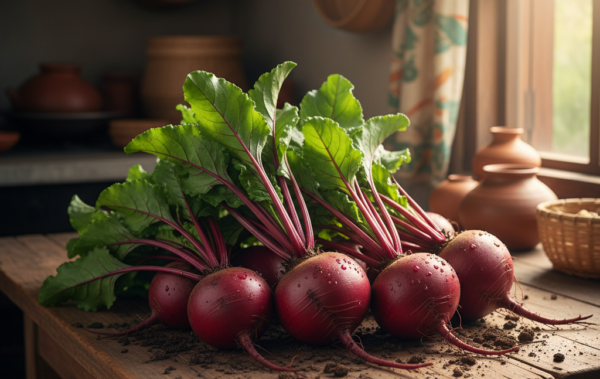
- Scrubbing Root Veggies: Use a dedicated vegetable brush for potatoes, carrots, and beetroots. Since these grow directly in the nutrient-dense Nuwara Eliya soil, a gentle scrub ensures you remove all earth while keeping the nutrient-rich skin intact.
Mastering the Art of Storage
Effective storage is about three things: temperature, humidity, and airflow. Different vegetables have different personalities, and understanding these needs will keep your kitchen stock fresh for a week or more.
The Importance of Humidity Control
Most modern refrigerators in Sri Lanka come with ‘Crisper’ drawers. These are designed to control airflow. For organic leafy greens (like Gotukola or Spinach), keep the vent closed to trap humidity. For fruits and vegetables that rot easily, open the vent to allow gas to escape.
Ethylene Gas: The Silent Ripener
Some vegetables and fruits emit ethylene gas as they ripen. This gas can cause neighboring vegetables to spoil prematurely. To keep your organic bounty fresh, never store ethylene producers (like tomatoes and bananas) in the same drawer as ethylene-sensitive greens (like lettuce, broccoli, and leeks).
Specific Storage Guide for Nuwara Eliya Staples
Since NunuFresh specializes in the cool-climate produce of the central highlands, here is how to handle the most popular items:
1. Carrots and Beetroots
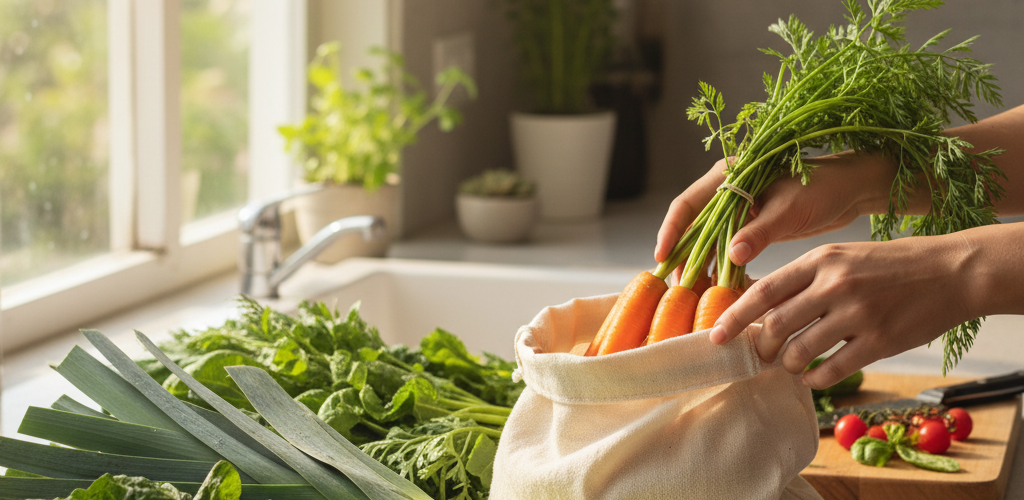
If your carrots arrive with their green leafy tops still attached, cut them off immediately. The tops draw moisture away from the root, causing the carrot to go limp. Store the roots in a reusable silicone bag or a damp cloth in the fridge. They can stay crunchy for up to two weeks!
2. Nuwara Eliya Leeks
Leeks are a staple of Sri Lankan cooking. To store, keep them whole and unwashed in a plastic-free wrap in the crisper drawer. If they are very long, you can trim the dark green tops slightly to make them fit, but do not cut into the white bulb until you are ready to cook.
3. Potatoes
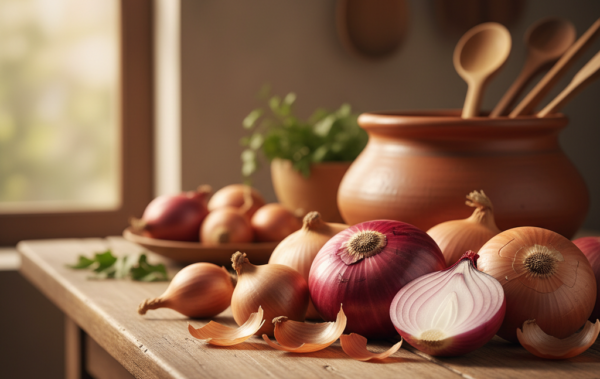
Never put organic potatoes in the fridge! The cold temperature converts their starch into sugar, changing their flavor and texture. Instead, store them in a cool, dark, and well-ventilated place—like a wicker basket in a kitchen cupboard. Keep them away from onions, as onions will cause potatoes to sprout faster.
4. Leafy Greens (The Paper Towel Trick)
For organic salad leaves or traditional Sri Lankan greens, the best method is to place them in a container lined with a dry paper towel or a thin cotton cloth. The cloth absorbs excess moisture while keeping the leaves hydrated enough to stay crisp.
Sustainable Habits for a Healthy Home
Transitioning to an organic lifestyle is about more than just the food; it is about a mindset of mindfulness. When you source from NunuFresh, you are receiving produce that hasn’t spent weeks in cold storage or on a ship. This inherent freshness gives you a head start. By spending just ten minutes organizing your vegetables when they arrive, you honor the hard work of the farmers in Nuwara Eliya and ensure your family consumes the highest quality nutrients available in Sri Lanka.
Conclusion
Keeping organic vegetables fresh doesn’t require expensive gadgets; it requires a little bit of knowledge and the right habits. By managing moisture, understanding ethylene gas, and respecting the specific needs of each vegetable, you can enjoy the ‘just-picked’ taste of Nuwara Eliya produce every day of the week. Remember, the fresher the vegetable, the higher the nutrient density, and the better the flavor of your home-cooked meals.
Ready to experience the difference of truly fresh, farm-direct produce? Explore the wide selection of organic vegetables at NunuFresh today and bring the goodness of the Nuwara Eliya highlands straight to your dinner table.