No products in the cart.
Quick Sri Lankan Okra Curry Recipe with Fresh Organic Produce
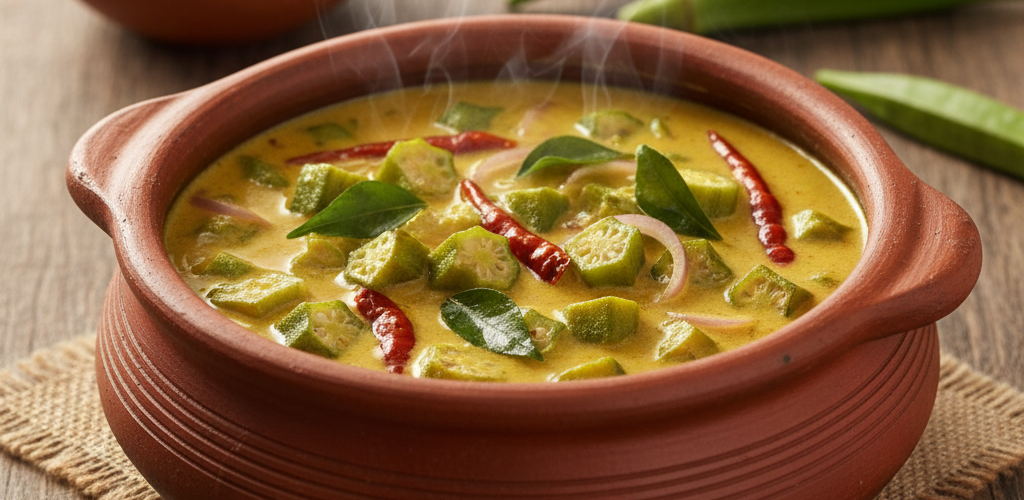
The Heart of Sri Lankan Home Cooking: The Humble Okra
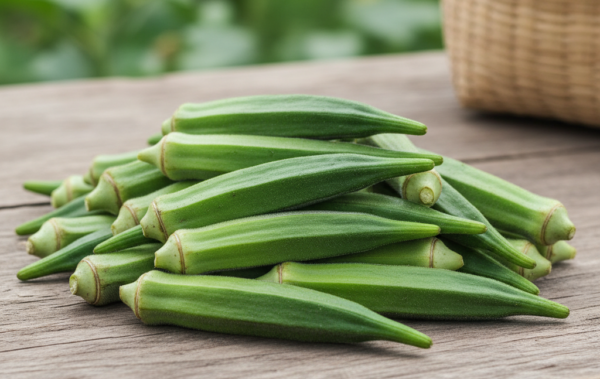
In every Sri Lankan household, the aroma of tempering spices and coconut milk is a daily comfort. Among the many vegetables that grace our tables, okra—known locally as Bandakka—holds a special place. Whether it is served as a crispy ‘theldala’ (sautéed) or a creamy ‘kiri hodi’ (white curry), okra is a versatile powerhouse of nutrition. But as any seasoned home cook will tell you, the secret to a truly spectacular okra curry doesn’t just lie in the spices; it begins with the quality of the produce.
When you use organic okra, harvested at the peak of freshness from the misty hills of Nuwara Eliya and delivered straight to your kitchen via platforms like NunuFresh, the difference is unmistakable. The vegetable retains its vibrant green hue, its snap, and its natural sweetness, elevating a simple weekday meal into a gourmet experience. In this guide, we will explore a quick, foolproof recipe for a Sri Lankan Okra Curry while diving into why organic farming in regions like Nuwara Eliya is changing the way we eat.
Why Organic Produce Matters for Your Family
Sri Lanka has a long-standing agricultural heritage, and in recent years, there has been a significant shift back toward organic practices. Choosing organic okra means you are avoiding synthetic pesticides and chemical fertilizers that are common in industrial farming. According to agricultural experts, organic vegetables often contain higher levels of antioxidants and essential minerals because the soil in which they are grown is nourished naturally.
Nuwara Eliya, often called ‘Little England’ due to its cool climate and high altitude, provides the perfect environment for high-quality produce. The rich, loamy soil and the natural rainfall of the central highlands result in vegetables that are sturdier and more nutrient-dense. When you source your produce from these regions through NunuFresh, you aren’t just buying groceries; you are supporting a sustainable ecosystem that prioritizes the health of the land and the consumer.
The Secret to Non-Slimy Okra Curry
The most common complaint about cooking okra is its ‘slimy’ texture, caused by mucilage. While this mucilage is actually great for digestion, many prefer a cleaner bite in their curry. Here are three professional tips to ensure your Sri Lankan Okra Curry is perfect every time:
- Dry Thoroughly: After washing your okra, ensure every pod is completely dry before cutting. Moisture on the surface during slicing triggers the release of more mucilage.
- The Acid Trick: Adding an acidic component like lime juice, tamarind, or goraka (Garcinia cambogia) during the cooking process helps break down the sliminess.
- High Heat Searing: Lightly frying or searing the okra pieces in a bit of oil before adding the coconut milk ‘locks in’ the texture.
Quick Sri Lankan Okra Curry Recipe
This recipe is designed for busy families who want a nutritious, traditional meal in under 20 minutes. It pairs beautifully with steamed red rice, a simple dhal curry, and a spicy pol sambol.
Ingredients
- 250g Fresh Organic Okra (Bandakka)
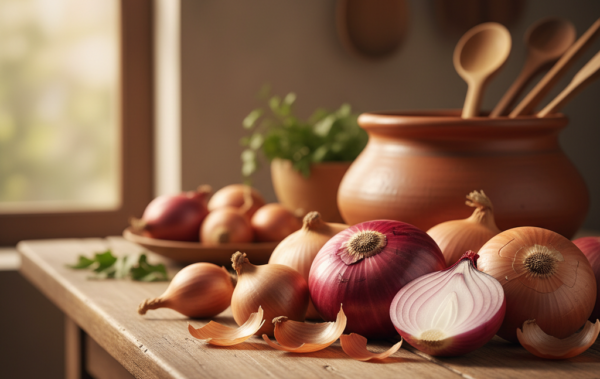
- 1 Medium Red Onion, finely sliced
- 2 Green Chilies, slit lengthwise
- 1/2 teaspoon Turmeric powder
- 1 teaspoon Unroasted Curry Powder
- 1/2 teaspoon Fenugreek seeds (Ulu Hal)
- A sprig of Curry Leaves (Karapincha)
- A 2-inch piece of Pandan leaf (Rampe)
- 1 cup Thick Coconut Milk
- 1/2 teaspoon Mustard seeds
- 1 tablespoon Coconut Oil
- Salt to taste
- A squeeze of fresh Lime juice
Step-by-Step Instructions
Step 1: Preparation
Wash the organic okra under cold running water. Pat them dry with a clean kitchen towel. Trim the ends and slice the okra into 1-inch diagonal pieces. Slicing on a diagonal provides more surface area for the spices to penetrate while keeping the piece sturdy.
Step 2: The Tempering (The ‘Themparaduwa’)
Heat the coconut oil in a clay pot (preferred for authentic flavor) or a non-stick pan over medium heat. Add the mustard seeds. Once they begin to splutter, add the sliced onions, curry leaves, pandan leaf, and green chilies. Sauté until the onions turn translucent and fragrant.
Step 3: Searing the Okra
Add the sliced okra to the pan. Turn up the heat slightly and stir-fry for 3-4 minutes. This step is crucial for removing the sliminess. You want the okra to turn a deep, bright green with slightly charred edges.
Step 4: Adding Spices and Liquid
Lower the heat and stir in the turmeric, unroasted curry powder, and fenugreek seeds. Mix well so the okra is coated in the golden spices. Pour in half a cup of water (or thin coconut milk) and add salt. Cover and simmer for 5 minutes until the okra is tender but not mushy.
Step 5: The Creamy Finish
Pour in the thick coconut milk. Stir gently and let it simmer for another 2-3 minutes. Do not let the curry come to a rolling boil after adding the thick milk, as it may curdle. Taste and adjust salt. Finally, turn off the heat and squeeze in the fresh lime juice. The lime adds a zesty brightness that cuts through the richness of the coconut milk.
Nutritional Profile of Okra
Beyond its delicious taste, okra is a nutritional powerhouse. For Sri Lankan families looking to maintain a balanced diet, okra offers:
- High Fiber Content: Supports digestive health and helps manage blood sugar levels.
- Vitamin C and K: Essential for immune function and bone health.
- Antioxidants: Contains polyphenols that help fight oxidative stress in the body.
- Folate: Crucial for pregnant women and overall cell repair.
By choosing organic produce, you ensure that these nutrients are not overshadowed by chemical residues, providing the purest form of nourishment for your children and elderly family members.
The Farm-to-Table Journey in Sri Lanka
In the past, getting ‘farm-fresh’ produce in Colombo or other urban areas meant waiting for the weekly village fair or settling for supermarket shelves where vegetables may have sat for days. Today, the landscape is changing. The journey of an okra pod from a hillside farm in Nuwara Eliya to a kitchen in a bustling suburb is now shorter than ever.
Direct sourcing models used by NunuFresh ensure that farmers receive a fair price for their organic efforts while consumers receive produce that was literally in the ground 24 to 48 hours prior. This efficiency reduces food waste and ensures that the ‘Prana’ (life force) of the food is preserved. When you cook with ingredients that have been handled with care, you can taste the difference in every spoonful of curry.
Serving Suggestions and Variations
While this white curry is a classic, you can vary the recipe by adding a teaspoon of chili pieces (ale kalla) if you prefer a ‘dry’ spicy version. For a festive meal, pair your Okra Curry with:
- Heirloom Red Rice: For a nutty flavor and high iron content.
- Fried Fish or Soya Meat: To add a protein punch.
- Gotukola Sambol: For a fresh, leafy crunch that balances the creamy curry.
Sri Lankan cuisine is built on the balance of the six tastes, and this okra curry provides the perfect ‘sweet’ and ‘creamy’ notes to complete your plate.
Conclusion: Freshness is the Best Ingredient
Cooking a healthy, delicious meal for your family shouldn’t be a chore. By starting with high-quality, organic ingredients, half the work is already done. This quick Sri Lankan Okra Curry recipe highlights the natural beauty of the vegetable while honoring traditional flavors. As we become more conscious of what we put into our bodies, sourcing from trusted local providers becomes essential.
Ready to taste the difference of true farm-to-table freshness? Explore the wide selection of fresh organic produce at NunuFresh and bring the authentic flavors of Nuwara Eliya farms directly to your doorstep. From vibrant okra to crisp carrots and leafy greens, we make healthy living easy and delicious for every Sri Lankan home.