No products in the cart.
The Future of Organic Farming in Sri Lanka: A Green Revolution
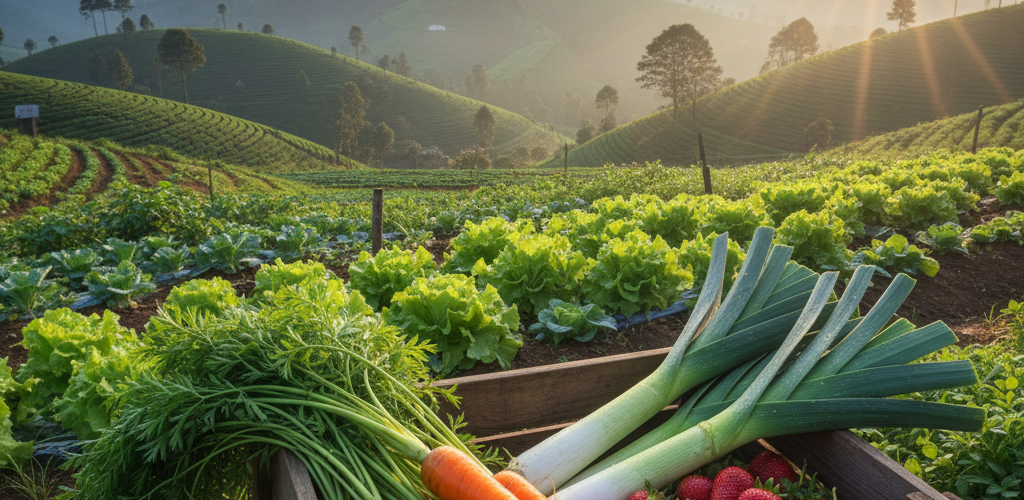
As the sun rises over the misty peaks of Nuwara Eliya, the landscape is more than just a breathtaking vista; it is the heartbeat of a growing movement. In recent years, Sri Lanka has found itself at a crossroads of tradition and transformation. The shift toward organic farming is no longer just a niche trend for the health-conscious few—it has become a national priority and a vision for a healthier, more sustainable future for every Sri Lankan family.
The Current Landscape of Organic Agriculture in Sri Lanka
Today, Sri Lanka stands as a significant player in the global organic market. Recent data from the Export Development Board (EDB) indicates that the organic sector contributes over $0.5 billion annually to the national economy. With more than 12,000 certified organic producers and over 70,000 hectares of land dedicated to organic cultivation, the island is slowly reclaiming its heritage as the “Granary of the East,” but with a modern, toxic-free twist.
While much of this produce—ranging from high-quality Ceylon tea to exotic spices and coconut products—is destined for international markets like the EU and the United States, a powerful shift is happening at home. Sri Lankan families are increasingly seeking out produce that is free from synthetic pesticides and chemical fertilizers, driven by a growing awareness of the long-term health impacts of conventional farming.
Why Nuwara Eliya is the Heart of the Organic Movement
Nuwara Eliya, often called “Little England,” offers a unique microclimate that is indispensable to our agricultural future. The cool temperatures, high humidity, and Red-Yellow Podzolic soil provide the perfect conditions for “up-country” vegetables that simply cannot thrive elsewhere on the island.
The Soil Advantage
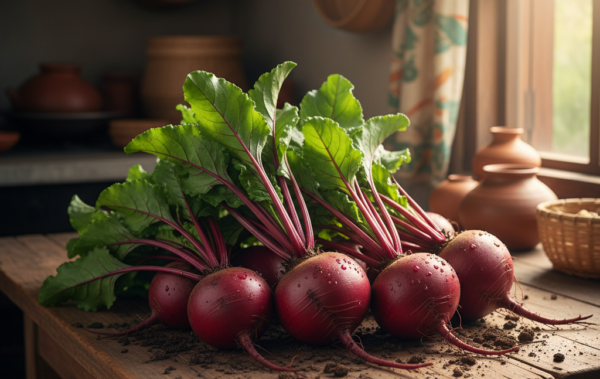
The soil in the central highlands is naturally high in organic matter. In organic farming, the goal is to nourish the soil so the soil can nourish the plant. By using composting, crop rotation, and green manure, farmers in Nuwara Eliya are able to maintain soil fertility without the need for harsh chemicals. This results in vegetables like carrots, leeks, and potatoes that are not only safer to eat but often more flavorful and nutrient-dense.
Climate-Resilient Crops
Organic practices help build resilient ecosystems. In Nuwara Eliya, where hilly terrain makes land vulnerable to erosion, organic farming methods like terracing and intercropping help preserve the landscape. These sustainable practices ensure that the farms providing our food today will still be fertile for our children and grandchildren.
The Health Benefits for Sri Lankan Families
For the average Sri Lankan household, the choice to go organic is deeply personal. It is about the safety of the food we put on our children’s plates. Conventional farming often relies on a heavy cocktail of synthetic inputs to combat pests and boost yields in the short term. However, the long-term presence of these chemical residues in our diet is a growing concern.
- Lower Toxin Exposure: Organic produce is grown without synthetic pesticides, significantly reducing the risk of chemical ingestion.
- Higher Nutrient Density: Studies often show that organic crops contain higher levels of antioxidants and essential vitamins compared to their conventional counterparts.
- Authentic Flavor: There is a noticeable difference in the taste of a carrot or a strawberry grown in the rich, organic soil of Nuwara Eliya. The flavors are more concentrated and “true” to the vegetable.
This is where NunuFresh plays a vital role. By bridging the gap between the dedicated farmers of the highlands and the bustling kitchens of Colombo and beyond, NunuFresh ensures that this high-quality produce is accessible to families who prioritize health without having to travel to the mountains themselves.
Innovations Shaping the Future
The future of organic farming in Sri Lanka is being written with a blend of ancient wisdom and modern technology. We are seeing a rise in “precision agriculture,” where data is used to monitor soil health and water usage, ensuring that every resource is used efficiently.
Traceability and Transparency
One of the biggest hurdles in the organic market is trust. How do you know that the “organic” leek you bought is truly chemical-free? The future lies in traceability. Digital platforms are now allowing consumers to trace their produce back to the very farm where it was harvested. This level of transparency builds a bond between the farmer and the consumer, a relationship that NunuFresh champions through its direct-from-farm subscription model.
Bio-Pesticides and Natural Fertilizers
Innovation isn’t just about apps and websites; it’s about biology. Sri Lankan researchers are developing more effective bio-pesticides and organic fertilizers derived from local botanical sources. This reduces our dependence on expensive, imported chemicals and supports a circular economy within our own borders.
Challenges on the Horizon
Despite the optimism, the path forward is not without its obstacles. Transitioning from conventional to organic farming can lead to temporary yield drops, which can be financially straining for smallholder farmers. Furthermore, the cost of international organic certification is often prohibitive for individual growers.
However, the government’s recent efforts to align the National Organic Standard (SLS 1324:2018) with international regulations are a step in the right direction. By creating a robust legal framework and providing better support for organic cooperatives, Sri Lanka can lower the barriers to entry for farmers and make organic food more affordable for everyone.
The Economic Impact: Beyond the Farm
Organic farming is a catalyst for rural development. It encourages the preservation of traditional seed varieties and empowers local communities. When you choose organic produce from Nuwara Eliya, you are not just buying a vegetable; you are supporting a farmer who has chosen a harder, more ethical path to protect the environment and our health. The economic ripple effect supports local transport, packaging, and technology sectors, creating a more resilient national economy.
Conclusion: A Greener Path Forward
The future of organic farming in Sri Lanka is bright, driven by a collective desire for wellness and sustainability. As we look ahead to 2026 and beyond, the integration of technology, supportive policies, and a passionate community of farmers and consumers will define our success. By choosing to support organic initiatives, we are investing in the health of our families and the purity of our island’s soil.
It is a journey we are all a part of—from the farmer tilling the earth in the cool mists of the highlands to the family enjoying a fresh, vibrant salad at home. Together, we are cultivating a future that is green, healthy, and uniquely Sri Lankan.
Ready to bring the fresh, organic goodness of Nuwara Eliya into your home? Explore our selection of hand-picked, farm-fresh produce and join our growing community of health-conscious families today.